Trail Running Shoes for Hiking: The Complete Guide
Trail running shoes for hiking: when they beat boots, which models to buy, and how to match shoe type to your terrain and foot shape.

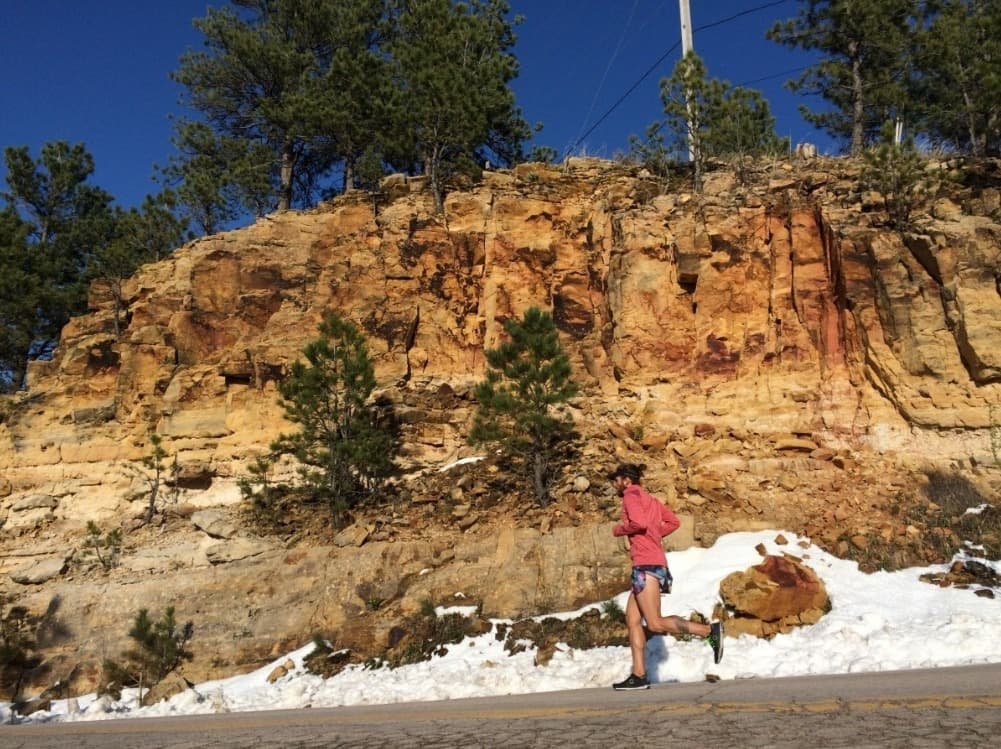
Trail running shoes for hiking have gone from a niche preference to a mainstream choice among long-distance walkers, thru-hikers, and anyone who wants to cover ground efficiently. The Appalachian Trail records and the PCT speed records, along with almost every major trail milestone set in the last decade, were set in trail runners, not boots.
That shift happened for good reasons. This guide explains what trail runners offer hikers, how they differ from hiking shoes and boots, which models are worth your money, and which type suits your specific feet and terrain.
Why Hikers Choose Trail Runners Over Boots
The case for trail runners starts with weight. Every 100g saved at the foot reduces energy expenditure by roughly the equivalent of 600g on your back, because your foot travels through the air with every stride. A lightweight trail runner at 280-320g per shoe compares with a leather hiking boot at 600-900g. Over a 25 km day, that difference adds up to thousands of steps of reduced effort.
Beyond weight, trail runners flex naturally through your foot's gait cycle. Rigid boots force your foot to work against the shoe; a flexible trail runner works with the natural mechanics of how your foot bends and pushes off. Many hikers report less foot fatigue over long days once they make the switch, particularly those moving from heavy, stiff leather boots.
Ground feel is the third advantage. Trail runners put you in closer contact with the terrain beneath you. You sense rocks, roots, and slope changes through the sole. This sounds like it should be uncomfortable, but in practice it improves balance and foot placement, reducing trips on technical surfaces. It takes a few walks to adjust if you're used to thick-soled boots, but most hikers adapt within 2-3 outings.
The trade-offs are real too. Trail runners offer less protection over the upper foot on very rocky terrain, less warmth in cold conditions, and most non-GTX versions don't resist sustained water crossings. If your hikes involve extended scrambling on sharp rock, carrying very heavy packs (18 kg+), or frequent river crossings in cold weather, boots may still make more sense for you.
Trail Runners vs Hiking Shoes: Key Differences
The line between trail running shoes and hiking shoes has blurred considerably, but several structural differences remain.
Drop. Drop is the height difference between the heel and the forefoot. Most hiking shoes sit at 10-14mm drop, which positions more weight on the heel and works well with a heel-strike walking gait. Trail runners range from 0mm (zero-drop, like Altra) to 8mm, which encourages a more natural midfoot strike. Lower drop places more demand on the calves and Achilles initially, so take it gradually if you're switching from high-drop footwear.
Stack height. Stack height is how much material sits between your foot and the ground. Hiking shoes prioritise cushioning and protection with high-stack midsoles. Trail runners range from minimal stacks (18-22mm) to maximalist stacks (35mm+, like Hoka). Lower stack means more ground feel but less protection from sharp rocks.
Lug depth. Trail running shoes typically use 3-5mm lugs for traction on loose dirt and soft terrain. Hiking shoes often use shallower, more closely spaced lugs designed for sustained grip on hard rock. On muddy trails, trail runner lugs clear better. On exposed granite, some hiking shoes have an edge.
Toe box shape. Trail runners increasingly use wider, foot-shaped toe boxes (especially Altra and Topo) that let your toes splay naturally. Many hiking shoes still use a tapered, boot-like toe box. For long days, a wider toe box reduces blisters and hot spots on the outer toes significantly.
Upper construction. Trail running uppers prioritise breathability and low weight. Hiking shoe uppers often use thicker materials with more reinforcement for durability and protection. On rocky singletrack, a thin trail runner upper can leave your foot more exposed to rock strikes and abrasion.
Best Trail Running Shoes for Hiking
These three models cover the majority of hikers' needs and have all proven themselves on long days on varied terrain.
Best Trail Running Shoes for Hiking
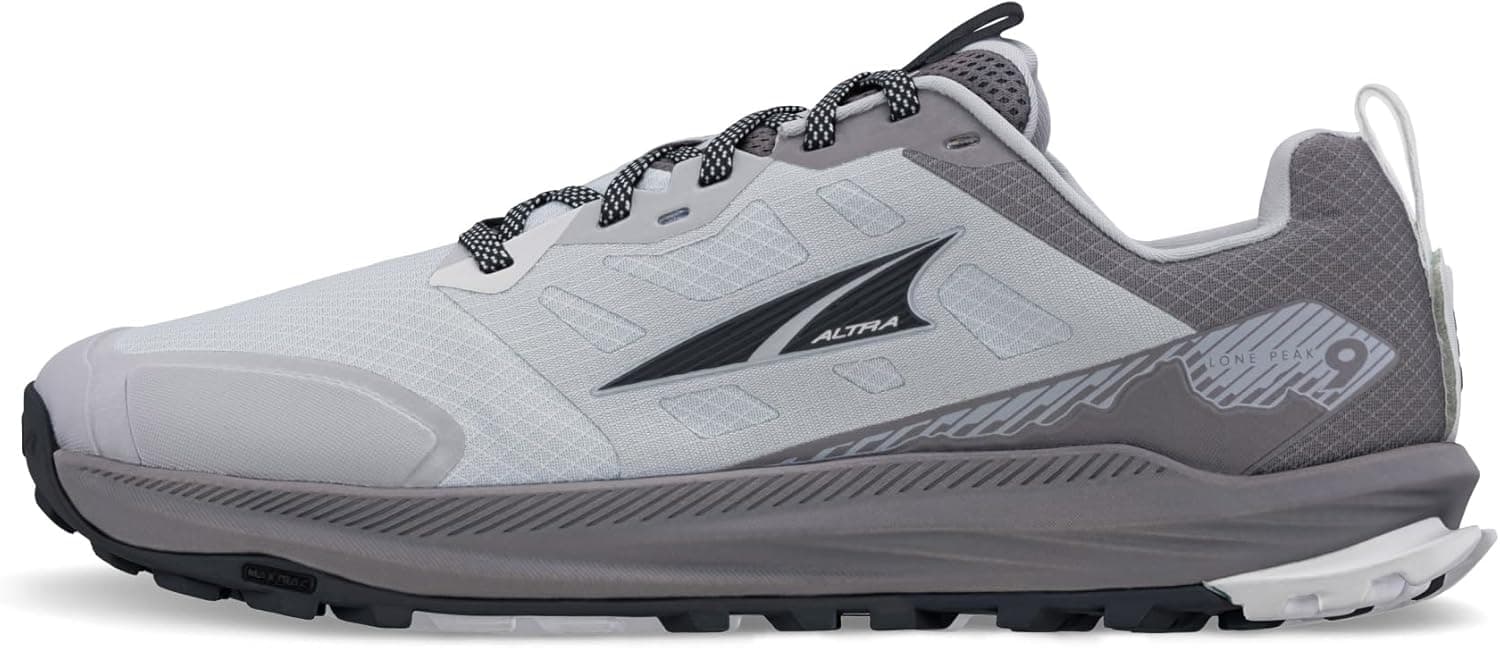
Altra Lone Peak 9
$140
?Estimated price — check latest price on Amazon
Best for wide feet, long-distance hiking, and zero-drop advocates
Pros
- ✓Zero-drop platform suits hikers with foot pain from heel-heavy footwear
- ✓Maximum Trail FootShape toe box: excellent for wide feet
- ✓28mm stack height with good rock protection
- ✓Durable Vibram Megagrip outsole
Cons
- ✕Zero-drop requires a break-in period if you're used to high-drop shoes
- ✕Softer midsole compresses faster than firmer options under heavy loads
- ✕Not ideal for very narrow feet
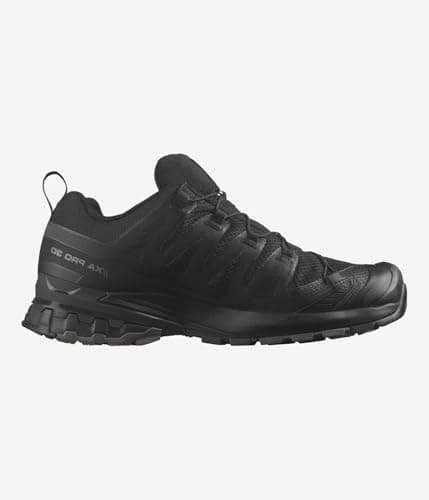
Salomon XA Pro 3D V9
$140
?Estimated price — check latest price on Amazon
Best all-round trail runner for technical terrain and varied conditions
Pros
- ✓Contagrip outsole grips wet rock and dry dirt equally well
- ✓Precise SensiFit upper locks the heel for descent confidence
- ✓11mm drop eases the transition from traditional hiking boots
- ✓Stable, protective chassis for rough ground
Cons
- ✕Narrower toe box than Altra or Topo
- ✕Less cushioning than maximalist options for very long days
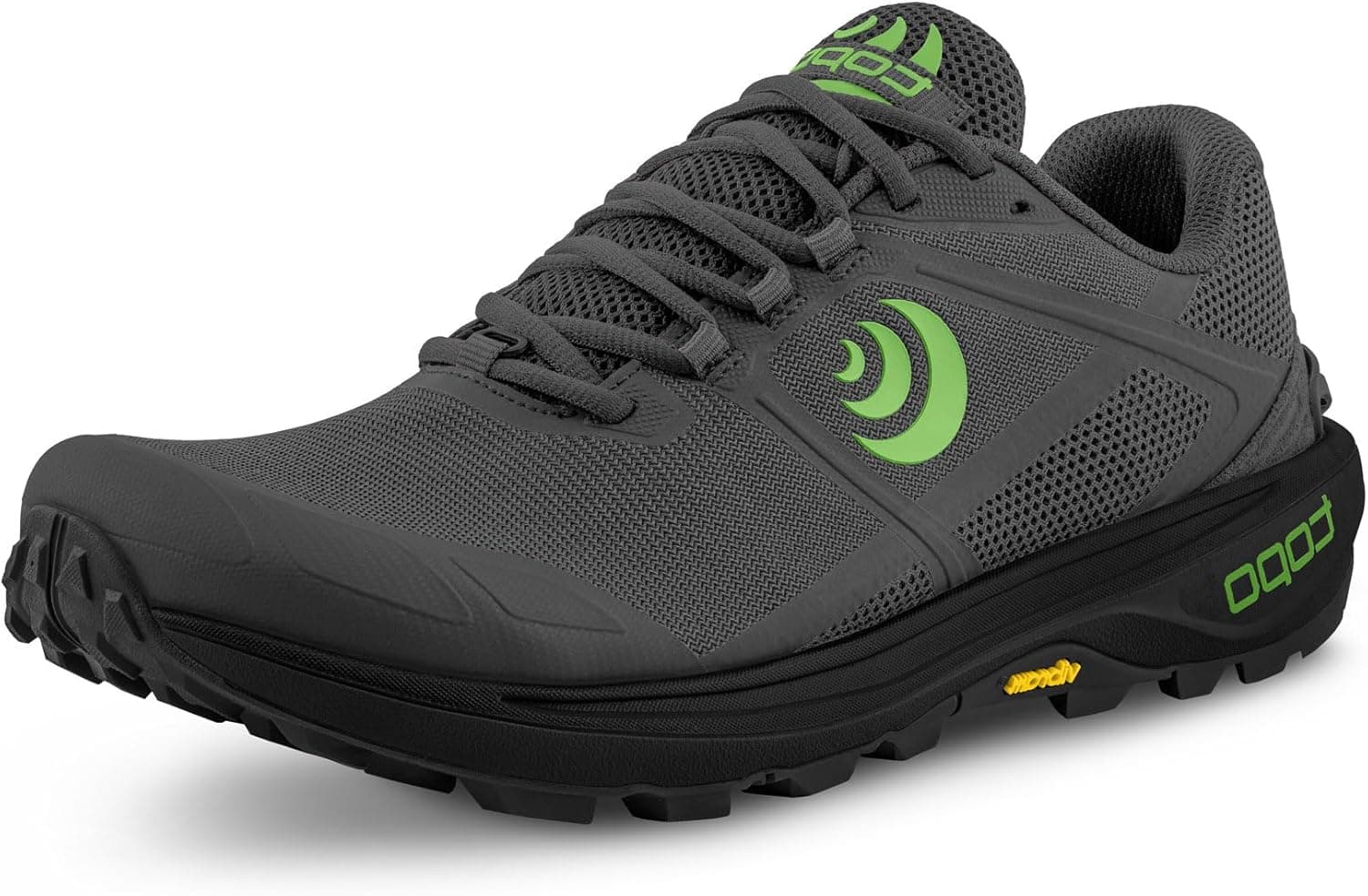
Topo Athletic Terraventure 4
Best for hikers wanting a wider toe box without committing to zero-drop
Pros
- ✓3mm drop splits the difference between zero-drop and traditional hiking shoes
- ✓Roomy toe box without going full zero-drop
- ✓Cushioned ride that holds up over long days
- ✓Vibram outsole with aggressive 4mm lugs
Cons
- ✕Less brand recognition means fewer local stockists for fitting
- ✕Less cushioning than Altra Lone Peak on very rocky terrain
Adidas Terrex Swift R3 GTX
$160
?Estimated price — check latest price on Amazon
Best waterproof trail runner for wet climates and river crossings
Pros
- ✓Gore-Tex waterproofing for reliable wet weather performance
- ✓Continental rubber outsole: exceptional wet rock grip
- ✓8mm drop, comfortable for most hiking gaits
- ✓More protection than pure trail runners on rocky terrain
Cons
- ✕GTX membrane reduces breathability in warm conditions
- ✕Heavier than non-waterproof equivalents at around 380g
Altra Lone Peak 9: The Hiker's Default
The Lone Peak has become the default trail runner recommendation for hikers, and for good reason. The foot-shaped toe box, 28mm stack, and Vibram Megagrip outsole address the three most important elements: comfort over long days, ground protection, and grip. The zero-drop platform is either its biggest selling point or its main caveat, depending on your foot and gait history.
Give yourself 3-4 shorter hikes to adapt before committing to a big day. Once adjusted, most hikers never go back to high-drop footwear. The Lone Peak 9 is the most refined version of the design yet, with a slightly firmer midsole than its predecessor and better upper durability.
Salomon XA Pro 3D: Technical Precision
If the Altra feels too wide or the zero-drop position is uncomfortable, the Salomon XA Pro 3D is the natural alternative. Salomon's SensiFit system wraps the midfoot firmly without pressure points, and the Contagrip outsole is genuinely one of the best all-terrain grips available at any price point. On wet rock in particular, it outperforms most competitors.
The 11mm drop and protective chassis transition easily from hiking boots, and the shoe runs true to size. For hikers who prioritise precision over cushioning, this is the pick. For a comparison with similar Salomon hiking shoes, see our Salomon vs Columbia guide and our roundup of the best Salomon hiking shoes.
Best for Wide Feet and Flat Feet
Foot shape varies enormously, and a hiking shoe that works for one person is agony for another. Wide feet and flat arches are the two most common causes of fit problems in trail footwear.
The Wide Foot Problem
Most trail running shoes use a tapered toe box that compresses the outer toes under load. After 5 km, this is mildly uncomfortable. After 20 km, it causes blisters, black toenails, and numbness. If you've experienced any of these, the shoe is too narrow, not your foot.
Altra builds every shoe on a foot-shaped last. The Lone Peak 9 and Altra Escalante 3 both have Maximum Trail FootShape toe boxes that leave room for natural toe splay. Topo Athletic uses a similar philosophy: the Terraventure 4 has a wide toe box while maintaining a 3mm drop and a conventional heel counter.
Flat Feet and Low Arches
Flat feet (fallen arches) respond differently to footwear than most guides suggest. Many people with flat feet do well in zero-drop shoes like the Altra Lone Peak because the low heel encourages foot muscles to work rather than relying on arch support. Others do better with stability elements.
The key distinction is between rigid flat feet and flexible flat feet. Flexible flat feet flatten under load but have some arch when unloaded. Zero-drop and neutral shoes often suit flexible flat feet. Rigid flat feet may benefit from a light stability shoe or a custom insole. If you're unsure, start with a neutral trail runner on shorter hikes before investing in specialised footwear. Our full breakdown of trail running shoes for overpronation covers stability options in detail.
Best for Ankle Support
Ankle support in footwear is a more complicated subject than most product descriptions let on. The research doesn't clearly support the idea that high-cut shoes prevent ankle sprains. A 2009 study in the British Journal of Sports Medicine found no significant difference in sprain rates between low-cut and high-cut footwear among soldiers doing the same terrain. Proprioception (your foot's ability to sense and respond to terrain) may matter more than collar height.
That said, mid-cut trail runners do add some protection and provide a psychological confidence boost on uncertain terrain, which is worth something. If you've had a previous ankle injury, are hiking very rocky ground, or simply feel more confident with ankle coverage, the Salomon X Ultra 5 Mid GTX is the natural step up from a low-cut shoe. It adds a supportive collar without the rigidity of a full boot.
For a detailed look at what the evidence actually says, our ankle support myth for hiking post goes through the research and what it means practically.
Barefoot and Minimalist Trail Runners
Minimalist trail running reduces the shoe to its minimum: thin sole, wide toe box, zero or near-zero drop, very low stack. The argument is that it strengthens foot muscles and returns your gait to a more natural pattern.
The Altra Escalante 3 (3mm stack above the insole) and similar minimal options work well for hikers who have gradually built foot strength over years. The transition from conventional footwear to true minimalist should take 6-12 months of progressive exposure. Going straight from hiking boots to a 3mm stack shoe almost always results in Achilles tendon pain or plantar fasciitis.
If you're interested in the minimalist route, the Altra Lone Peak 9 is actually a sensible middle ground: zero-drop but with a 28mm stack that provides protection while still encouraging a natural gait. Work to that first, then consider reducing stack if you want to go further.
Best for Ultra-Distance and Backpacking
Multi-day backpacking places different demands on footwear. You need durability over 300-500 km, not just lightness. You also need enough cushioning and protection to carry a loaded pack without foot fatigue building over successive days.
The Altra Lone Peak 9 has a strong reputation in this space. Thru-hikers on the PCT and AT report getting 600-800 km from a pair on well-maintained trails. The Salomon XA Pro 3D is similarly durable, partly because the Contagrip outsole wears slowly compared to softer rubber compounds used on some trail runners.
For genuine backpacking with packs above 15 kg, prioritise stack height and upper reinforcement over low weight. The Adidas Terrex Swift R3 GTX adds waterproofing and a more robust upper that holds up better under pack straps and river crossings, at the cost of 60-80g per shoe. For hikers considering full boots versus trail runners for loaded trips, our best cheap hiking shoes and boots guide covers the comparison at different price points.
Trail Running Shoe Brands: A Quick Guide
Salomon dominates technical trail running and hiking overlap footwear. Their SensiFit system, Contagrip outsoles, and quick-lace systems are consistently well-executed. The X Ultra series is their hiker-oriented line; Speedcross is more aggressive mud-focused running. Salomon runs narrow in the toe box.
Altra built their brand on zero-drop and foot-shaped lasts. If foot width and toe box space are your priority, no other mainstream brand matches them. The Lone Peak is their flagship trail/hiking model. Their road shoes (like the Escalante) also suit some hikers on easier terrain.
Hoka takes the opposite approach to Altra: maximalist cushioning, high stack heights, and a rockered sole geometry that rolls your foot through each stride. The Speedgoat 5 is their most popular trail shoe, excellent for long days on well-maintained trails. Hoka runs narrow in the toe but long in sizing. Our Hoka vs Salomon comparison shows how the two brands differ on real terrain.
Topo Athletic occupies the space between Altra and conventional trail runners: wide toe boxes without zero-drop, reasonable prices, and Vibram outsoles. Less brand recognition but consistently solid product. Worth trying if you find Altra too flat and conventional shoes too narrow.
La Sportiva focuses on technical mountain terrain. Their Bushido II and Akasha II are popular among hikers on rocky alpine trails where precision and grip on exposed rock matter more than cushioning. Runs narrow and sizes small.
Trail running shoes for hiking represent the best combination of weight, performance, and comfort for most recreational hikers. Start with the Salomon XA Pro 3D if you want an all-terrain shoe with a conventional fit, the Altra Lone Peak 9 if wide toe box and zero-drop appeal to you, or the Topo Terraventure 4 if you want the wide toe box without going fully flat. For the cheapest capable options, our best cheap trail running shoes guide covers what works under £100. For specific foot conditions, see our guides to trail runners for overpronation and trail runners for plantar fasciitis.
Last updated on June 21, 2026.

Jasper Baetens
Hiking enthusiast from Belgium, mainly active in Europe. Created HikeHeaven to share experiences, research, tips, tricks and product recommendations, or simply to help other hikers.