Salomon vs Columbia: Which Brand Is Right for You?
Salomon vs Columbia compared across hiking shoes, clothing, and value. Find out which outdoor brand suits your needs, budget, and trail style.

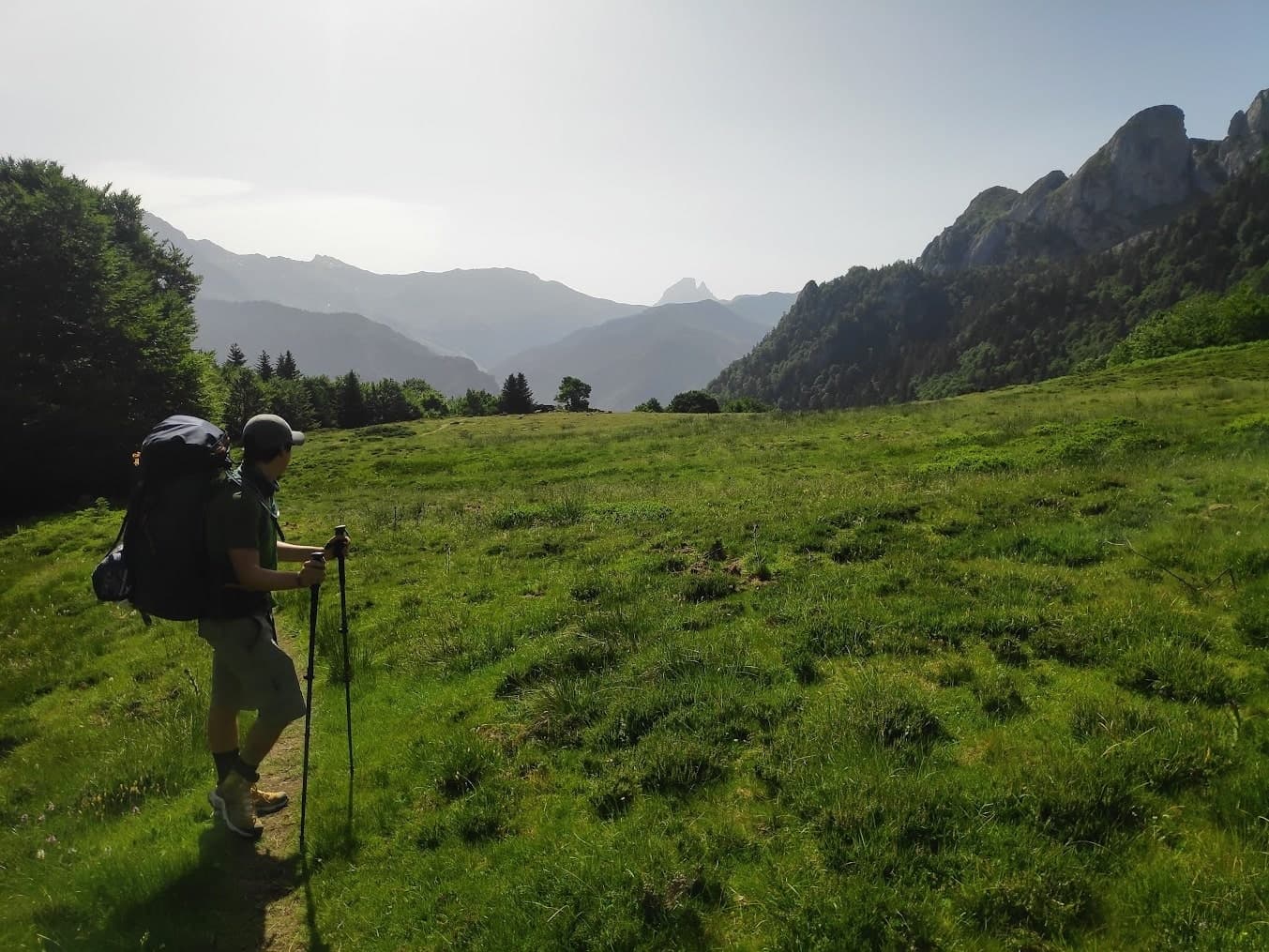
Salomon vs Columbia is one of the most common comparisons among hikers shopping for outdoor gear. Both brands have been around for decades, both make solid products, and both sit at slightly different points on the price-to-performance spectrum. Having used gear from each brand on trails across Europe, I can tell you the answer isn't as simple as picking one over the other. It depends entirely on what you're buying and how you plan to use it.
Brand Overview
Before diving into specific product categories, it helps to understand what each brand is about and where their strengths lie.
Salomon: Performance-First Heritage
Salomon was founded in 1947 in Annecy, France, as a small workshop producing wood saws and ski edges. Over the decades, the company shifted its focus to outdoor sports and has become one of the most respected names in trail running shoes, hiking boots, and ski equipment.
The brand's DNA is rooted in technical performance. Salomon invests heavily in proprietary technologies like Contagrip outsoles, SensiFit foot wrapping, and Advanced Chassis stability systems, and it shows in the finished products. You're typically paying a premium, but the engineering behind each product is genuinely impressive.
Columbia: Affordable and Accessible
Columbia Sportswear was founded in 1938 in Portland, Oregon, originally as a hat company. Today, it has grown into one of the largest outdoor apparel brands in the world, with a range that spans hiking, fishing, hunting, skiing, and everyday outdoor wear.
Columbia's approach is value-driven. Rather than chasing the absolute cutting edge of performance, the brand focuses on making reliable outdoor gear accessible to a wide audience. Technologies like Omni-Tech waterproofing and Omni-Heat thermal reflective lining offer solid performance at price points that undercut many competitors.
Salomon vs Columbia: Hiking Shoes and Boots
Footwear is where the gap between these two brands is most noticeable. Both make hiking shoes and boots, but they approach the category differently.
Salomon Footwear
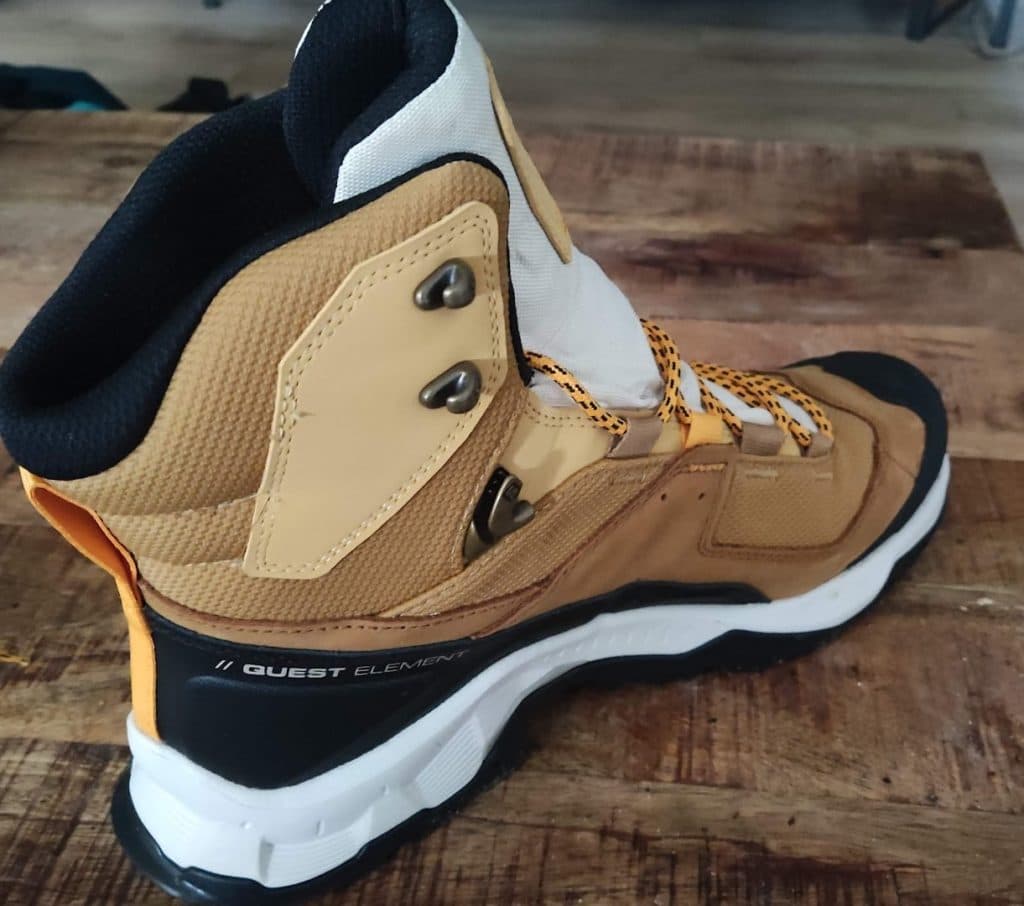
Salomon is widely regarded as one of the top hiking and trail running footwear brands in the world. Models like the Quest Element GTX, Quest 4 GTX, and X Ultra 4 Mid consistently rank among the best in their respective categories.
What sets Salomon apart in footwear:
- Contagrip outsoles deliver reliable traction across wet rock, loose gravel, and muddy trails
- Gore-Tex waterproofing is standard on most models (denoted by "GTX" in the name)
- Precise fit systems like SensiFit and Quicklace make for a secure, customisable feel
- Trail-specific engineering: each model is designed for particular terrain types and distances
The trade-off is price. Most Salomon hiking boots sit in the $150 to $250 range, with trail runners typically between $120 and $180.
Columbia Footwear
Columbia hiking boots won't top many "best of" lists for raw performance, but they consistently appear as excellent budget recommendations. The Columbia Newton Ridge Plus, for example, is one of the most recommended cheap hiking shoes available, often priced under $100.
What Columbia does well in footwear:
- Aggressive pricing: quality boots and shoes regularly available under $100
- Omni-Grip outsoles provide decent traction for casual and moderate trails
- Comfortable out of the box with minimal break-in on many models
- Wide range of styles from lightweight hikers to insulated winter boots
Where Columbia falls short compared to Salomon is in the finer details: outsole grip on technical terrain, long-term durability under heavy use, and the precision of fit on demanding trails.
Salomon vs Columbia: Hiking Footwear
Salomon Footwear
Serious hikers wanting top-tier performance
Pros
- ✓Industry-leading Contagrip outsole technology
- ✓Gore-Tex waterproofing on most models
- ✓Excellent fit and lacing systems
- ✓Wide range from trail runners to heavy boots
- ✓Proven on technical and demanding terrain
Cons
- ✕Higher price point ($120 to $250)
- ✕Limited wide-fit options on some models
- ✕Some outsole durability concerns reported
Columbia Footwear
Budget-conscious hikers and casual trail use
Pros
- ✓Excellent value with many models under $100
- ✓Comfortable with minimal break-in required
- ✓Good range of casual to moderate hiking options
- ✓Widely available in high-street stores
- ✓Broad sizing including wide fits
Cons
- ✕Outsole grip less reliable on technical terrain
- ✕Waterproofing not as consistent as Gore-Tex
- ✕Less durable under heavy, sustained use
The Verdict on Footwear
If you can afford it, footwear is not the place to cut corners. Your boots or shoes are the single most important piece of hiking gear, and they affect your comfort, safety, and enjoyment on every single outing. Salomon's footwear is genuinely a step above in grip, waterproofing, and fit precision.
That said, Columbia boots like the Newton Ridge Plus are perfectly capable of handling serious hiking trips. If your budget is tight, a well-fitted pair of Columbia boots will serve you far better than an ill-fitting pair of premium Salomons.
Salomon vs Columbia: Outdoor Clothing
The clothing comparison flips the script somewhat. While Salomon dominates in footwear, Columbia holds the stronger position in apparel.
Salomon Clothing
Salomon does make outdoor clothing, including jackets, base layers, shorts, and trail running apparel, but it's not what the brand is known for. In most outdoor clothing roundups, Salomon rarely features among the top recommendations. Brands like Patagonia, Arc'teryx, Outdoor Research, and The North Face tend to dominate those lists.
Salomon's clothing is perfectly functional, but it doesn't offer the same standout value or innovation that its footwear does. You're often paying a premium for the Salomon name on a jacket that doesn't outperform cheaper alternatives.
Columbia Clothing
Columbia is one of the largest outdoor clothing brands in the world, and for good reason. The brand offers a genuinely impressive range of jackets, fleeces, hiking trousers, base layers, and accessories at prices that consistently undercut the competition.
Key Columbia clothing technologies:
- Omni-Tech: waterproof-breathable membrane used in rain jackets and shells
- Omni-Heat: thermal reflective lining that retains body heat (their Silver and Infinity lines)
- Omni-Shade: UPF sun protection built into fabrics
- Omni-Wick: moisture-wicking system for active layers
Columbia may not win awards for cutting-edge design, but the brand delivers reliable performance at accessible prices. For most hikers, that's exactly what matters.
Salomon vs Columbia: Outdoor Clothing
Salomon Clothing
Trail runners wanting brand-matched kit
Pros
- ✓Well-constructed trail running apparel
- ✓Good technical base layers and shorts
- ✓Clean, understated designs
Cons
- ✕Premium pricing without premium standout
- ✕Limited range compared to clothing specialists
- ✕Better alternatives available at similar prices
Columbia Clothing
Hikers wanting reliable clothing at fair prices
Pros
- ✓Excellent value across the full range
- ✓Proprietary technologies (Omni-Heat, Omni-Tech)
- ✓Massive selection of styles and fits
- ✓Widely available and frequently on sale
- ✓Strong cold-weather and rain gear lineup
Cons
- ✕Fit can run large on some models
- ✕Not the most technical for extreme conditions
- ✕Design aesthetic can feel generic
The Verdict on Clothing
For most hikers, Columbia is the better choice for outdoor clothing. The brand offers strong value, a wide selection, and technologies like Omni-Heat that genuinely perform well. Unless you specifically want trail-running apparel that matches your Salomon shoes, there's little reason to pay the Salomon premium for clothing.
If you're willing to spend more on clothing, consider brands like Outdoor Research or Patagonia rather than Salomon. They offer better performance at the high end of the apparel market.
Price Comparison
Price is often the deciding factor, so here's how the two brands typically stack up across categories.
| Category | Salomon Range | Columbia Range |
|---|---|---|
| Hiking boots | $150 to $250 | $60 to $140 |
| Trail running shoes | $120 to $180 | $70 to $120 |
| Rain jackets | $150 to $300 | $60 to $150 |
| Fleece layers | $80 to $150 | $30 to $80 |
| Hiking trousers | $80 to $140 | $40 to $80 |
Columbia generally comes in at 40 to 60% of the price of equivalent Salomon products. The performance gap is real, but so is the price gap, and for many hikers, Columbia's quality-to-cost ratio is hard to beat.
Durability and Quality
Salomon Build Quality
Salomon products are generally well-built with attention to detail. Stitching, material quality, and construction are consistently high. However, no brand is perfect. I've noted outsole durability concerns on the Quest Element GTX in my Salomon Quest Element GTX review, and some hikers report similar issues with other models after heavy mileage.
Columbia Build Quality
Columbia products are solid for the price, but they're not built to the same standard as premium brands. Zippers, seam taping, and fabric weight can feel a step below what you'd get from Salomon or other high-end brands. For casual to moderate use, Columbia gear holds up well. Under sustained heavy use, you may find yourself replacing items sooner.
Which Brand Should You Choose?
The right brand depends on your priorities, budget, and how you spend your time outdoors.
Choose Salomon if:
- Footwear performance is your top priority
- You hike frequently on technical or demanding terrain
- You're willing to pay more for proven trail technologies
- You prioritise fit precision and grip above all else
Choose Columbia if:
- You want solid outdoor gear without breaking the bank
- You're looking for reliable hiking clothing and layering options
- You hike on moderate, well-maintained trails
- You prefer to spread your budget across multiple items rather than investing heavily in one
Or do what many experienced hikers do: use both. Salomon boots on your feet, a Columbia jacket on your back, and a Columbia cap keeping the sun off. There's no rule that says you need to commit to a single brand. If you're drawn to the trail running side of hiking and want to compare brands that prioritise natural foot mechanics, our Altra vs Topo Athletic comparison covers two brands taking a different approach to footwear design.
Frequently Asked Questions
Last updated on June 21, 2026.

Jasper Baetens
Hiking enthusiast from Belgium, mainly active in Europe. Created HikeHeaven to share experiences, research, tips, tricks and recommend products — or simply to help other hikers.