Best Salomon Hiking Shoes and Boots: The Full Range Compared
Which Salomon hiking shoe or boot is right for you? X Ultra, Quest, and OUTline series compared for day hiking, backpacking, and technical terrain.

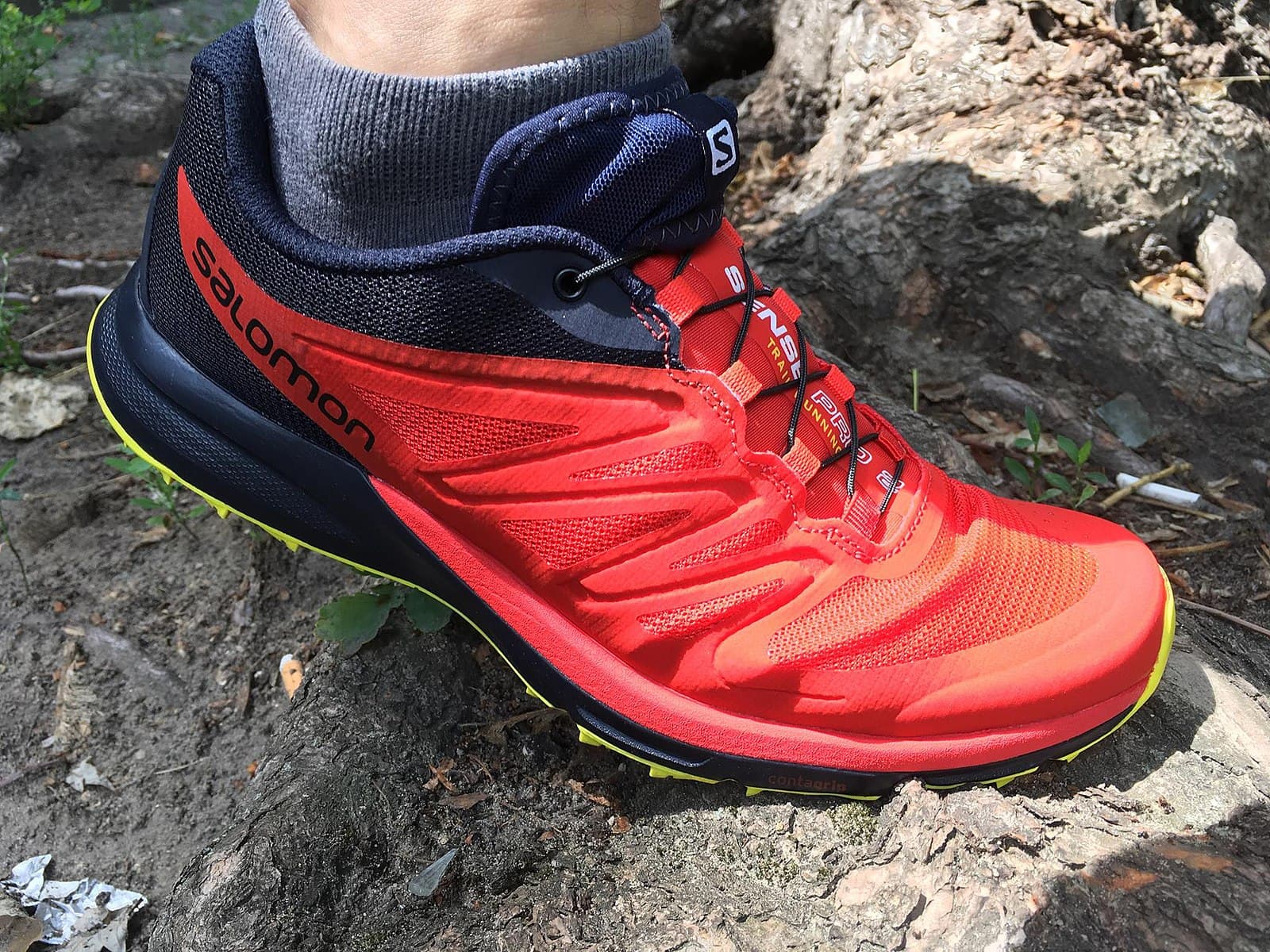
Salomon makes more hiking footwear than most people realise, and picking the best Salomon hiking shoes for your feet means cutting through a crowded range. The X Ultra line covers day hiking, the Quest series handles serious backpacking, the OUTline suits casual use, and the OUTpulse bridges trail running and hiking. Navigating all that is confusing without a guide.
Here's how the main Salomon hiking lines compare and which to buy for your specific use case.
What Makes the Best Salomon Hiking Shoes Stand Out
Salomon started as a ski binding manufacturer and moved into trail running and hiking with the technical precision that background implies. Their Contagrip outsole compound is one of the best performing in the industry on wet rock, roots, and mixed trail surfaces. The SensiFit upper system provides a secure wrap around the midfoot without the pressure points of traditional lacing.
The trade-off: Salomon runs narrow to medium in last shape. If you have wide feet, particularly in the forefoot, Salomon footwear may not work for you regardless of model. The fit profile is consistent across the range, which means if one Salomon model works for your foot, most others will too.
The Main Salomon Hiking Lines
X Ultra Series: Best for Day Hiking
The X Ultra is Salomon's flagship day hiking line and their best-selling trail footwear category. Now in its fifth generation, it's sold mainly as a mid-cut GTX boot, while low-cut day hiking duties have largely shifted to Salomon's XA Pro 3D.
X Ultra 5 Mid GTX: The current flagship. Mid-cut ankle coverage, Gore-Tex waterproofing, and the Contagrip outsole make it the model most general hikers should consider first in the Salomon range. Recommended for rocky terrain where ankle support matters, autumn and wet-weather hiking, and longer days with a heavier pack.
X Ultra 4 Mid GTX: The previous generation, often available at a lower price. Performance is close to the X Ultra 5, so it's a smart buy whenever you find it discounted.
Salomon XA Pro 3D V9 (Low-cut): If you want a low-cut Salomon shoe, the XA Pro 3D is the readily available option. The Contagrip outsole and SensiFit upper deliver the traction and midfoot lock Salomon is known for, in a lighter, more breathable package for day hikes with a light pack.
Salomon X Ultra Series
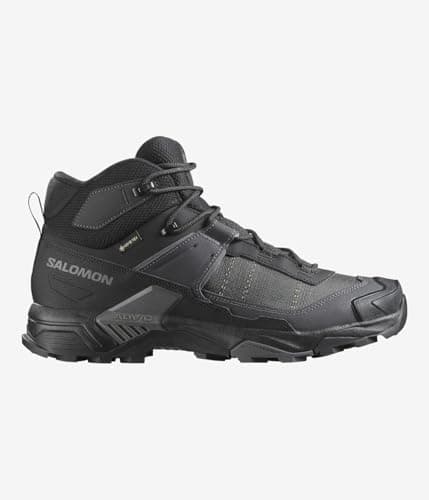 Salomon X Ultra 5 Mid GTX
The current flagship and the best all-round Salomon hiking boot for most hikers. Mid-cut ankle support, Gore-Tex waterproofing, Contagrip outsole. Handles day hikes and light backpacking.
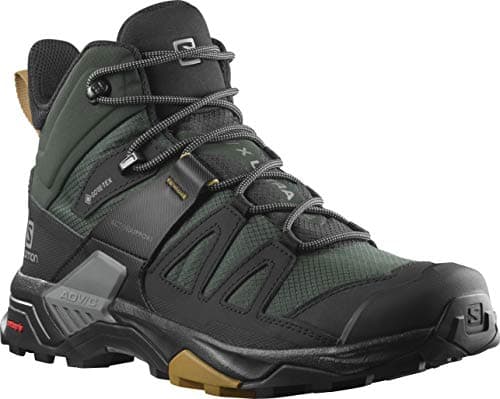 Salomon X Ultra 4 Mid GTX
The previous generation, often available at a lower price. Performance is close to the X Ultra 5, so it's a smart buy when you find it discounted.
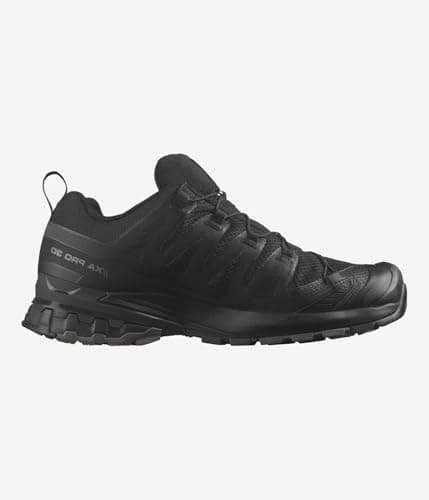 Salomon XA Pro 3D V9
The readily available low-cut Salomon shoe. Lighter and more breathable than the mid boots, with the same Contagrip grip, for day hikes with a light pack.
Quest Series: Best for Multi-Day Backpacking
The Quest series steps up to full backpacking capability. It's heavier and stiffer than the X Ultra, with more protection, and it's built to carry loads of 15-25kg over multiple days on technical terrain.
Quest Element GTX: Our most closely reviewed Salomon boot. The Quest Element GTX uses Salomon's PROTECT chassis in the midsole, providing excellent underfoot protection on rocky terrain. The SensiFit upper wraps the foot securely with the locking lace system. Gore-Tex waterproofing handles stream crossings and sustained rain. At $160, it's priced competitively for a full hiking boot. Read our full Salomon Quest Element GTX review for detailed performance analysis.
Quest 4 GTX: Higher specification than the Quest Element. More cushioning in the OrthoLite insole, higher waterproof collar, and stiffer torsional control. At $230, it's the right choice for serious backpacking with heavy loads on technical alpine terrain. For a full comparison of how Salomon stacks up against similar brands, see our Salomon vs Columbia comparison.
Salomon Quest Series
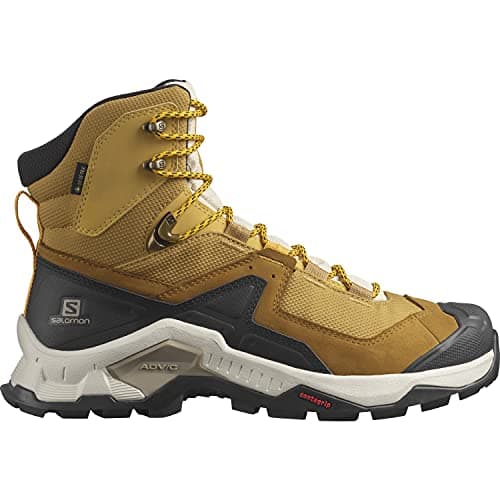 Salomon Quest Element GTX
Mid-range backpacking boot with full Gore-Tex protection and the PROTECT chassis for rocky terrain. Best for multi-day routes with 10-20kg packs.
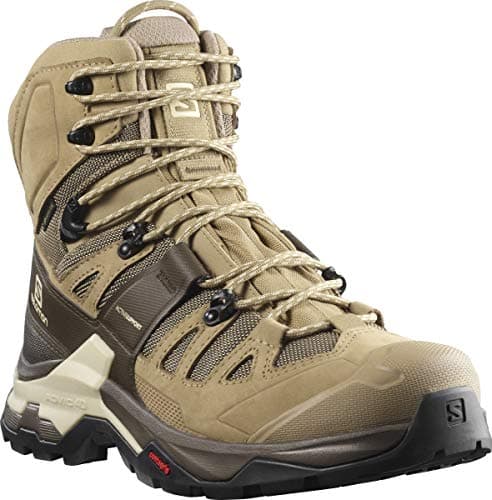 Salomon Quest 4 GTX
The most protective boot in the Quest line. Stiffer torsional control and higher waterproof collar. For serious backpacking on technical terrain.
OUTline and OUTpulse: Casual to Trail-Ready
The OUTline series targets casual hikers and daily use, with a lower price point and less aggressive outsole than the X Ultra. For urban walking and light gravel paths, the OUTline is comfortable and smart enough for everyday wear. For actual trail hiking with any elevation or technical terrain, the X Ultra is the better choice.
The OUTpulse sits between trail running and hiking, with more cushioning than the X Ultra and a more running-oriented geometry. If you're a trail runner adding hiking to your kit without wanting separate footwear categories, the OUTpulse is worth considering.
How to Choose Between X Ultra and Quest
The central question is pack weight and terrain:
Day hiking with pack under 10kg: X Ultra 5 Mid GTX. The lighter, more flexible construction is more comfortable for the load and terrain.
Multi-day backpacking with pack over 10kg: Quest Element GTX or Quest 4 GTX. The stiffer chassis and higher support are designed for the additional load-bearing demands.
Technical scrambling or scree: Quest 4 GTX. The stiffer sole provides edge-hold on exposed rock that flexible day hiking shoes lack.
Warm, dry summer conditions: Consider non-GTX versions of either line. The mesh uppers dry faster and breathe better when waterproofing isn't needed.
X Ultra vs Quest: Key Differences
X Ultra 5 Mid GTX
$180
?Estimated price — check Amazon for the latest price
Day hiking and light backpacking under 10kg
Pros
- ✓Lighter and more flexible for day hiking
- ✓More breathable upper construction
- ✓Better ground feel and agility
- ✓Lower price point
Cons
- ✕Less protection for very heavy packs
- ✕Not designed for technical alpine terrain
Quest Element GTX
$160
?Estimated price — check Amazon for the latest price
Multi-day backpacking with 10-20kg loads
Pros
- ✓PROTECT chassis handles rocky terrain with loaded pack
- ✓Full waterproof protection
- ✓Higher ankle collar
- ✓Designed for multi-day loaded carry
Cons
- ✕Heavier than X Ultra
- ✕Less flexible, requires proper break-in
Breaking In Salomon Boots
Unlike some traditional leather hiking boots, Salomon's synthetic and GTX models break in relatively quickly. Most hikers find the X Ultra series comfortable within 2-3 short walks. The Quest series takes longer due to the stiffer construction.
Follow the standard progressive break-in: start with 2-3km flat walks, move to 5-8km with some elevation, then build to full day outings over 2-3 weeks. Our how to break in hiking boots guide covers the complete process for synthetic and leather boots.
Salomon's hiking range is genuinely strong across its price points. The X Ultra 5 Mid GTX is the right first choice for most hikers, and the Quest Element GTX is the right upgrade when loads and terrain demand it. Stick with GTX versions for anything other than summer dry-weather hiking, and break them in properly before any long route.
Last updated on June 21, 2026.

Jasper Baetens
Hiking enthusiast from Belgium, mainly active in Europe. Created HikeHeaven to share experiences, research, tips, tricks and recommend products — or simply to help other hikers.