11 Best Cheap Hiking Shoes and Boots
Budget hiking footwear that actually performs, from cheap trail shoes to waterproof Gore-Tex boots under $100. Tested picks for every type of hiker.

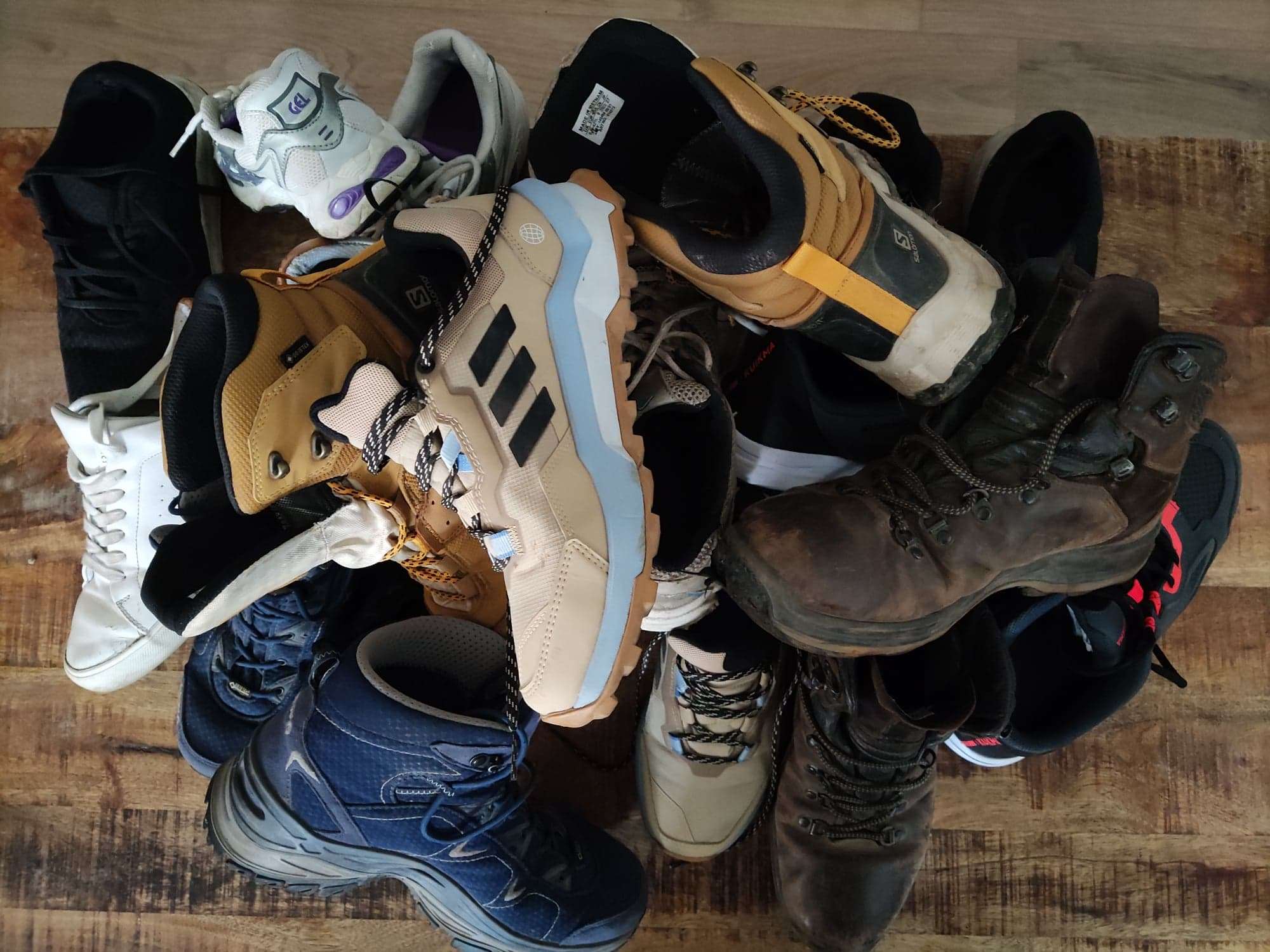
Good hiking footwear doesn't need to cost a fortune. The gap between budget and premium has narrowed sharply in recent years, and several shoes under $100 now offer grip, comfort, and durability that would have been mid-range territory a decade ago. New to hiking, or after a dependable backup pair? The best cheap hiking shoes cover every style, from lightweight trail shoes to waterproof mid-cut boots, without draining your account, and the 11 picks below span the lot.
At a Glance
Our top all-round pick is the Columbia Newton Ridge Plus: waterproof leather with genuine support at a fair price. Want a cheap waterproof shoe? The NORTIV 8 delivers for around $50. Hiking regularly? Buy once with the Salomon X Ultra 5.
| Product | Best for | Summary | Type | Link |
|---|---|---|---|---|
 Columbia Newton Ridge Plus Columbia Newton Ridge Plus | Best overall boot | Waterproof leather with genuine support | Boot | Check price |
 Merrell Moab 3 Mid GTX Merrell Moab 3 Mid GTX | Best waterproof under $100 | Gore-Tex protection that still breathes | Boot | Check price |
 XPETI Thermator Mid Waterproof Insulated Boot XPETI Thermator Mid Waterproof Insulated Boot | Best for cold weather | Insulated and waterproof for winter | Boot | Check price |
 Timberland White Ledge Timberland White Ledge | Best for everyday wear | Trail-capable boot that doubles as daily wear | Boot | Check price |
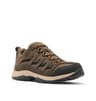 Columbia Crestwood Columbia Crestwood | Best overall low-cut | Lightweight all-rounder, waterproof optional | Shoe | Check price |
 NORTIV 8 Low Top Waterproof Hiking Shoes NORTIV 8 Low Top Waterproof Hiking Shoes | Best budget waterproof | Sealed membrane and dependable grip on a budget | Shoe | Check price |
 Merrell Moab 3 Merrell Moab 3 | Best breathable shoe | Outstanding airflow, wide-foot friendly | Shoe | Check price |
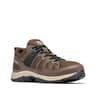 Columbia Granite Trail Columbia Granite Trail | Best breathability runner-up | Light and fast-drying for hot trails | Shoe | Check price |
 RAX Quick Drying Water Hiking Shoes RAX Quick Drying Water Hiking Shoes | Best for wet environments | Drains and dries fast for stream walks | Shoe | Check price |
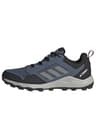 Adidas Terrex Tracerocker 2 Adidas Terrex Tracerocker 2 | Best trail running shoe | Lightest pick, grippy for fast days | Shoe | Check price |
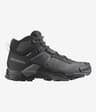 Salomon X Ultra 5 Mid GTX Salomon X Ultra 5 Mid GTX | Best quality investment | Outlasts budget shoes two to three times | Boot | Check price |
Best Cheap Hiking Boots (Mid-Cut)
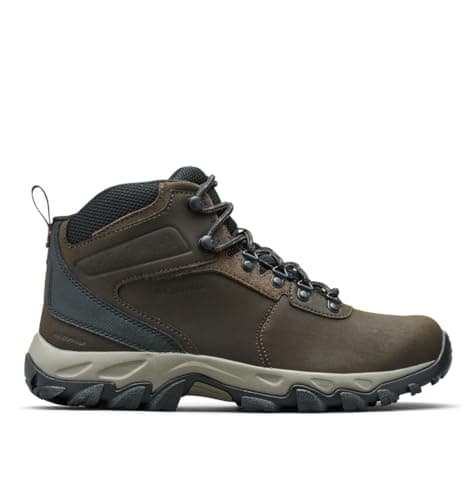
1. Columbia Newton Ridge Plus, Best Overall Boot
The boot most budget hikers should buy first: waterproof leather, genuine ankle support, and a price that stays firmly in budget territory.
Pros
- ✓Full leather waterproof construction
- ✓Lighter than most mid-cut alternatives
- ✓Good arch support with Techlite midsole
- ✓Shorter break-in period than comparable boots
Cons
- ✕Narrow toe box, not ideal for wide feet
- ✕Outsole wears faster than premium boots
- ✕Lacing hardware could be sturdier
The Columbia Newton Ridge Plus is the boot most budget-conscious hikers end up buying, and for good reason. It uses full leather construction with a waterproof membrane, offers decent ankle support, and requires a shorter break-in period than most leather boots at this price.
The arch support is genuinely good for a boot at this price, and the weight is lighter than you'd expect from a full-leather mid-cut. Columbia's Techlite midsole provides enough cushioning for full-day hikes without feeling mushy on technical ground.
The main limitation is fit: the toe box runs slightly narrow, so if you have wide feet, try them on in person before committing. Durability is also a step below premium boots. Expect the outsole to show wear after 200 to 300 miles, but at this price point, that's a fair trade-off.
2. Merrell Moab 3 Mid GTX, Best Waterproof Under $100
The best waterproof boot in the budget bracket, and the rare one that breathes well enough for all-day wear.

Pros
- ✓Gore-Tex waterproofing at a budget price
- ✓More breathable than hard leather boots
- ✓Comfortable for wide feet
- ✓Vibram outsole for reliable traction
Cons
- ✕Some reports of sole delamination over time
- ✕Higher price within the budget range
- ✕Ankle support is moderate, not rigid
The Merrell Moab 3 Mid GTX is the most popular hiking boot in the world for a reason. The "Mother of All Boots" combines a Gore-Tex waterproof membrane with a Vibram TC5+ outsole in a package that fits comfortably out of the box, no agonising break-in required.
What makes the Moab 3 Mid stand out in this price range is its breathability. Most budget waterproof boots feel clammy after an hour of climbing. The Moab's mesh-and-synthetic upper lets significantly more air circulate than the full-leather alternatives, and the Gore-Tex membrane handles its waterproofing duties without turning the boot into a sauna.
The boot suits wide feet particularly well, which is unusual at this price. The ankle support is moderate rather than rigid, enough for established trails and light scrambling, but not designed for heavy off-trail work with a loaded pack.
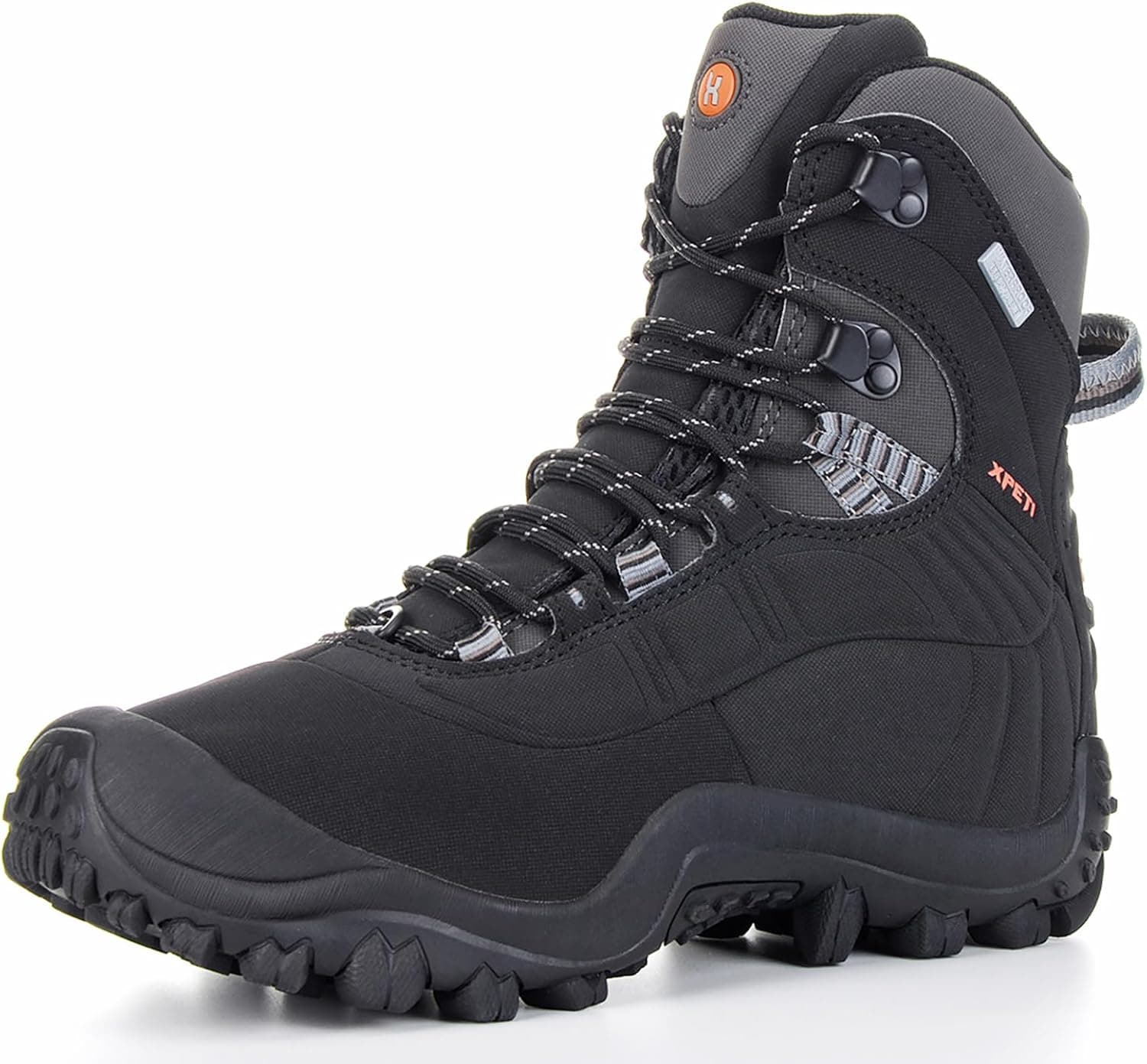
3. XPETI Thermator, Best for Cold Weather
A genuinely warm, waterproof winter boot for the price of a weekly shop, backed by thousands of positive reviews rather than a no-name gamble.
Pros
- ✓Genuinely warm insulation for late-autumn and winter hikes
- ✓Waterproof membrane holds up in snow and slush
- ✓Hard to beat on price for an insulated winter boot
- ✓Thousands of positive reviews, a safer bet than no-name brands
Cons
- ✕Insulation runs too warm for mild-weather hikes
- ✕Not built for technical winter mountaineering
- ✕Sizing runs slightly small, order half a size up
The XPETI Thermator is the boot to reach for when the temperature drops. It packs genuine insulation and a waterproof membrane into a mid-rise boot that costs a fraction of the big-brand winter options, and it has the review history to prove it holds up.
The warmth is the standout feature. The Thermator runs noticeably warmer than the Columbia Newton Ridge or Merrell Moab, making it a solid pick for late-autumn and winter hiking. The waterproofing copes well with snow and slush, and the lugged outsole bites into packed trails.
The trade-off is versatility. All that insulation makes the Thermator too warm for mild days, so treat it as a dedicated cold-weather boot rather than a year-round one. It's not a mountaineering boot either, but for snowy day hikes on a budget, little else competes at the price.
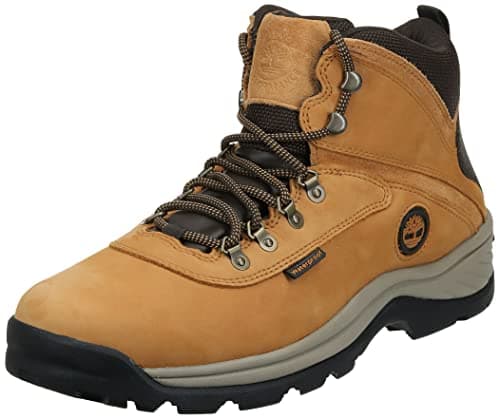
4. Timberland White Ledge, Best for Short Hikes and Everyday Wear
One pair for light day hikes, weekend walks, and the high street, best bought on one of Timberland's frequent sales.
Pros
- ✓Waterproof full-grain leather upper
- ✓Comfortable for casual hikes and everyday wear
- ✓Classic design that works on and off trail
- ✓Solid build quality for the price
Cons
- ✕Heavier than competitors
- ✕Only budget-friendly on promotion
- ✕Less technical tread pattern
The Timberland White Ledge straddles the line between hiking boot and everyday footwear. Full-grain leather construction and a waterproof membrane give it genuine trail capability, while the classic Timberland silhouette means it doesn't look out of place off the trail.
The White Ledge is heavier than purpose-built hiking boots and its tread pattern is less aggressive than the Merrell or Columbia alternatives. For committed trail hiking, those boots are better choices. But if you want one pair that handles weekend walks, light day hikes, and daily errands, the White Ledge is a practical pick.
The caveat: at full retail, it stretches beyond true budget territory. Keep an eye out for promotions, since Timberland runs frequent sales that bring the price down to competitive levels. For a more detailed look at how the Timberland hiking range stacks up against purpose-built trail boots, see our guide to Timberlands for hiking.
Best Cheap Hiking Shoes (Low-Cut)
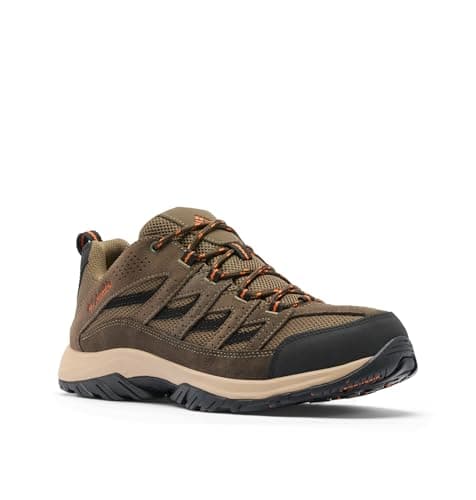
5. Columbia Crestwood, Best Overall Low-Cut Shoe
The most well-rounded budget low-cut shoe, with no glaring weakness and a waterproof version if you want it.
Pros
- ✓Versatile, works on varied terrain
- ✓Omni-Grip traction is reliable
- ✓Available in waterproof and non-waterproof
- ✓Comfortable from the first wear
Cons
- ✕Durability not on par with premium shoes
- ✕Can run slightly large in sizing
- ✕Midsole cushioning is basic
The Columbia Crestwood does everything a budget hiking shoe needs to do without any notable weaknesses. It's lightweight, the Omni-Grip traction handles mixed terrain reliably, and the fit is comfortable from the first wear.
Columbia offers both waterproof and non-waterproof versions, giving you the option to choose based on your typical conditions. The non-waterproof version breathes better and costs less; the waterproof version adds a sealed membrane for wet trails.
Some users report durability issues after heavy use, and sizing can run slightly large. Order your usual size but be prepared to exchange if the fit feels loose. Despite these minor caveats, the Crestwood delivers the best overall package in the budget low-cut category.
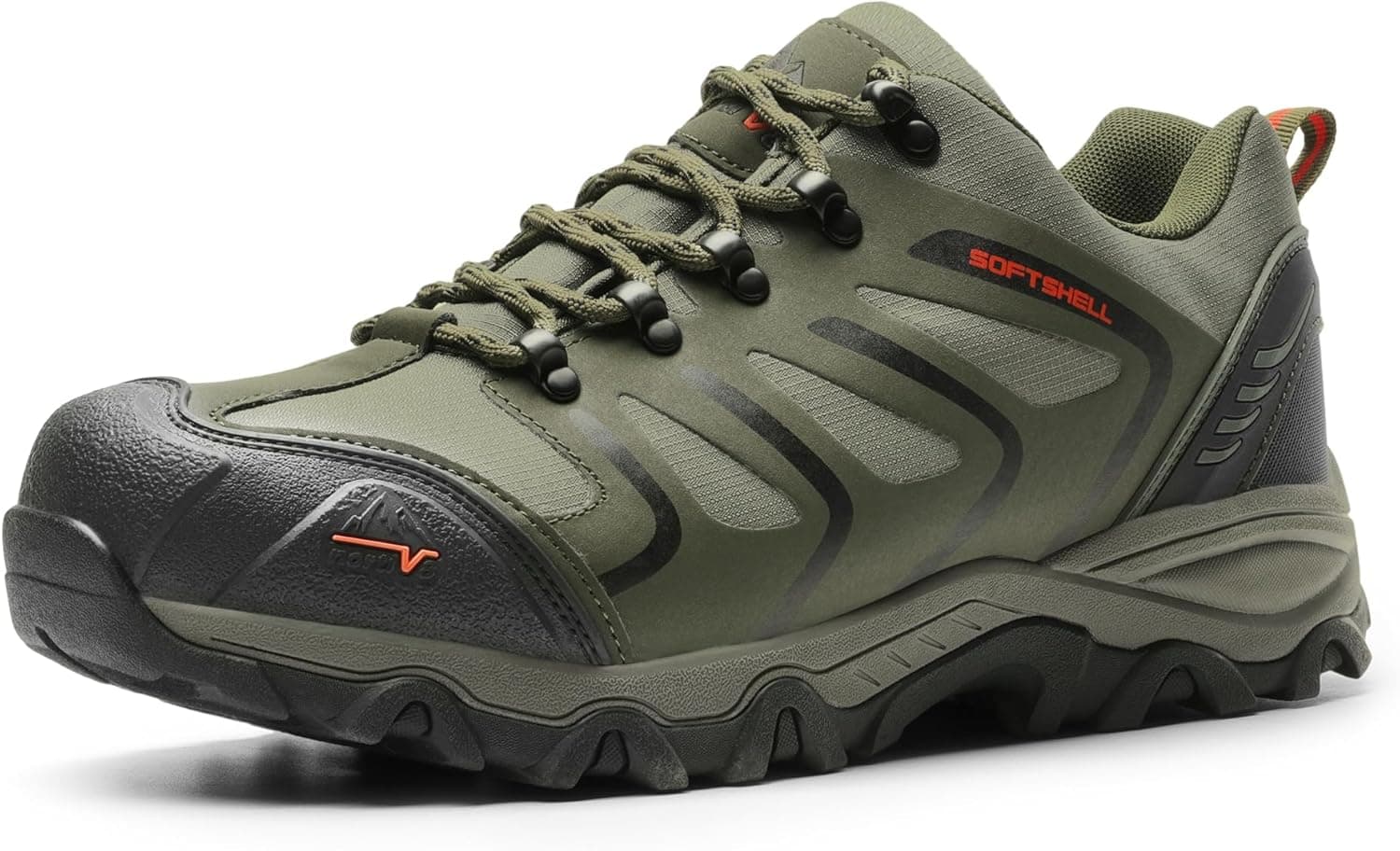
6. NORTIV 8 Waterproof, Best Budget Shoe
Genuine waterproofing and dependable grip for around $50, and one of the cheapest ways to find out whether hiking is for you.
Pros
- ✓Sealed waterproof membrane, rare at this price
- ✓Rubber toe cap guards against rock strikes
- ✓Reliable grip on dry and lightly damp ground
- ✓Thousands of positive reviews for the price
Cons
- ✕Synthetic upper breathes less than mesh shoes
- ✕Build quality below Columbia and Merrell
- ✕Best treated as a starter or backup pair
The NORTIV 8 Waterproof Hiking Shoes are genuinely cheap, and at that price, expectations should be realistic. What's surprising is how much shoe you get, including a genuine waterproof membrane that many pricier budget options skip.
The low-top design keeps weight down, the rubber toe cap protects against rock strikes, and the lugged sole provides reliable grip on dry and lightly damp terrain. For casual day hikes on established trails, they're more than capable.
Where they fall short is breathability. The waterproof synthetic upper traps more heat than a mesh shoe, so your feet run warmer on hot days, and overall build quality sits a step below the Columbia and Merrell options. These make an excellent starter shoe if you're testing whether hiking is for you, or a dependable backup pair for wet, less demanding outings.
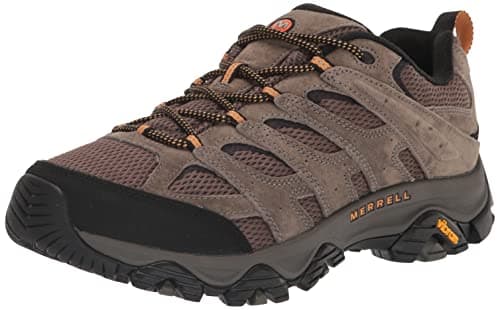
7. Merrell Moab 3, Best Breathable Shoe
The most breathable shoe here and a standout for wide feet, ideal for dry-weather and summer trails.
Pros
- ✓Excellent breathability, best in class
- ✓Comfortable for wide feet
- ✓Vibram outsole with strong traction
- ✓Fast drying after wet crossings
Cons
- ✕Not waterproof, rain will get in
- ✕Some users report heel slippage
- ✕Slightly pricier than other budget options
The Merrell Moab 3 is the non-waterproof sibling of the Moab 3 Mid GTX, and for dry-weather hiking, it's the better choice. The mesh upper offers outstanding airflow, keeping your feet cool on warm-weather trails where a waterproof membrane would feel stifling.
The Vibram outsole is the same unit used on the GTX version, so traction is identical and excellent. Cushioning is comfortable for long days, and the fit is particularly accommodating for wider feet, a genuine advantage, since many budget shoes run narrow.
Some users report heel slippage, especially on steep descents. Lacing the top eyelets firmly and wearing a pair of medium-weight hiking socks helps. If this doesn't resolve it, the Moab may not suit your foot shape.
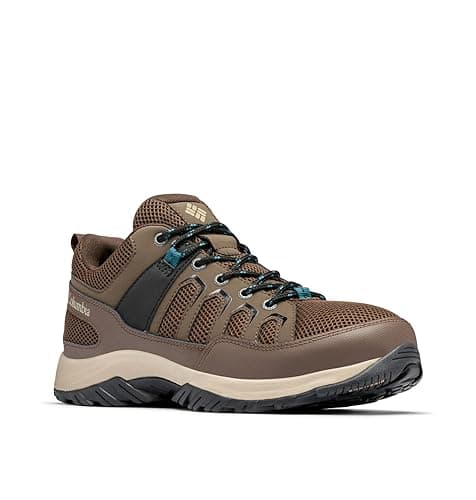
8. Columbia Granite Trail, Best Breathability Runner-Up
A lightweight, fast-drying shoe that ventilates brilliantly on hot trails, and the natural successor to Columbia's old Granite Ridge line.
Pros
- ✓Excellent ventilation for hot-weather trails
- ✓Lightweight with almost no break-in
- ✓Omni-Grip outsole holds on mixed terrain
- ✓Dries quickly after wet crossings
Cons
- ✕Not waterproof
- ✕Sold mainly as a men's shoe
- ✕Basic cushioning for long distances
The Columbia Granite Trail combines a textile and mesh upper in a lightweight low-cut shoe that excels at ventilation. The Omni-Grip outsole provides solid traction, and it carries forward the easy-going comfort of the Granite Ridge it replaces.
The Granite Trail is not waterproof and dries quickly after wet crossings, making it a good companion for summer hiking and stream-side trails. Build quality is consistent, and the shoe requires almost no break-in period.
The main limitation is availability: the Granite Trail is sold primarily as a men's shoe. If you're after a similarly priced women's alternative with good breathability, the Columbia Crestwood in the non-waterproof version is the closest match.
Specialist Budget Picks
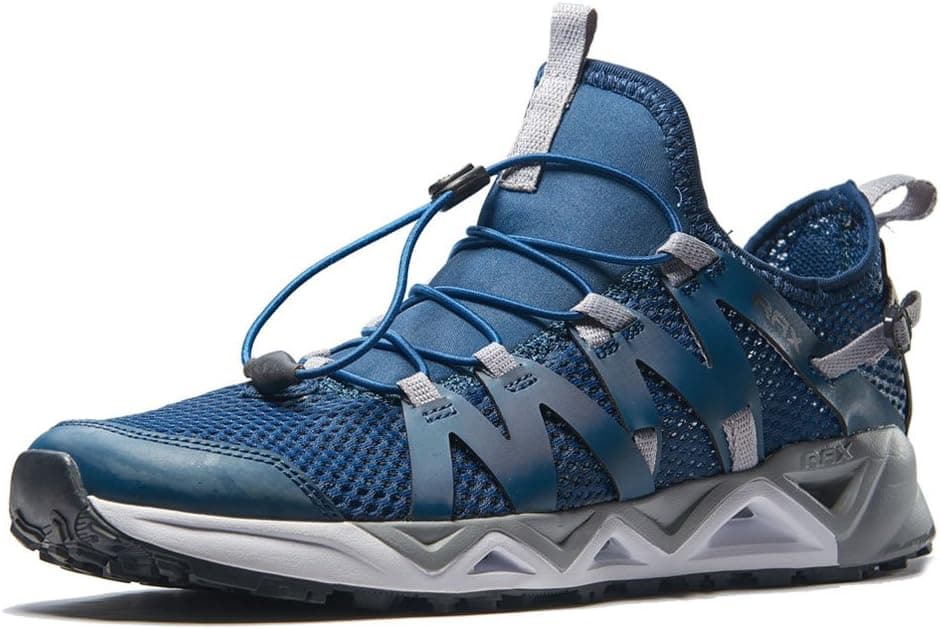
9. RAX Quick Drying Water Hiking Shoes, Best for Wet Environments
A specialist shoe for stream walks and wet crossings that drains and dries faster than anything else on this list.
Pros
- ✓Drains and dries faster than any other shoe here
- ✓Slip-resistant grip on wet rock
- ✓Built for stream walks and water crossings
- ✓Light with minimal bulk
Cons
- ✕A specialist, not an all-rounder
- ✕Outclassed by normal shoes on dry trails
- ✕Minimal cushioning and support
The RAX Quick Drying Water Hiking Shoes are purpose-built for hiking routes that involve regular water crossings, stream walks, or consistently wet terrain where conventional hiking shoes would stay soggy for hours.
Rather than trying to keep water out, a losing battle in genuinely aquatic environments, the RAX shoes let water in and out freely while providing grip and protection. The slip-resistant outsole works well on wet rock, and the quick-drying upper material sheds moisture faster than any traditional hiking shoe tested.
These are a specialist tool, not an all-rounder. For dry trail hiking, any of the conventional shoes above will outperform them. But for canyoneering approaches, coastal path hiking, or tropical trail conditions, they fill a gap that standard footwear cannot.
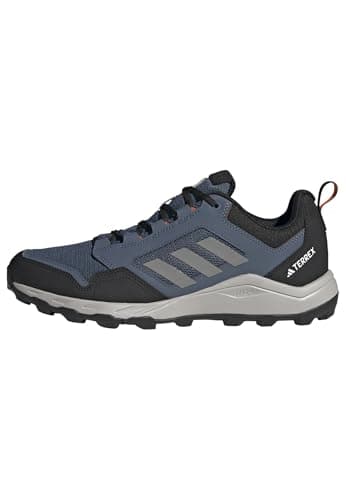
10. Adidas Terrex Tracerocker 2, Best Trail Running Shoe
The pick for speed hikers: lighter and nimbler than any boot here, with grippy Continental rubber for fast days on moderate trails.
Pros
- ✓Lightest option on this list
- ✓Continental rubber grips confidently
- ✓Nimble and quick on descents
- ✓Breathable for fast-paced, warm-weather hiking
Cons
- ✕Minimal ankle coverage and protection
- ✕Thinner sole than a dedicated hiking shoe
- ✕Fit runs narrow
The Adidas Terrex Tracerocker 2 blurs the line between trail runner and hiking shoe. It's lighter than everything else on this list, with a cushioned midsole and breathable upper designed for faster-paced movement over technical ground.
If your version of hiking is closer to trail running, covering ground quickly on established trails with a light daypack, the Tracerocker suits that style better than a traditional hiking shoe. The Continental rubber outsole provides excellent grip, and the shoe feels nimble on descents where heavier boots feel clumsy.
The trade-off is protection and support. There's minimal ankle coverage, the sole unit is thinner than a dedicated hiking shoe, and the fit runs narrow. For rough, rocky terrain with a heavy pack, look elsewhere. For speed-hiking and fast day trips on moderate trails, the Tracerocker is a strong budget performer. Adidas sells most Terrex models in both waterproof (GTX) and non-waterproof versions. Our Adidas Terrex waterproof guide explains the difference and which models to look for.
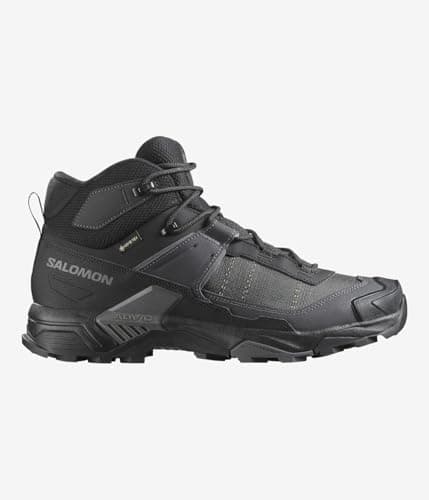
11. Salomon X Ultra 5 Mid GTX, Best Quality Investment
The buy-once option: more durable, grippier, and more weatherproof than the rest, and cheap per mile if you hike often.
Pros
- ✓Outlasts budget shoes by two to three times
- ✓Contagrip outsole excels on wet rock and gravel
- ✓Gore-Tex waterproofing with genuine ankle support
- ✓Lowest cost per mile of anything here
Cons
- ✕The most expensive pick on this list
- ✕Gore-Tex runs warm on hot summer days
- ✕Often needs a sale to reach true budget pricing
The Salomon X Ultra 5 Mid GTX pushes against the upper boundary of "cheap," but the cost per mile makes it one of the best values on this list. Salomon's build quality, grip, and comfort are a clear step above every other pick here, and the X Ultra 5, the current model that replaced the long-running X Ultra 4, will outlast most budget options by a factor of two or three.
The Contagrip outsole grips confidently on wet rock and loose gravel. The Advanced Chassis midsole provides stability on uneven ground without adding bulk, and the mid-cut Gore-Tex upper adds waterproofing and ankle support that the low-cut shoes here can't match.
If you hike regularly, say, twice a month or more, spending the extra on the X Ultra 5 saves money over time compared to replacing cheaper shoes annually. Think of it as the "buy once, cry once" option for hikers who know they'll stick with the hobby.
What to Look for in Budget Hiking Shoes
Cheap does not mean careless. Even on a budget, focus on these four factors:
Outsole Quality
The outsole determines grip, durability, and confidence on the trail. Look for branded rubber compounds (Vibram, Contagrip, Continental) rather than generic rubber. Budget shoes with named outsole technology consistently outperform those without.
Fit Over Features
A perfectly fitting basic shoe outperforms a feature-rich shoe that doesn't suit your foot shape. If possible, try shoes on in person with the socks you'll actually hike in. Walk on an incline to test for heel slip and toe bang.
Waterproofing, Do You Actually Need It?
Waterproof membranes add cost and reduce breathability. If you hike primarily in dry conditions or warm weather, a breathable non-waterproof shoe will keep your feet more comfortable overall. Save the waterproof option for wet climates and cold-weather hiking.
Weight vs Support
Lighter shoes reduce fatigue over distance but offer less protection on rough terrain. Match the shoe to your typical trail: established paths and moderate terrain suit lightweight shoes; rocky, uneven ground benefits from sturdier construction.
Budget Hiking Essentials Beyond Footwear
- Merino wool hiking socks
The single best upgrade for any hiking shoe, reduces blisters, manages moisture, and regulates temperature
- Insoles or aftermarket footbeds
Budget shoes often have thin insoles. An affordable replacement footbed transforms comfort and support
- Gaiters
Keep debris out of low-cut shoes on gravelly or sandy trails
- Waterproofing spray
Extends the DWR coating on budget waterproof shoes, apply before first use and after every few outings
Frequently Asked Questions
Last updated on June 21, 2026.

Jasper Baetens
Hiking enthusiast from Belgium, mainly active in Europe. Created HikeHeaven to share experiences, research, tips, tricks and recommend products — or simply to help other hikers.