Best Cheap Trail Running Shoes Under $100
Seven trail running shoes under $100 tested on mixed terrain. Brooks, ASICS, Saucony, and budget brands compared on grip, cushioning, and durability.

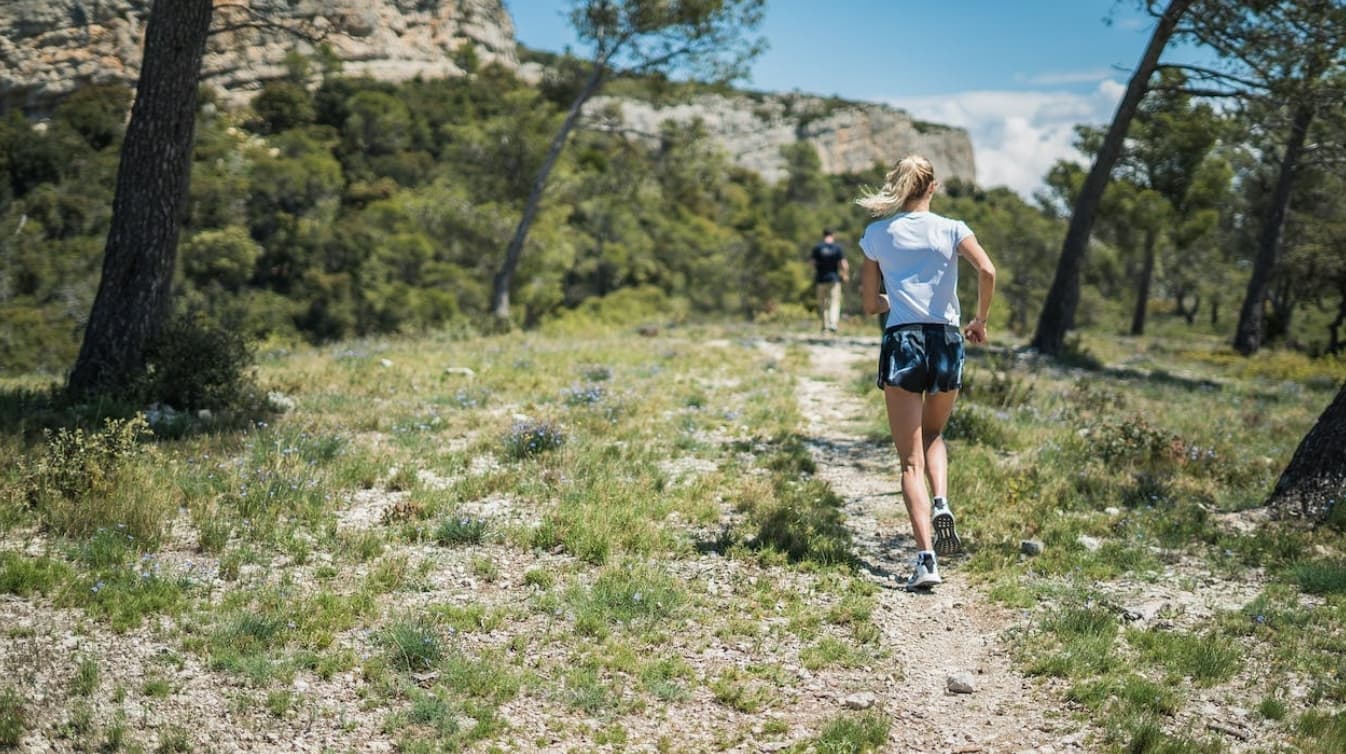
Trail running shoes have become expensive. The Salomon Speedcross 6 costs $140. The Hoka Speedgoat 6 is $155. For a sport where shoes wear out every 400-600km, that's a significant ongoing cost. The good news is that the best cheap trail running shoes, all under $100, are genuinely capable on real terrain.
Here are the seven best trail running shoes under $100, what they handle well, and where budget compromises actually appear.
What Makes a Trail Running Shoe Different from a Road Shoe?
Three things:
Outsole lug pattern: Road shoes have flat or slightly textured outsoles optimised for smooth surfaces. Trail shoes have aggressive lug patterns (raised rubber teeth) designed to dig into mud, grip loose rock, and provide bite on wet roots. The deeper and wider the lugs, the more aggressive the terrain they handle.
Outsole compound: Trail outsoles typically use a stickier rubber compound (Vibram, Contagrip, XTR rubber) that grips rock better than the harder rubber used on road shoes.
Protective rock plate and reinforced upper: Trail shoes often include a rigid plate in the midsole that protects the foot from sharp rocks. The upper uses more durable materials (overlays, reinforced toebox) to resist abrasion from rock and rough terrain.
Best Cheap Trail Running Shoes
Top Budget Trail Running Shoes
Brooks Cascadia 17
$100 on sale
?Estimated price — check latest price on Amazon
Best all-round trail shoe if you can find it on sale
Pros
- ✓DNA Loft cushioning absorbs impact on rocky trail
- ✓TrailTack outsole handles wet and dry rock
- ✓Ballistic Rock Shield rock plate standard
- ✓Reliable 10mm drop fits most runners
Cons
- ✕Often just over $100, watch for sales
- ✕Heavier than minimalist options

ASICS Gel-Sonoma 8
$75
?Estimated price — check latest price on Amazon
Moderate trail at the best budget price
Pros
- ✓Rearfoot GEL cushioning reduces heel impact
- ✓AMPLIFOAM midsole at a budget price
- ✓Reliable on mixed moderate terrain
- ✓Good fit and sizing consistency
Cons
- ✕Less aggressive lug than Salomon or Brooks
- ✕Not suitable for very technical terrain
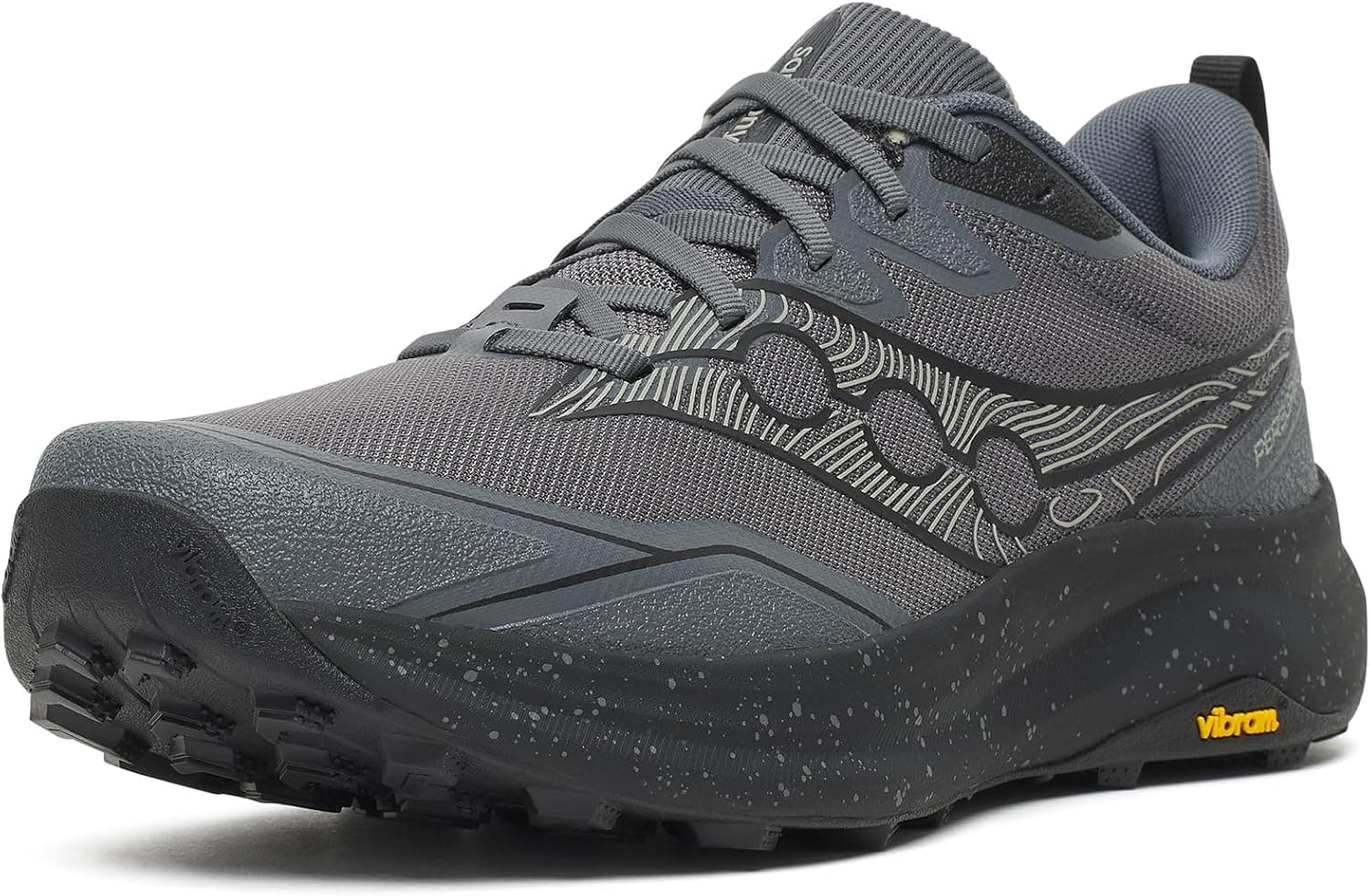
Saucony Peregrine 16
$100 on sale
?Estimated price — check latest price on Amazon
Lightweight performance-oriented trail running
Pros
- ✓PWRRUN cushioning, noticeably springy
- ✓PWRTRAC outsole handles mud and rock well
- ✓Lighter than most options at this price
- ✓Good heel counter for stability
Cons
- ✕Can be tight in the toebox for wider feet
- ✕Available at $100 but full price is $140
ASICS Gel-Sonoma 8: Best Consistent Budget Option
The Gel-Sonoma series has been in the ASICS lineup long enough to have found its market: intermediate trail runners who want reliable performance at an accessible price without chasing the latest technology.
The rearfoot GEL unit reduces impact at heel strike, which matters on longer descents. The AMPLIFOAM midsole is more responsive than earlier generations. The outsole handles packed dirt, gravel, and moderate rocky terrain; it's not the right choice for deep mud or exposed technical scrambling.
At $75, the Gel-Sonoma is one of the clearest value propositions in budget trail shoes. It's not the most exciting option, but it delivers consistent performance across a wide range of moderate terrain.
New Balance Fresh Foam Hierro V7: Best Cushioning Under $100
The Hierro V7 provides a noticeably soft ride for a trail shoe, which makes it popular among hikers making their first transition to running on trails. The Fresh Foam midsole absorbs surface variation well, reducing the energy cost of irregular terrain over longer distances.
The Vibram outsole is the best in this budget range on wet rock and mixed surfaces. At around $100, the Hierro V7 uses Vibram where other budget shoes use cheaper rubber compounds.
The trade-off: the cushioning, while excellent for moderate terrain, reduces ground feel on technical surfaces where proprioception matters. Not the right choice for technical rocky ridgelines.
Salomon Sense Ride 5: Best If You Can Stretch the Budget
The Sense Ride 5 typically lists at $120 but frequently drops to $90-100 on sale or in previous-season colourways. If you find it at that price, it's the best trail shoe in this list. The SensiFit upper, Contagrip MA outsole, and Salomon's consistent grip on wet rock put it above budget-first options.
Worth setting a price alert and buying when it hits the $100 threshold.
Budget vs Premium Trail Shoes: What Changes?
Under $100, you typically get:
- Less advanced midsole foam (older generation rather than proprietary compounds)
- Heavier overall construction
- Less precise outsole rubber compound
- Simpler upper materials that may be less breathable
What stays the same at any price:
- Outsole geometry (lug pattern)
- General fit and last shape
- Core functionality for moderate trail use
The gap between a $75 and $150 trail shoe is most noticeable in cushioning quality (feel and longevity), outsole rubber performance on technical wet rock, and upper durability over 500+ km. For recreational trail running of 200-300km/year, budget options provide excellent value.
Trail Shoe Lifespan and When to Replace
Trail running shoes typically last 400-600km of trail use, shorter if you're running on hard, abrasive surfaces. Signs it's time to replace:
Midsole compression: Press your thumb into the midsole. If it doesn't spring back, the cushioning is gone.
Outsole lug wear: When lug height drops below 2-3mm on the heel and forefoot, grip on loose terrain is compromised.
Upper breakdown: Holes, separating overlays, or a stretched heel counter that no longer holds your foot affect both performance and blister risk.
Rotating between two pairs extends both shoes' lifespan by allowing midsole foam to recover between runs. This is a practical tip from road running that applies equally on trail.
Transitioning from Road to Trail Running
If you're moving from road to trail, the learning curve is primarily coordination and proprioception rather than fitness. Your cardiovascular system can run as far on trail as on road; your ankles, hips, and concentration adapt more slowly.
Start on smooth, well-maintained trails and build up to rougher terrain over 6-8 weeks. Reduce pace by 20-30% compared to road running on equivalent terrain: the uneven surface requires more energy to navigate and more attention to foot placement. If you want a deeper primer on lugs, drop, and fit, the complete trail running shoes guide walks through what each feature actually does.
For the connection between hiking and trail running, and how footwear choices affect joint impact, the ankle support myth post covers the research on what features actually make a difference to injury prevention.
Budget trail running shoes work well within their category. The ASICS Gel-Sonoma 8 at $75 handles most moderate trail running without asking you to spend $140. Step up to Brooks Cascadia or Saucony Peregrine on sale for a noticeable performance improvement without leaving the $100 range.
Last updated on June 21, 2026.

Jasper Baetens
Hiking enthusiast from Belgium, mainly active in Europe. Created HikeHeaven to share experiences, research, tips, tricks and recommend products — or simply to help other hikers.