Best Trail Running Shoes for Plantar Fasciitis
The best trail running shoes for plantar fasciitis: cushioned, supportive picks that ease heel pain, plus tips on which features actually matter.

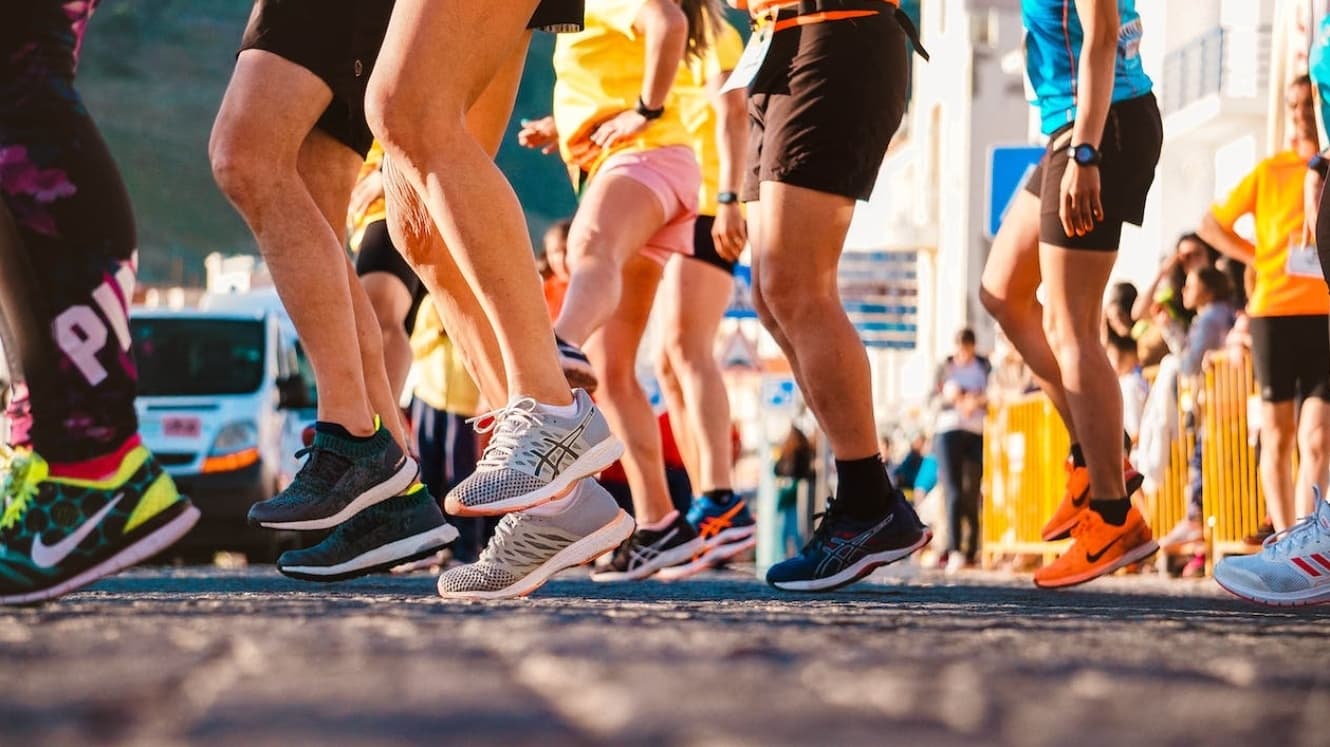
Plantar fasciitis is the most common running injury, and trail runners aren't immune. The combination of uneven surfaces, repeated heel strike on descents, and long mileage creates exactly the conditions where the plantar fascia, the thick band of tissue connecting your heel to your toes, gets overloaded. Choosing the best trail running shoes for plantar fasciitis is one of the few changes you can make today that eases the load straight away.
The right shoes won't cure plantar fasciitis on their own. But the wrong shoes actively make it worse, while the right ones reduce the load on the fascia enough to let you keep running through recovery.
What Makes a Shoe Good for Plantar Fasciitis?
Plantar fasciitis pain typically concentrates at the heel (where the fascia attaches) or along the arch. The injury is caused by repeated tension on the fascia, particularly during the push-off phase of running and on first steps after rest.
Four shoe features directly affect how much load goes through the fascia on each stride:
Heel Cushioning
Adequate heel cushioning absorbs the impact force at heel strike before it travels through the heel bone and into the fascia. Look for at least 25mm of heel stack in the shoe you're considering. This is especially important on trail where heel strikes on rocks or roots are unavoidable.
Arch Support
The fascia stretches most during the pronation phase when the arch flattens under load. Arch support reduces this stretch. A supportive midsole geometry with a moderate arch profile reduces tension at the fascia's origin without requiring a rigid orthotic. If your arches collapse heavily, it's worth reading our guide to the best trail running shoes for overpronation, since the two problems often overlap.
Heel Drop
Higher heel-to-toe drop (8-12mm) reduces stretch on the Achilles tendon and, by extension, the plantar fascia. This is why running in zero-drop shoes often aggravates plantar fasciitis, particularly during the acute phase of injury. If you run in low-drop shoes normally, don't switch abruptly. Increase drop gradually as part of recovery.
Rocker Geometry
A rockered outsole, where the toe and heel curve upward, reduces the extension required at the ankle during push-off. This directly reduces the load on the plantar fascia during the most stressful phase of the stride.
Best Trail Running Shoes for Plantar Fasciitis
Top Trail Shoes for Plantar Fasciitis

Hoka Speedgoat 6
$155
?Estimated price — check latest price on Amazon
Moderate to severe plantar fasciitis, technical trail
Pros
- ✓Maximum cushioning platform, 32mm heel stack
- ✓Aggressive Vibram lug outsole for technical trail
- ✓Meta-Rocker geometry reduces push-off stress
- ✓Excellent heel-to-toe transition
Cons
- ✕Expensive at $155
- ✕High stack reduces ground feel on technical terrain
Brooks Cascadia 17
$130
?Estimated price — check latest price on Amazon
Runners wanting balance of cushioning and ground feel
Pros
- ✓DNA Loft cushioning with TrailTack outsole
- ✓Integrated arch support and heel structure
- ✓Good 10mm heel drop for fascia protection
- ✓Durable and proven on varied trail
Cons
- ✕Heavier than Hoka alternatives
- ✕Less cushioning than maximalist options

ASICS Gel-Sonoma 8
$75
?Estimated price — check latest price on Amazon
Budget-conscious runners with mild plantar fasciitis
Pros
- ✓Rearfoot GEL cushioning at the heel strike zone
- ✓AMPLIFOAM midsole provides arch support
- ✓Good value at under $80
- ✓Reliable in wet conditions
Cons
- ✕Less cushioned than premium options
- ✕Heavier construction
Hoka Speedgoat 6: Best Cushioning for Plantar Fasciitis
Hoka's Speedgoat 6 has become the go-to recommendation for runners with plantar fasciitis because the combination of maximum cushioning and Meta-Rocker geometry addresses both main pain triggers. The 32mm heel stack absorbs ground impact before it reaches the fascia, and the rocker geometry means less ankle extension on push-off.
The Vibram Megagrip outsole makes it a genuinely capable trail shoe, not just a padded road shoe with token lugs. It handles wet rock, rooted singletrack, and muddy trail competently. The upper fit is secure without being compressive.
The price is high at $155. But if you're choosing between a physio appointment and a pair of shoes, the shoes might actually achieve more in the short term by reducing repetitive load on the injury site.
Brooks Cascadia 17: Best All-Round Trail Performance
The Cascadia 17 is Brooks's long-running technical trail shoe with a proven track record across thousands of reviews from real hikers and trail runners. The DNA Loft cushioning is less extreme than Hoka's maximalist stack but provides more than enough heel protection for moderate plantar fasciitis cases.
The 10mm heel drop is appropriate for plantar fasciitis recovery, maintaining the reduced Achilles tension that helps the fascia heal. The TrailTack outsole handles roots, rock, and trail debris well, and the overall shoe is more versatile across terrain types than the Speedgoat.
For anyone who finds Hoka's high-stack feel disorienting on technical terrain, the Cascadia is the natural alternative.
ASICS Gel-Sonoma 8: Best Budget Option
The Gel-Sonoma 8 doesn't match the cushioning depth of Hoka or the all-terrain versatility of the Cascadia, but at under $80 it provides meaningful heel cushioning and arch support at a price that's accessible to anyone.
The rearfoot GEL unit is ASICS's proven heel cushioning technology, and the AMPLIFOAM midsole provides a structured arch profile. For mild plantar fasciitis on moderate trail, this is a functional option that won't require a major budget commitment.
The Role of Insoles
Even the best shoe for plantar fasciitis benefits from a supportive insole. Most factory insoles are thin foam with no meaningful arch support. Replacing the insole with a Superfeet Green (high arch), Superfeet Blue (neutral), or a custom orthotic from a podiatrist can transform how a shoe handles plantar fasciitis.
This matters particularly on trail shoes, where the outsole stiffness is designed for protection rather than support. The insole handles arch support; the shoe handles cushioning and traction. Done right, this combination often outperforms either component alone.
Running Through Plantar Fasciitis: What's Safe?
Light trail running on softer surfaces (packed dirt, grass, light gravel) is generally manageable with proper footwear and a reduced load plan. Avoid hard, rocky, or root-heavy terrain during acute phases, where the impact variability increases stress on the fascia unpredictably.
Reduce mileage by 30-50% and eliminate interval or hill repeat sessions until morning pain subsides. Morning pain (first steps getting out of bed) is the best indicator of recovery progress. When morning pain reduces to below 3/10, you can cautiously increase volume.
For general footwear principles and how shoe features affect injury risk, our ankle support myth post looks at the research in a way that applies to trail running as much as hiking.
Plantar fasciitis is frustrating, but it's manageable with the right combination of footwear, insoles, and load management. Start with the heel cushioning and drop changes outlined above, add calf stretching morning and evening, and give recovery 8-12 weeks before drawing conclusions. Most runners with plantar fasciitis return to full mileage.
Last updated on June 21, 2026.

Jasper Baetens
Hiking enthusiast from Belgium, mainly active in Europe. Created HikeHeaven to share experiences, research, tips, tricks and product recommendations, or simply to help other hikers.