Altra vs Topo Athletic: Which Brand Fits You Best?
Altra vs Topo Athletic compared across trail shoes, road runners, cushioning, and fit. Discover which natural running brand matches your stride and budget.

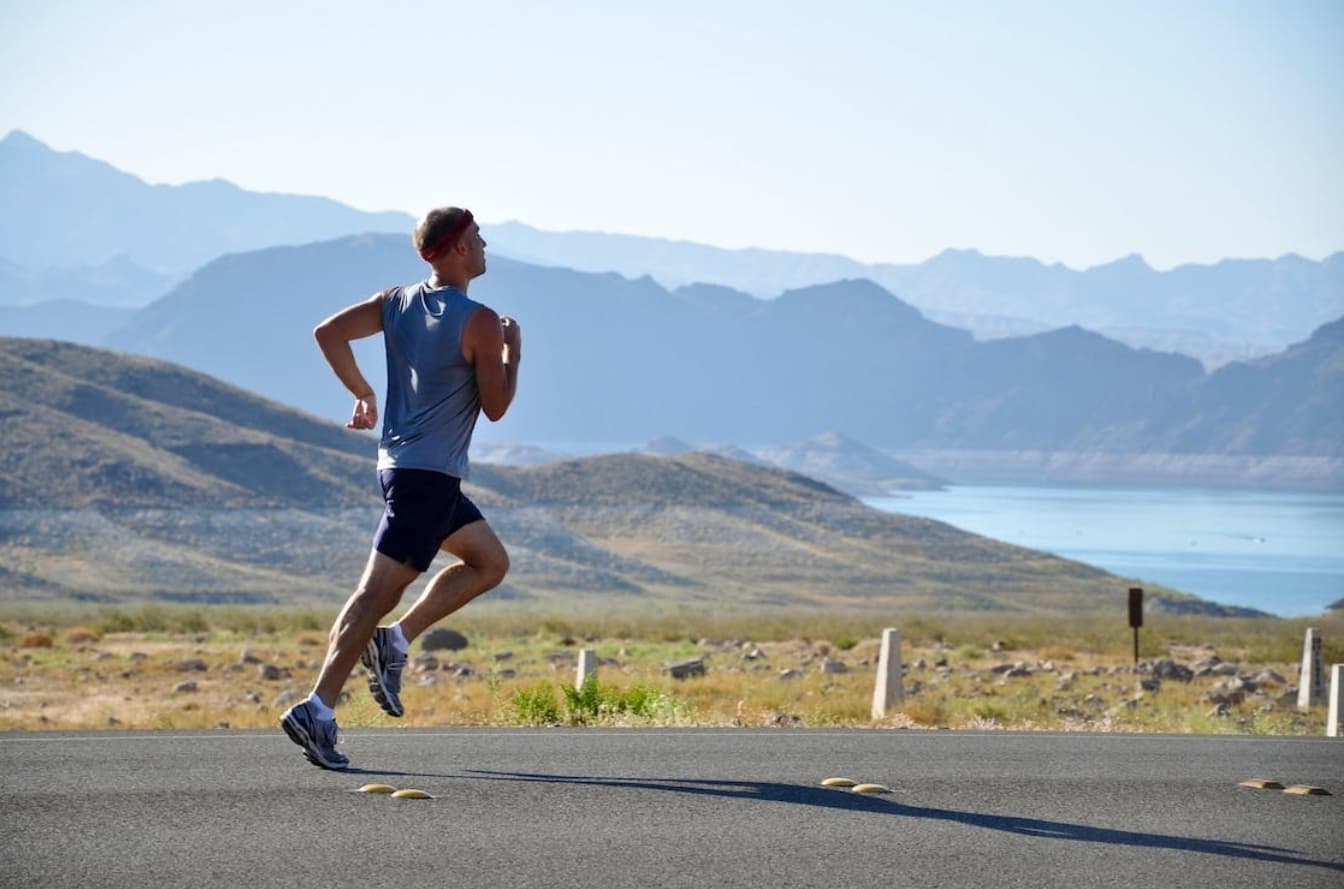
Altra vs Topo Athletic is a comparison that comes up constantly in trail running and natural footwear circles, and for good reason. Both brands champion foot-shaped toe boxes and low or zero-drop platforms, putting them in the same philosophical camp. Yet the two take meaningfully different approaches to cushioning, fit, and ride feel. If you're trying to decide between them, this guide breaks down every angle: philosophy, cushioning, traction, fit, and specific models worth considering.
Brand Philosophy
Understanding what each brand believes about running form helps explain why their shoes feel different on your feet.
Altra: Zero Drop, Zero Compromise
Altra was founded in 2009 with a single conviction: the human foot works best when heel and forefoot sit at the same distance from the ground. Every shoe Altra makes features a zero-drop platform (0 mm heel-to-toe differential), which encourages a midfoot or forefoot strike rather than the heavy heel strike that traditional running shoes promote.
Altra pairs this with their FootShape toe box, a wider, foot-shaped design that lets your toes splay naturally on impact. The combination of zero drop and a roomy toe box is designed to reduce common running injuries, improve alignment, and let your feet function the way they evolved to.
Topo Athletic: Natural With a Safety Net
Topo Athletic, founded in 2013, shares Altra's respect for natural foot mechanics but takes a slightly more conservative approach. Most Topo shoes feature a zero to low-drop platform (0 to 5 mm), and the toe boxes are roomier than mainstream brands, though typically a touch narrower than Altra's.
Where Topo differs most is in the midfoot and heel fit. While Altra prioritises space across the entire foot, Topo wraps the midfoot and heel more snugly, providing a more traditional locked-in feel. This makes Topo an appealing bridge for runners transitioning from conventional shoes to natural footwear.
Cushioning and Ride Feel
Cushioning is one of the clearest differences between these two brands, and it heavily influences which one you'll prefer.
Altra Cushioning
Altra uses its proprietary EGO midsole foam across most of the lineup. EGO foam strikes a balance between softness and responsiveness. It's plush enough for long ultra-distance runs, yet bouncy enough that shorter efforts don't feel sluggish.
The overall ride tends to be softer and more forgiving, making Altra a favourite among ultramarathon runners and hikers who spend long hours on their feet. If comfort and cushion are your priorities, Altra generally delivers more of both.
Topo Athletic Cushioning
Topo uses a combination of ZipFoam (their proprietary compound) and standard EVA foam depending on the model, paired with Vibram rubber outsoles. The result is a firmer, more responsive ride compared to Altra's plush feel.
This firmness isn't a negative. It translates into a snappier, more agile sensation underfoot. Runners who want to feel connected to the ground while still having protection from rocks and roots tend to gravitate toward Topo's firmer platform.
Altra vs Topo Athletic: Cushioning
Altra
Long-distance runners and ultramarathon athletes
Pros
- ✓Plush EGO midsole foam for long-distance comfort
- ✓Excellent energy return on extended runs
- ✓Better shock absorption on hard surfaces
- ✓Forgiving ride that reduces fatigue over time
Cons
- ✕Can feel soft or mushy for speed work
- ✕Less ground feel than firmer alternatives
- ✕Cushioning may compress with high mileage
Topo Athletic
Runners wanting responsive ground feel with protection
Pros
- ✓Responsive ZipFoam and Vibram outsole combination
- ✓Better ground feel and proprioception
- ✓Snappier ride for varied pace training
- ✓More stable platform for technical terrain
Cons
- ✕Firmer ride may fatigue feet on very long runs
- ✕Less cushioning for heavy impact absorption
- ✕EVA foam in some models lacks durability
Traction and Durability
Both brands take traction seriously, but they use different outsole technologies to achieve it.
Altra Outsoles
Altra equips most trail models with MaxTrac rubber outsoles featuring multi-directional lug patterns. The grip is excellent across muddy trails, loose gravel, and wet rock. Durability is strong: MaxTrac holds up well over hundreds of miles, though aggressive rocky terrain will wear any outsole down eventually.
The Altra Lone Peak 9, for example, includes a removable stone guard for extra underfoot protection on rocky trails, which is a thoughtful addition for runners who alternate between smooth and technical terrain.
Topo Athletic Outsoles
Topo Athletic partners with Vibram for outsole rubber on many of its trail models, and that partnership pays dividends. Vibram's XS Trek rubber compound is an industry benchmark for grip and longevity. The lug patterns on Topo shoes tend to be slightly less aggressive than Altra's, which makes them more versatile across trail and road surfaces.
The Topo Terraventure 4 uses Vibram XS Trek rubber with a standard lug pattern that handles everything from forest single-track to light road sections with confidence.
Durability Verdict
Both brands produce durable shoes, but Topo's Vibram outsoles have a slight edge in raw longevity. Altra's MaxTrac rubber is excellent, yet Vibram's reputation for outlasting most competitors is well-earned. If you're a high-mileage runner who burns through outsoles, Topo may stretch your investment further.
Upper Construction and Breathability
Altra Uppers
Altra favours lightweight engineered mesh uppers with strategic ventilation zones. The construction prioritises breathability and quick drying, both important for trail runners who regularly encounter stream crossings, puddles, and heavy perspiration.
The uppers are generally thin and flexible, which keeps weight down but can sacrifice a bit of structure. On very technical terrain, you may notice the foot shifting inside the shoe more than it would in a stiffer-upper shoe.
Topo Athletic Uppers
Topo takes a more balanced approach, combining mesh panels with synthetic overlays that add structure around the midfoot and heel. The result is a shoe that breathes well but also holds the foot more securely during lateral movements and descents.
For runners who value a locked-in feel without sacrificing too much ventilation, Topo's upper construction is a strong point.
Fit and Sizing
Fit is perhaps the most personal aspect of shoe selection, and it's where these two brands diverge most noticeably.
Altra Fit
Altra's FootShape toe box is famously generous. If you've ever felt your toes crammed together in a running shoe, Altra's wide forefoot will feel like a revelation. The roomy design lets toes splay naturally on impact, reducing blisters, hotspots, and black toenails, all common complaints among distance runners.
The wider fit extends throughout the shoe, so runners with narrow feet may find Altra shoes feel loose or sloppy, particularly in the midfoot and heel.
Topo Athletic Fit
Topo Athletic offers a roomier-than-average toe box, wider than most mainstream brands, but noticeably narrower than Altra's. The midfoot and heel area is more structured and snug, providing a secure, traditional-feeling lockdown.
This makes Topo an excellent option for runners who want more toe room than brands like Nike or Brooks offer, but who don't need (or want) Altra's maximally wide fit. It's a middle ground that works for a wide range of foot shapes.
Trail Shoes Compared
Let me highlight one standout trail model from each brand.
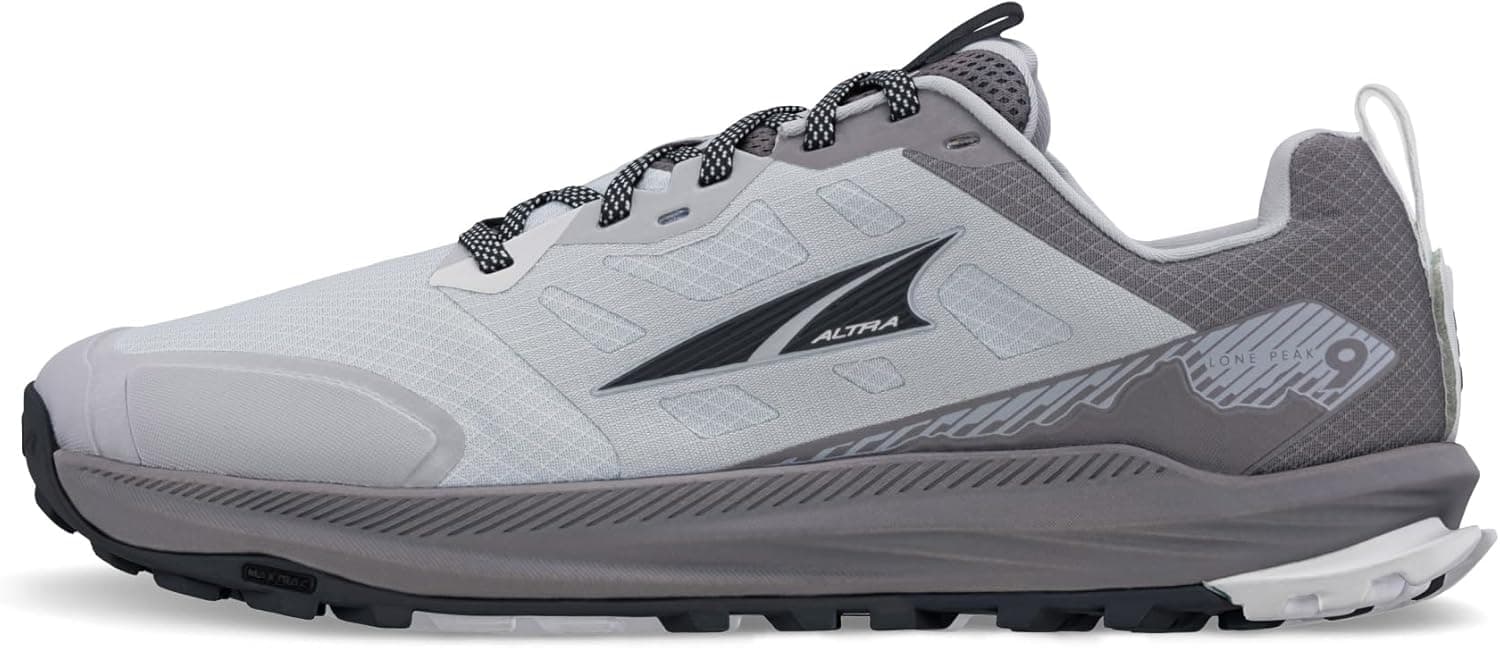
Altra Lone Peak 9
The Altra Lone Peak 9 is Altra's flagship trail runner and one of the most popular natural trail shoes on the market. Key specs:
- Drop: 0 mm (zero drop)
- Midsole: EGO foam for responsive cushioning
- Outsole: MaxTrac rubber with multi-directional lugs
- Features: Removable stone guard, reflective heel tab, quick-drying upper, breathable mesh
- Best for: All-round trail running from easy paths to moderate technical terrain
The Lone Peak is a solid all-rounder and a great entry point into minimalist trail running. If you're still working out what to look for, our trail running shoe guide covers the fundamentals. The one caveat: runners with narrow feet may find the wide FootShape toe box too spacious.
Topo Terraventure 4
The Topo Terraventure 4 is Topo's cushioned low-drop trail option for runners who want protection without losing connection to the ground. Key specs:
- Drop: 3 mm (low drop)
- Midsole: ZipFoam for protective, responsive cushioning
- Outsole: Vibram XS Trek rubber with multi-directional lugs
- Features: Snug midfoot with roomy toe box, protective rock plate, lightweight mesh upper
- Best for: Trail runs up to 10 to 15 miles, including more technical terrain
The Terraventure 4 delivers a stable, protective ride that still keeps you in touch with the trail. The 3 mm drop and underfoot rock protection make it a confident choice on rocky, technical ground while staying close to natural footwear principles.
Trail Shoe Showdown: Lone Peak 9 vs Terraventure 4
Altra Lone Peak 9
$140
?Estimated price — check latest price on Amazon
All-round trail running and ultra distances
Pros
- ✓Generous FootShape toe box for natural splay
- ✓Removable stone guard for versatile protection
- ✓MaxTrac outsole with excellent multi-terrain grip
- ✓Proven performer for ultra-distance events
- ✓Quick-drying upper for stream crossings
Cons
- ✕Too wide for narrow-footed runners
- ✕Cushioning can feel soft for speed work
- ✕Upper lacks structure on very technical terrain
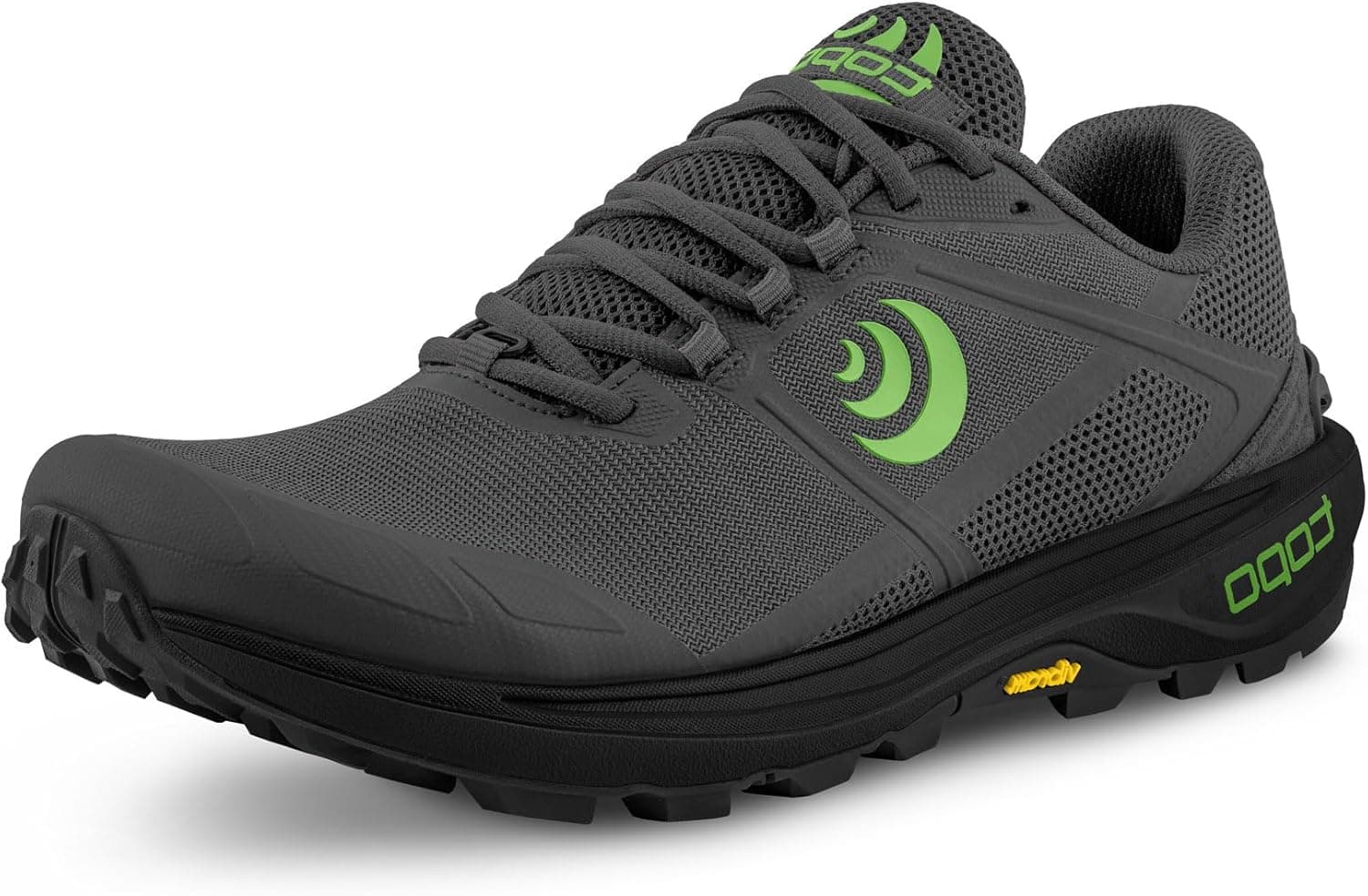
Topo Terraventure 4
$110
?Estimated price — check latest price on Amazon
Moderate to technical trail runs up to 10-15 miles
Pros
- ✓Vibram XS Trek outsole for durable grip
- ✓Snug midfoot provides secure lockdown
- ✓Responsive ZipFoam cushioning underfoot
- ✓Rock plate protects on technical terrain
- ✓Roomy toe box with a structured fit
Cons
- ✕3 mm drop, not fully zero drop
- ✕Firmer ride than Altra's plush feel
- ✕Lace eyelets can produce noise when tightening
Road Shoes Compared
Both brands also offer compelling road running options for natural footwear enthusiasts.
Altra Escalante 3
The Altra Escalante 3 is Altra's versatile zero-drop road trainer. It features a soft knit upper, EGO midsole foam (slightly firmer than previous versions), and extensive rubber outsole coverage for wet surface traction. The fit is true to size with Altra's signature roomy toe box.
Best for: Daily training runs and marathon-pace efforts. Not ideal for intervals or speed work.
Topo Magnifly 5
The Topo Magnifly 5 is Topo's zero-drop road and everyday trainer with a 0 mm drop. It's lightweight and nimble, delivering a natural, ground-connected feel with enough cushioning for daily miles. The foam provides protection without losing the responsive sensation that zero-drop runners value, and a breathable mesh upper keeps it comfortable on warm days.
Best for: Daily training and everyday wear. A solid road choice for runners who want zero drop without committing to a true racing flat.
Price Comparison
Topo Athletic generally comes in around 20% cheaper than Altra when comparing equivalent models. Here's a rough guide:
| Category | Altra Range | Topo Athletic Range |
|---|---|---|
| Trail running shoes | $130 to $170 | $100 to $140 |
| Road running shoes | $130 to $160 | $100 to $130 |
| Ultra/max cushion | $150 to $180 | $120 to $150 |
For budget-conscious runners, this price gap is significant, especially if you rotate between multiple pairs (which many serious runners do). Topo delivers strong value without cutting corners on outsole technology or build quality.
Altra vs Topo Athletic: Which Brand Should You Choose?
Choose Altra if:
- You want the widest possible toe box for natural toe splay
- Long-distance comfort and plush cushioning are your priorities
- You run ultra-distance events or spend extended hours on trails
- You've fully committed to zero-drop running
- You prefer a softer, more forgiving ride
Choose Topo Athletic if:
- You want natural footwear with a more traditional midfoot and heel fit
- You prefer a firmer, more responsive ride feel
- You're transitioning from conventional shoes and want a gentler adjustment
- Budget is a factor: Topo offers similar quality at lower prices
- You value Vibram outsole durability for high mileage
The honest answer: both brands make excellent shoes, and the differences are more about preference than quality. If possible, try one model from each brand. Your feet will tell you which approach suits them better, and that's worth more than any comparison article. If you're also weighing up broader brand choices for boots and clothing, our Salomon vs Columbia comparison covers two of the most popular mainstream outdoor brands.
Frequently Asked Questions
Last updated on June 21, 2026.

Jasper Baetens
Hiking enthusiast from Belgium, mainly active in Europe. Created HikeHeaven to share experiences, research, tips, tricks and product recommendations, or simply to help other hikers.