Salomon Quest Element GTX Review: Tested on Trail
Our hands-on Salomon Quest Element GTX review. Lighter and cheaper than the Quest 4 GTX, with Gore-Tex waterproofing and solid traction. Worth it?

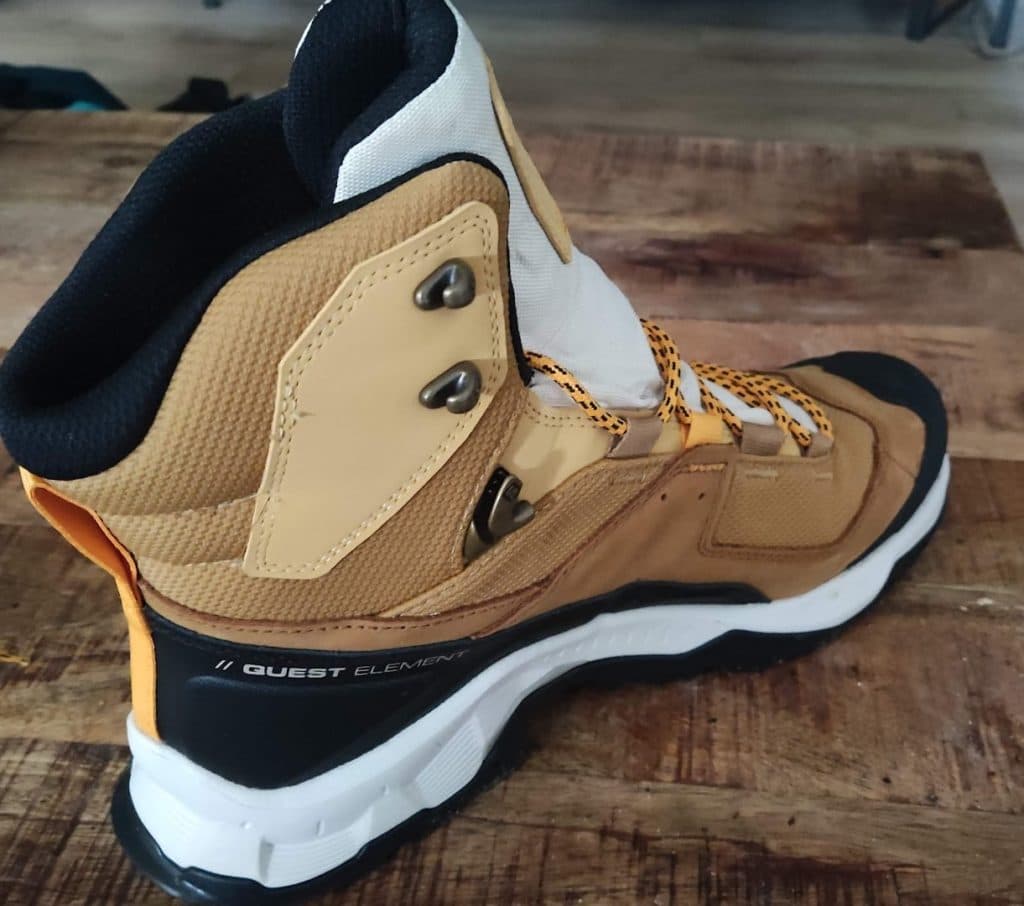
This Salomon Quest Element GTX review covers the younger, lighter sibling of one of the most celebrated hiking boots around: the Salomon Quest 4 GTX. If you've been eyeing the Salomon Quest Element GTX but found yourself put off by the weight or price tag of its bigger sibling, this boot deserves your attention. It trades a touch of support and protection for a noticeably lighter build, and the result is a genuinely capable all-round hiking boot that punches above its weight class.
I've spent well over 100 miles in these boots across varied terrain and conditions. Dry summer trails, muddy woodland paths, snowy winter tracks. So I'm confident I can give you an honest picture of what to expect.
Performance on the Trail
Comfort
The Quest line from Salomon has built a solid reputation for comfort, and the Quest Element lives up to it. My very first impression when I slipped these on was simply: "yes, that's comfortable." The cushioning is supportive without feeling stiff, and the boot moulds nicely around the foot.
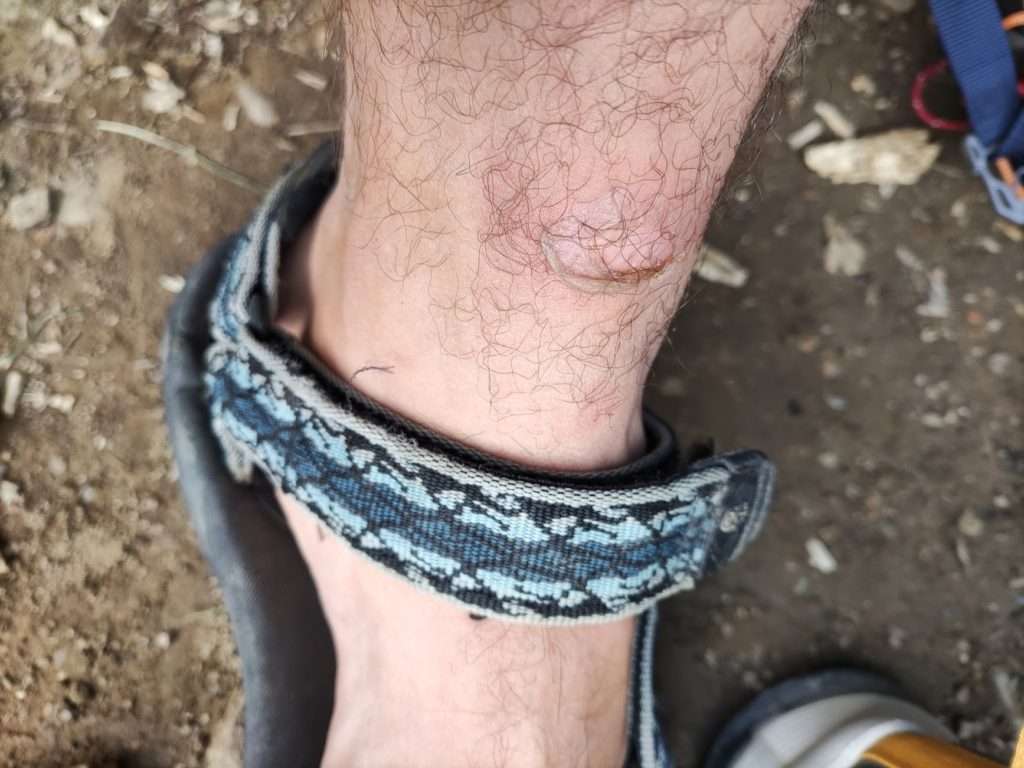
That said, I'll be upfront. I did develop a couple of blisters during my first two long days on the trail. In hindsight, I'd laced the boots a touch too tightly, which created friction around the front of the foot. Once I loosened things slightly and found the right balance, the discomfort disappeared entirely. If you're new to stiffer boots, our guide on how to break in hiking boots walks through the same process.
Traction and Grip
When it comes to grip, the Quest Element performs remarkably similarly to the much-praised Quest 4 GTX, and that's no accident. Both boots use Salomon's Contagrip outsole, and it shows. On rocky scrambles, loose gravel, and damp forest floors, I consistently felt confident and secure. There was never a moment where I questioned whether the boot would hold.
I should note that I'm not one to deliberately push my luck in truly treacherous wet conditions, so I can't speak to the absolute limits of the grip. But for the vast majority of hiking scenarios, the traction is excellent. It's as simple as that.

The one caveat worth mentioning is outsole durability. After roughly 100 miles, I noticed some visible signs of wear on the rubber. It's not a dealbreaker, but it does suggest the outsole may not be the longest-lasting component of this boot. More on that in the durability section below.
Waterproofing and Breathability
The Quest Element features a Gore-Tex membrane, and it delivers exactly what you'd expect from a well-constructed waterproof boot. Throughout my testing, including light rain, damp grass, and the occasional stream crossing, not a drop of water made it through. The waterproofing is reliable and confidence-inspiring.
Then there's the trade-off. As with virtually any Gore-Tex hiking boot, breathability is limited. On warmer days, your feet will get warm. That's simply the nature of waterproof membranes, and the Quest Element is no exception. I'd describe the breathability as perfectly acceptable for a boot in this category. You're not going to be uncomfortable, but don't expect the airflow of a trail runner.
Stability and Ankle Support
Let's be clear: if you place the Quest Element next to the Quest 4 GTX, you'll notice a difference in rigidity and overall protection. The Quest 4 is built like a tank, with a higher sole, sturdier construction and all-metal lace eyelets. The Quest Element is lighter, and that necessarily means some compromises in this department.
However, the Quest Element still offers a very respectable level of support and stability. For the average hiker tackling day hikes and moderate multi-day routes, I found it more than adequate, even on rougher, rockier terrain. Everyone's needs are different, of course. If you're regularly navigating highly technical mountain paths with heavy loads, the Quest 4 is probably the better choice. But for most hikers, the Quest Element provides an excellent balance. If you're not sure how much support you actually need, our piece on the ankle support myth is worth a read.
Weight: The Sweet Spot
This is where the Quest Element really carves out its niche. The Salomon Quest Element GTX weighs 1,010g (2.22 lbs) per pair, making it 23% lighter than the Quest 4 GTX while sharing the same Contagrip outsole technology. It sits neatly between the heavier Quest 4 GTX (2.88 lbs) and the much lighter Salomon X Ultra 4 Mid (1.85 lbs). If you want more protection and ankle support than a mid-cut hiking shoe can offer, but you don't fancy lugging around a full-weight mountaineering-style boot, the Quest Element hits a genuinely appealing sweet spot.
You'll notice the difference on longer days. Those saved grams add up over the miles, and your legs will thank you for it.
Durability: The Weak Spot
This is the section where I have to be the most candid. After my initial 100 miles, the boots were holding up well. Minor outsole wear aside, there was no significant damage to the upper, the stitching, or the waterproof membrane.
After additional hiking in snowy conditions and cold temperatures, though, I noticed that small pieces of the outsole rubber had started to come away. It's not catastrophic, and the boots remain perfectly functional, but it's a clear sign that the outsole is the weak point of this boot. Whether the cold played a role is hard to say definitively, but the wear pattern accelerated noticeably.
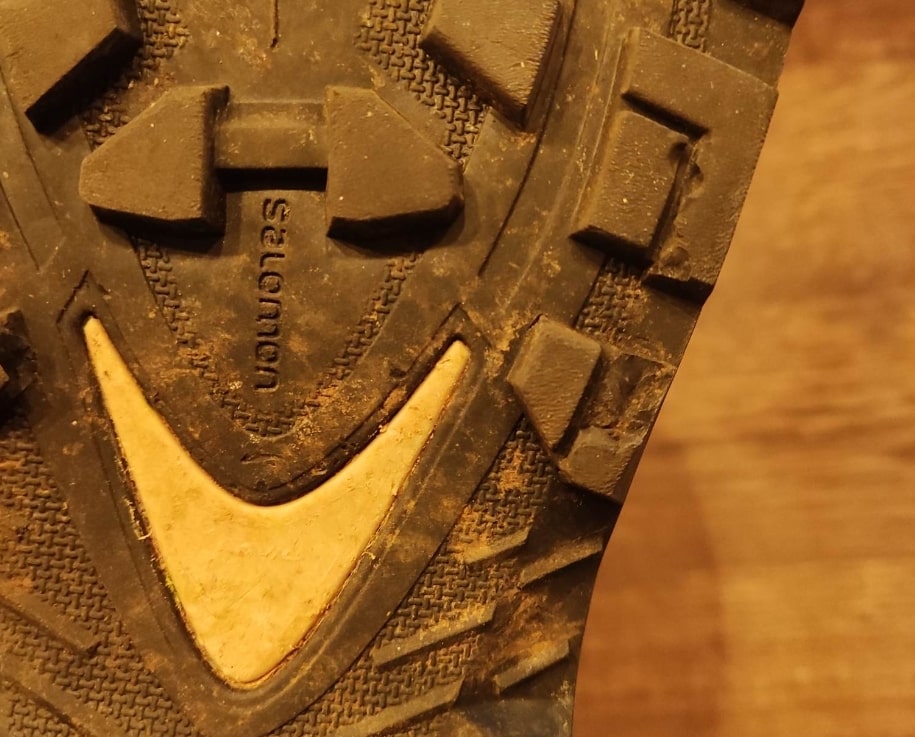
The outsole durability is, in my view, the most significant drawback of the Quest Element. Everything else, including the upper, the stitching and the waterproof membrane, has held up admirably.
Fit and Sizing
The Quest Element fitted me largely as expected, true to size and comfortable out of the box. One thing to be aware of is that Salomon doesn't offer wide or narrow variants of this boot, so if you typically need a non-standard width, it's worth trying them on in person before committing.
As I mentioned earlier, I initially laced the boots too tightly, which caused some friction and blistering around the forefoot. My advice: start with a moderately loose lace and tighten gradually until you find the right balance. Once I dialled in the fit, the boots were superb.
Salomon Quest Element GTX vs Quest 4 GTX
If you're researching the Quest Element, there's a good chance you also want to know how it compares to the Salomon Quest 4 GTX. Here's a side-by-side breakdown.
Quest Element GTX vs Quest 4 GTX
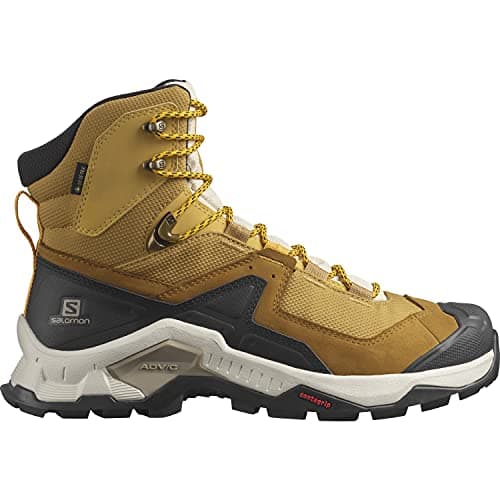
Salomon Quest Element GTX
$160
?Estimated price — check latest price on Amazon
Day hikes and moderate multi-day trails
Pros
- ✓Lightweight at 1,010g (2.22 lbs) per pair
- ✓Gore-Tex waterproofing with nubuck leather upper
- ✓Contragrip outsole for reliable traction
- ✓Comfortable out of the box with minimal break-in
- ✓More affordable at around $160
Cons
- ✕Outsole durability issues after 100+ miles
- ✕No wide or narrow width options available
- ✕Less protection on technical terrain
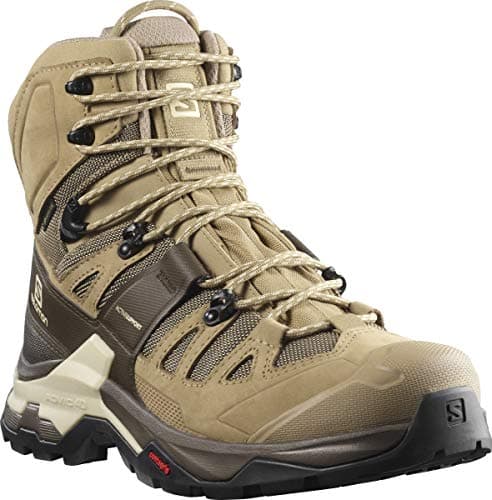
Salomon Quest 4 GTX
$230
?Estimated price — check latest price on Amazon
Multi-day backpacking and rugged terrain with heavy packs
Pros
- ✓Superior ankle protection and stability
- ✓More durable construction for heavy loads
- ✓Same excellent Contragrip outsole
- ✓All-metal lace eyelets for secure fit
- ✓Proven performer on rugged terrain
Cons
- ✕Heavier at 1,310g (2.88 lbs) per pair
- ✕Higher price point at around $230
The Verdict
The Salomon Quest Element GTX is a genuinely impressive hiking boot that occupies a clever middle ground. It's lighter and more affordable than the Quest 4 GTX, yet offers meaningfully more support and protection than lighter alternatives like the X Ultra 4 Mid. The comfort is excellent, the waterproofing is reliable, and the traction inspires confidence on virtually any trail.
At roughly $160, the Salomon Quest Element GTX costs approximately $70 less than the Quest 4 GTX ($230), making it the more budget-friendly option for hikers who do not need maximum ankle protection.
The outsole durability is a legitimate concern, and it's the one area where I'd like to see Salomon improve in future iterations. But taken as a whole, this is a boot I'd happily recommend to any hiker looking for a versatile, well-rounded companion for day hikes and moderate multi-day routes alike.
If you spot the Quest Element on promotion, it becomes an even easier recommendation. At full price it's already good value, and at a discount it's a steal.
If you're interested in buying these boots, Amazon usually has the best price: Salomon Quest Element GTX on Amazon.
What I Liked:
- Excellent grip thanks to the Contagrip outsole
- Genuinely comfortable once the fit is dialled in
- Great weight-to-support ratio, lighter than the Quest 4 without feeling flimsy
- Reliable Gore-Tex waterproofing
- More affordable than the Quest 4 GTX
What Could Be Better:
- Outsole durability is the clear weak point, with visible wear after 100+ miles
- Initial blistering if laced too tightly (avoidable with proper adjustment)
- No wide/narrow fit options available
Frequently Asked Questions
Last updated on June 21, 2026.

Jasper Baetens
Hiking enthusiast from Belgium, mainly active in Europe. Created HikeHeaven to share experiences, research, tips, tricks and recommend products — or simply to help other hikers.