Best Comfortable Hiking Shoes for All-Day Trail Use
Find the best comfortable hiking shoes for long trail days. Compare cushioning, fit, and toe box room to cut foot fatigue and avoid blisters.

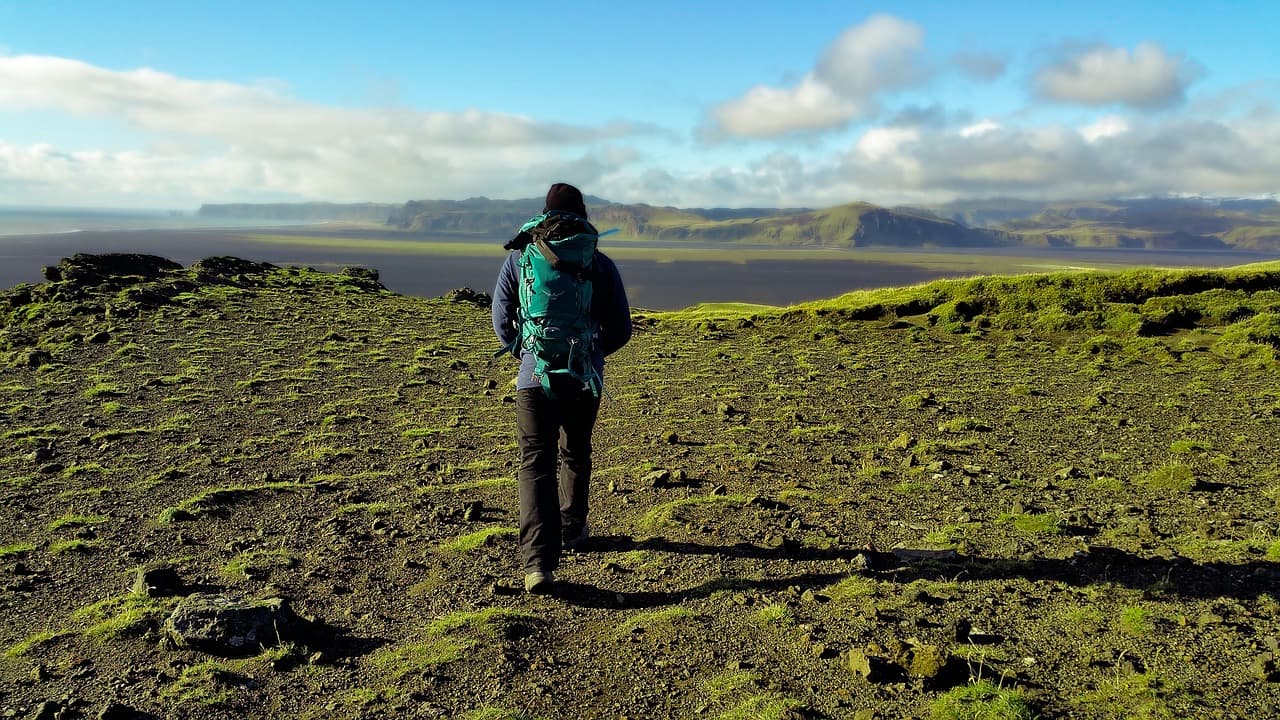
Comfort in hiking footwear is about more than softness. A shoe that feels plush in a shop can leave you with blisters and aching feet after 15km. The best comfortable hiking shoes combine the right last width for your foot, cushioning that doesn't collapse, proper heel lockdown, and a fit that doesn't need a painful break-in period.
These are the shoes that earn consistently high marks for all-day comfort from hikers who actually wear them on long days.
What Makes a Hiking Shoe Comfortable Over Long Distances?
Last Width and Toe Box Room
Your feet swell during hiking, typically 1-2 shoe sizes in volume over a full day. A shoe that fits perfectly in the morning becomes tight by afternoon if the toe box is narrow. The most comfortable hiking shoes have a roomy toe box that allows your toes to splay naturally and accommodate mid-hike swelling.
Brands known for wider lasts: Keen (famously wide toe box), Altra (foot-shaped last with zero drop), Merrell (medium width, consistently comfortable for a wide range of foot shapes), New Balance (multiple width options).
Brands known for narrower lasts: Salomon (narrow to medium), La Sportiva (narrow, suited to technical climbing-oriented feet).
Cushioning That Lasts All Day
Midsole compression is the most common cause of foot fatigue on long hikes. The cushioning that felt great in the morning compresses under load over 6-8 hours, and the foot ends the day working on a much harder platform than it started with.
Look for shoes using responsive midsole foams (HOKA's Meta-Rocker + maximalist stack, Merrell's FloatPro foam, Brooks's DNA Loft) rather than basic EVA foam, which compresses faster and doesn't recover as well.
Heel Security
A heel that slips creates friction, blisters, and fatigue from your foot constantly gripping to prevent the shoe from sliding. Heel lockdown comes from a firm, well-fitting heel counter and a lacing system that can be locked at the upper throat. Lace-lock hooks (the small loops near the top of the lacing area) allow you to secure the heel independently from the forefoot.
Breathability
Foot temperature directly affects comfort. Hot, moist feet fatigue faster and blister more easily. Mesh uppers and non-waterproof versions of otherwise waterproof models provide better ventilation in dry, warm conditions.
Most Comfortable Hiking Shoes
Merrell Moab 3: Most Universally Comfortable
The Merrell Moab (short for "Mother of All Boots") has been a bestseller in hiking footwear for over 15 years, largely because Merrell got the last shape right for a broad range of foot types. The medium-width last fits wider feet better than Salomon and narrower feet better than Keen. The EVA foam midsole with an air cushion insert is comfortable from day one with minimal break-in.
At $90, the Moab 3 is accessible. The suede and mesh upper breathes well in the non-GTX version. The Vibram outsole provides reliable grip across a range of trail surfaces.
For most hikers with average foot width, the Moab 3 non-GTX for summer or Moab 3 GTX for wet climates is the safest comfortable shoe recommendation.
Keen Targhee III: Most Comfortable for Wide Feet
Keen's wider last shape is the defining characteristic of the brand. If you've struggled with narrow, pinching hiking shoes from other brands, a Keen shoe is worth trying. The toe cap also provides impact protection that open-mesh uppers lack.
The Targhee III uses Keen's KEEN.DRY waterproof membrane (comparable performance to Gore-Tex at a lower price point), an EVA midsole with a metatomical footbed, and Keen's All-Terrain outsole rubber. The fit is roomy without being sloppy.
Particularly recommended for anyone with bunions, wider forefeet, or foot shapes that find most hiking shoes narrow in the toe box.
Hoka Anacapa Low GTX: Most Comfortable for Long Days
Hoka's trail line is built around maximum cushioning, and the Anacapa Low GTX brings that philosophy to hiking footwear. The 34mm heel stack and extended Meta-Rocker make it the most cushioned option in this category and the best choice for anyone who experiences foot fatigue on hikes longer than 15km.
The Gore-Tex lining is standard, and the upper uses a combination of nubuck leather and synthetic overlays that provide durability without excessive weight. The Vibram Megagrip outsole is reliable on wet rock.
At around $180, it's the premium option in this list. The comfort advantage is real and justified if long days on hard trail are your primary use case.
Most Comfortable Hiking Shoes Compared
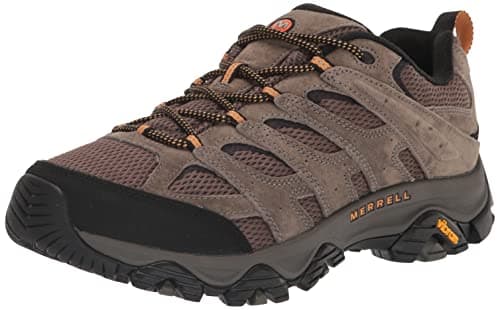
Merrell Moab 3
$90
?Estimated price — check latest price on Amazon
Best all-round comfortable hiking shoe for the money
Pros
- ✓Fits the widest range of foot shapes
- ✓Comfortable from day one, minimal break-in
- ✓Available in GTX and non-GTX versions
- ✓Excellent price for Vibram outsole quality
Cons
- ✕Basic EVA foam compresses over full-day hikes
- ✕Less cushioning than Hoka options
Keen Targhee III
$120
?Estimated price — check Amazon for the latest price
Best comfortable shoe for wide or wide-forefoot feet
Pros
- ✓Wide toe box accommodates broader feet and toe splay
- ✓Toe cap provides protection
- ✓KEEN.DRY waterproofing reliable in wet conditions
- ✓Spacious internal fit
Cons
- ✕Heavier than equivalent Merrell options
- ✕Wider last not suitable for narrow feet
Hoka Anacapa Low GTX
$180
?Estimated price — check Amazon for the latest price
Best for long days, heavy miles, and sensitive feet
Pros
- ✓Maximum cushioning platform for all-day comfort
- ✓Meta-Rocker reduces push-off fatigue over long distances
- ✓Vibram Megagrip outsole
- ✓Premium materials with good durability
Cons
- ✕Expensive at $180
- ✕High stack height reduces ground feel
Insoles and Comfort
The factory insoles in most hiking shoes are flat foam with minimal support. Replacing them with an aftermarket insole transforms comfort, particularly for arch support and heel cushioning. Superfeet Green (high arch), Superfeet Blue (neutral), and Spenco Polysorb insoles are widely used and cost $25-50.
This is the cheapest comfort upgrade available for any hiking shoe. Try it before spending $100+ on a new pair if your current shoes are otherwise well-fitting. If foot fatigue is more about heel and arch pain than fit, our best trail running shoes for plantar fasciitis guide covers the cushioning and support features that help.
How to Ensure a Comfortable Fit When Buying
Buy in the afternoon: Feet are at their largest later in the day. Shoes that fit in the morning may be too tight by afternoon on trail.
Wear your hiking socks: The fit test must be done in the exact socks you'll hike in. Changing sock thickness changes the shoe fit.
Check the toe box: With the shoe on, wiggle your toes. If your little toe touches the side, the shoe is too narrow. If you can feel the toecap when you press forward, the length is correct.
Walk on an incline: Step onto the ramp at a shoe shop or find any slight slope. On descents, your foot slides forward 5-10mm. Check that your toes don't jam into the front.
For complete guidance on breaking in new hiking shoes and preventing blisters from day one, our how to break in hiking boots guide covers the process step by step. And for sock pairing, our best hiking socks guide covers every material and cushioning option.
The most comfortable hiking shoe is the one that fits your specific foot shape correctly. Start with the Merrell Moab 3 for average-width feet, Keen Targhee III for wide feet, and Hoka Anacapa for maximum cushioning priority. Add a quality aftermarket insole to any of these and you'll reduce foot fatigue on long days more effectively than any other single change.
Last updated on June 21, 2026.

Jasper Baetens
Hiking enthusiast from Belgium, mainly active in Europe. Created HikeHeaven to share experiences, research, tips, tricks and recommend products — or simply to help other hikers.