Are Adidas Terrex Waterproof? It Depends on the Model
Find out which Adidas Terrex shoes are waterproof and which aren't. GTX vs non-GTX models compared, plus how to pick the right one.

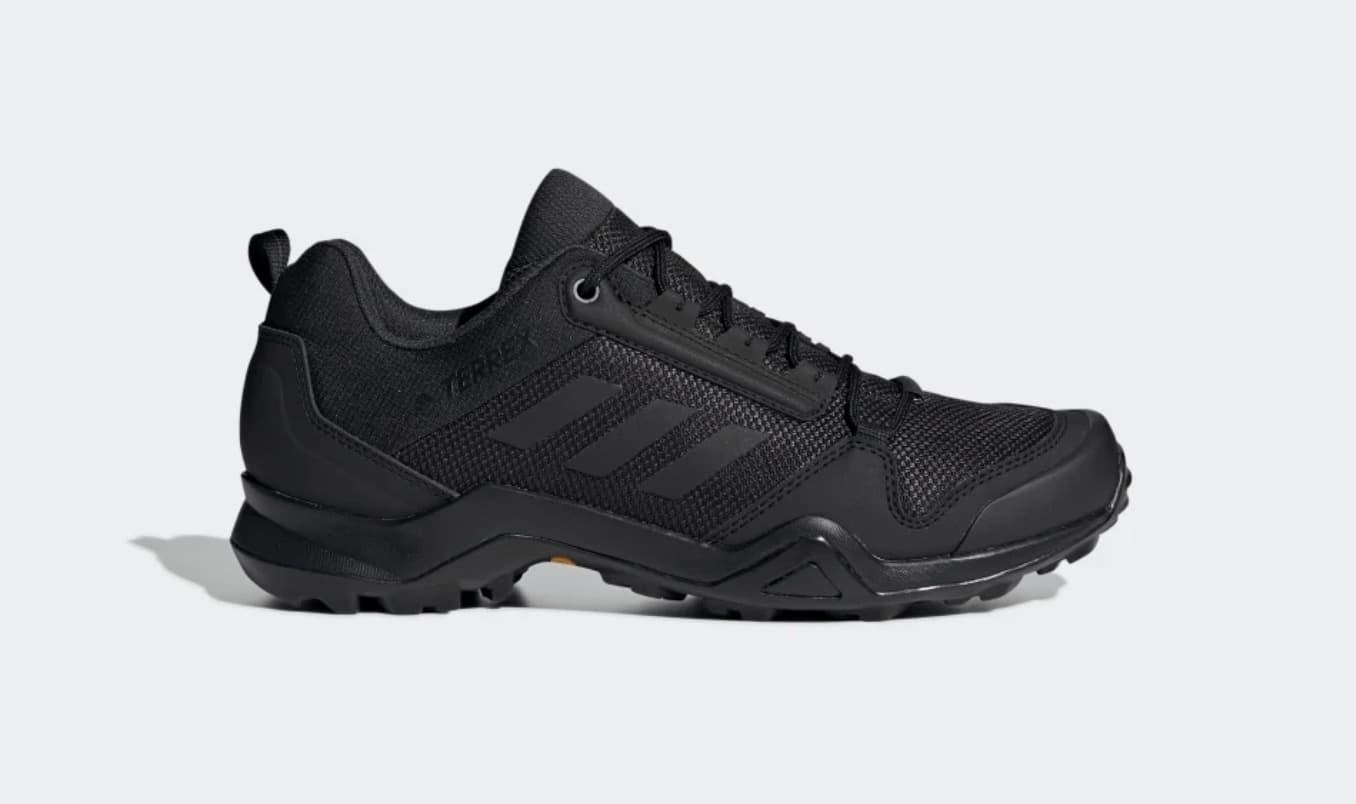
Are Adidas Terrex waterproof? The honest answer is: some are, some aren't. Adidas sells most Terrex models in two versions. The GTX (Gore-Tex) version is fully waterproof. The standard version is not. That three-letter suffix makes all the difference, and missing it is one of the most common buying mistakes in the Terrex range.
Are Adidas Terrex Waterproof? How the Membrane Works
The waterproof Terrex models use Gore-Tex membrane technology, which is the same system you'll find in premium hiking shoes from Salomon and Merrell. Gore-Tex works by sandwiching a thin membrane between the shoe's outer fabric and inner lining. This membrane contains billions of microscopic pores that are too small for liquid water to pass through but large enough for water vapour (sweat) to escape.
In practical terms, Gore-Tex in the Terrex range has a hydrostatic head rating of roughly 20,000mm. To put that in perspective, a shoe only needs a 1,000mm rating to be classified as waterproof. You're getting 20 times the minimum standard.
The non-GTX models rely on the upper material alone. Most use ripstop mesh that's designed for breathability, not water resistance. A light drizzle might bead off for a few minutes, but sustained rain or a puddle crossing will soak through immediately.
Waterproof Terrex Models Worth Considering
Not all GTX models are created equal. Here's a breakdown of the most popular waterproof options in the current Terrex line-up.
Terrex AX4 GTX
The Terrex AX4 GTX is the entry point into Adidas's waterproof hiking range. At around $120, it's competitively priced against the Merrell Moab 3 and Columbia Crestwood WP.
The AX4 GTX pairs its Gore-Tex lining with a Continental rubber outsole, the same compound Continental uses on bicycle and car tyres. On wet rock and slick surfaces, the grip difference between Continental rubber and standard outsoles is immediately noticeable. It weighs approximately 380g per shoe (UK size 9), which keeps it in the lightweight category.
Where it falls short is cushioning on longer hikes. The EVA midsole is adequate for day walks up to 15km, but if you're regularly covering 20km+ you'll want something with more underfoot support.
Terrex Swift R3 GTX
The Terrex Swift R3 GTX steps up the performance at $160. This is Adidas's answer to the Salomon X Ultra 4, built for hikers who want fast, agile footwear on technical terrain.
The Swift R3 GTX combines Gore-Tex waterproofing with a Continental rubber outsole and a more aggressive tread pattern than the AX4. The Lightstrike midsole offers noticeably better energy return, and the heel counter provides solid lockdown on descents.
It runs slightly narrow, particularly through the midfoot. If you have wide feet, try them on in person before committing. The fit is closer to a running shoe than a traditional hiking boot.
Terrex Free Hiker 2
The Terrex Free Hiker 2 is the flagship of the Terrex hiking range at $200. It's a mid-cut design that sits between a shoe and a boot, with a sock-like Primeknit upper and Boost midsole cushioning.
Here's the important detail: the standard Free Hiker 2 is not waterproof. Adidas sells a separate Free Hiker 2 GTX version that includes Gore-Tex. The non-GTX version uses a water-resistant Primeknit upper that handles light moisture but won't keep your feet dry in proper rain.
The Free Hiker 2 GTX is one of the most comfortable waterproof hiking shoes on the market. The Boost midsole, borrowed from Adidas's running line, provides excellent cushioning that doesn't compress over long distances. At 200g heavier than the Swift R3, you're trading some agility for all-day comfort.
Terrex Tracerocker 2
The Terrex Tracerocker 2 is the budget option at around $70. The standard version is not waterproof, and there's no widely available GTX variant of the Tracerocker 2 in most markets.
What you get is a lightweight trail shoe with decent grip and surprisingly good breathability. For dry summer hiking and well-maintained trails, it does the job at half the price of the GTX models. Just don't expect it to handle wet conditions.
GTX vs Non-GTX: Which Should You Choose?
Adidas Terrex GTX vs Non-GTX Models
Terrex AX4 GTX (Waterproof)
$120
?Estimated price — check latest price on Amazon
Rainy climates and mixed-condition day hikes
Pros
- ✓Gore-Tex membrane rated at 20,000mm
- ✓Continental rubber outsole for wet grip
- ✓Solid waterproofing at an accessible price
- ✓Good all-round day hiking performance
Cons
- ✕Less breathable than non-GTX version
- ✕Takes longer to dry if water enters from the top
- ✕EVA midsole lacks cushioning on longer hikes
- ✕Warmer in hot summer conditions
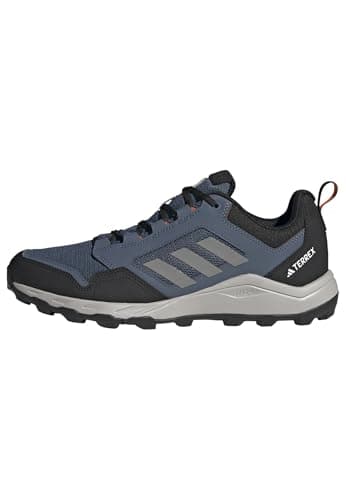
Terrex Tracerocker 2 (Non-Waterproof)
$70
?Estimated price — check latest price on Amazon
Dry summer hikes and budget-conscious hikers
Pros
- ✓Excellent breathability for warm conditions
- ✓Very affordable at around $70
- ✓Lightweight and fast-drying
- ✓Good traction on dry terrain
Cons
- ✕No waterproof membrane at all
- ✕Soaks through quickly in rain
- ✕Less durable upper material
- ✕Limited ankle support
The choice between GTX and non-GTX comes down to where and when you hike. If you live in the UK, Scandinavia, the Pacific Northwest, or anywhere rain is a regular companion, GTX is worth the premium. The AX4 GTX at $120 offers the best value in the waterproof range.
If you mostly hike in dry conditions and value breathability, save the money and go with a non-GTX model. A waterproof membrane always reduces airflow, and on hot days that trade-off isn't worth it.
The Continental Rubber Advantage
One feature that sets the Terrex range apart from many competitors is the Continental outsole. Adidas partnered with Continental, the German tyre manufacturer, to develop rubber compounds specifically for their hiking and trail running shoes.
The result is measurably better grip on wet surfaces compared to generic rubber outsoles. Independent testing shows Continental rubber outperforms standard hiking shoe rubber by roughly 15-20% on wet rock. On dry terrain the difference is less dramatic, but still present.
Every GTX model in the Terrex range uses Continental rubber, which means you're getting both waterproofing from above (Gore-Tex) and better traction below (Continental). The non-GTX Tracerocker 2 also uses a Continental outsole, making it a strong performer on dry trails despite lacking waterproofing.
How Waterproof Is Gore-Tex in Practice?
Gore-Tex is industry-leading, but it isn't magic. Here's what you can realistically expect:
What Gore-Tex handles well:
- Sustained rain during a full-day hike
- Stepping through shallow puddles and wet grass
- Morning dew and muddy trail conditions
- Light stream crossings where water stays below the collar
What will defeat Gore-Tex:
- Submerging the shoe above the collar line (water enters from the top)
- Extended wading in deep water
- Years of use without reproofing the DWR coating
- Damage to the outer fabric that exposes the membrane
The most common complaint about waterproof shoes isn't that the membrane fails. It's that water enters over the top of the shoe on deep puddles or stream crossings. Once water gets inside a Gore-Tex shoe, it takes significantly longer to dry than a non-waterproof shoe because the membrane that keeps water out also traps moisture in.
Which Adidas Terrex Should You Buy?
Your ideal Terrex model depends on three factors: budget, conditions, and hiking intensity.
For wet-weather day hiking on a budget: the Terrex AX4 GTX at $120 is the sweet spot. Reliable waterproofing, Continental grip, and a price that won't sting if you're new to hiking.
For technical terrain and fast hiking: the Terrex Swift R3 GTX at $160 offers the best combination of grip, support, and waterproofing. It's particularly strong on rocky descents.
For all-day comfort on longer hikes: the Terrex Free Hiker 2 (GTX version) at $200 delivers Boost cushioning that you'll appreciate after 20km. Make sure you're buying the GTX variant.
For dry-weather hiking on a budget: the Terrex Tracerocker 2 at $70 is excellent value. Skip the waterproofing and enjoy the breathability.
If you're looking at waterproof gear beyond footwear, our guide to the best 10,000mm waterproof jackets covers the same principles of hydrostatic head ratings and breathability. For a broader look at affordable hiking footwear, check out our guide to cheap hiking shoes and boots. And if you're wondering whether a well-known lifestyle brand like Timberland holds up on the trail, our Timberlands for hiking review covers the key differences.
Last updated on June 21, 2026.

Jasper Baetens
Hiking enthusiast from Belgium, mainly active in Europe. Created HikeHeaven to share experiences, research, tips, tricks and recommend products — or simply to help other hikers.