Can You Hike in Jeans? When It's Fine and When It's Not
Can you hike in jeans? Yes on short, dry, warm trails. Here's when denim turns risky, why cotton fails when wet, and what to wear instead.

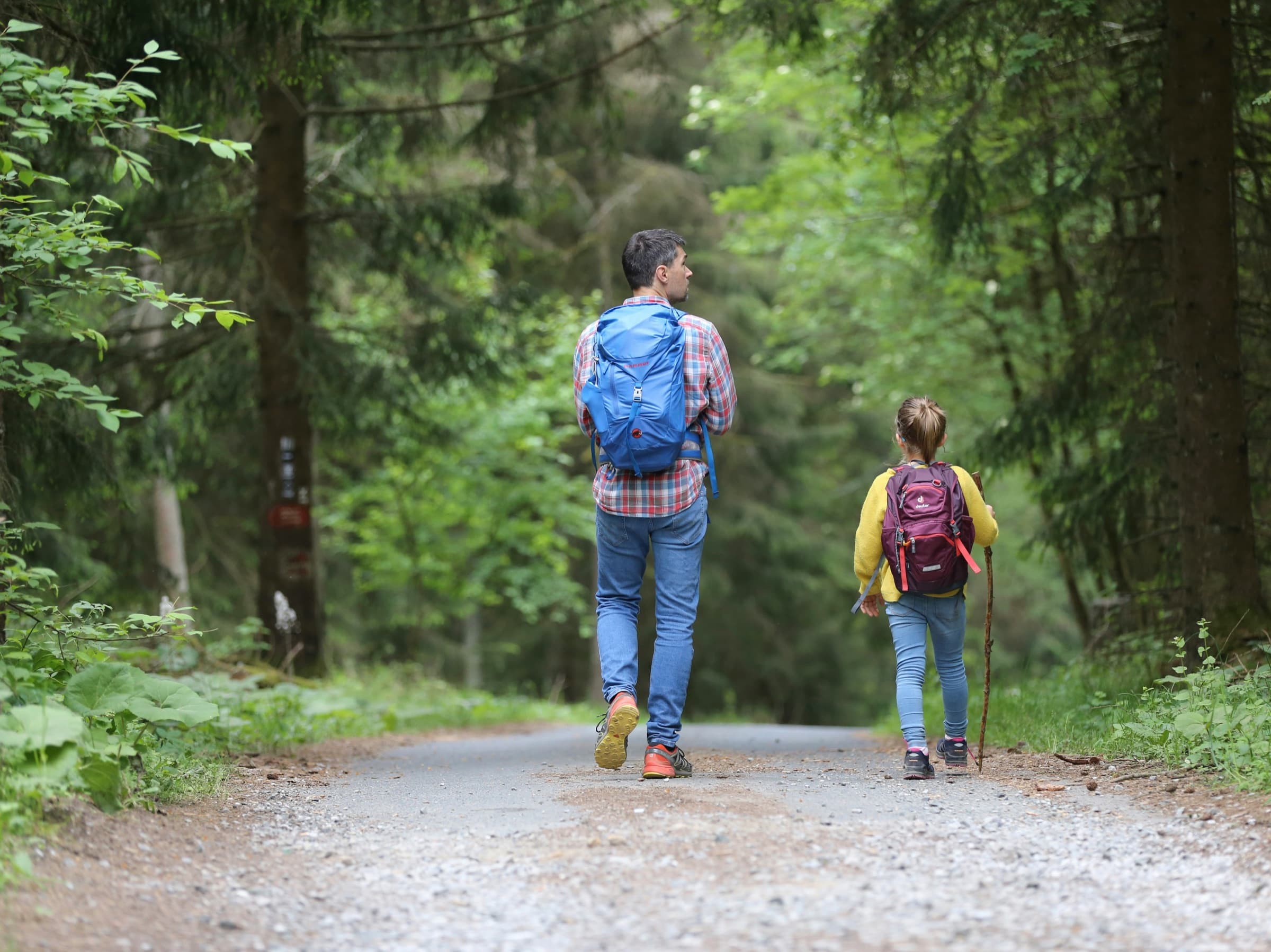
Can you hike in jeans? Yes, for a short hike on a dry, mild day on a busy trail, jeans are perfectly fine and nobody should make you feel bad for wearing them. They become a real problem when the hike is long, wet, cold or remote, because cotton denim soaks up water, takes hours to dry and stops keeping you warm once it's damp.
That's the honest answer. The rest of this guide explains why, gives you a quick checklist for deciding on the day, and shows what to wear instead if you're ready to upgrade.
The Short Answer: Are Jeans OK for Hiking?
Plenty of people have walked plenty of trails in jeans. For a 5 km loop through a country park in July, denim does the job. You won't get hypothermia on a sunny afternoon two kilometres from the car park.
The trouble starts when conditions move against you. Rain, a river crossing, sweat on a steep climb, or a cold wind on an exposed ridge all turn jeans from mildly uncomfortable into a liability. Heavy, wet cotton clinging to your legs drains heat, rubs your skin raw and restricts every step.
The real question isn't "can I wear jeans?" but "what happens if my jeans get wet on this particular hike?" If the answer is "I'd be a bit soggy on the drive home", go ahead. If the answer involves being hours from shelter in the cold, leave them at home. Our guide to common first hike mistakes covers the other kit choices that catch beginners out.
Why Are Jeans Bad for Hiking? The Science of Wet Cotton
Jeans aren't bad because of some outdoor snobbery. The problems all come back to one material: cotton. Most standard jeans are 98 to 100% cotton, and cotton behaves very differently from the nylon and polyester used in hiking pants.
Cotton loves water
Cotton fibres are made of cellulose, which is packed with water-attracting molecular groups. Textile scientists measure this as "moisture regain", the amount of water a fibre absorbs from humid air. Cotton sits at around 8.5%, nylon at about 4% and polyester at just 0.4%.
That gap gets far bigger once fabric is actually soaked. Cotton pulls water into the fibre itself, while synthetic fibres mostly hold water on the surface between fibres. A heavy denim weave then traps that water in a thick, dense fabric. A soaked pair of jeans can easily weigh twice what it does dry.
It takes forever to dry
Wet synthetic hiking pants often dry on your legs within an hour of walking in sun or wind. Denim can take many hours, and in cool, damp weather it may stay wet all day. Anyone who has hung jeans on a washing line knows how slowly the seams and waistband dry out.
On the trail, that means one shower or one slip into a stream can leave you in wet trousers for the rest of the hike.
Wet cotton stops insulating
Clothing keeps you warm by trapping still air near your skin. When cotton fills with water, those air pockets collapse and the fabric clings flat against you. Water conducts heat roughly 25 times faster than air, so wet denim actively pulls warmth out of your legs.
This is where the old outdoor saying "cotton kills" comes from. It sounds dramatic, but hypothermia doesn't need freezing temperatures. It can develop above 4°C (40°F) when you're wet, tired and exposed to wind, which describes a lot of spring and autumn hill days.
Chafing and restricted movement
Wet denim is stiff and rough. Rub it against your inner thighs for 10 km and you'll get painful chafing that lasts for days. The thick seams, especially the inseam and crotch, become pressure points.
Rigid jeans also limit how high you can lift your knee. Big steps up onto rocks, scrambling over fallen trees or crouching to fill a water bottle all feel awkward when the fabric fights you. Hiking pants solve this with stretch fabric and a gusseted crotch, an extra diamond-shaped panel that frees up your stride.
Hot when it's hot
Denim is a dense, heavy weave, so it doesn't breathe well. On a warm climb you'll sweat into it, and that sweat has nowhere to go. Your jeans end up damp from the inside, which brings back every problem above.
Hiking in Jeans vs Hiking Pants
Here's how a typical pair of jeans compares with a budget synthetic hiking pant.
| Standard jeans | Synthetic hiking pants | |
|---|---|---|
| Main fabric | 98 to 100% cotton denim | Nylon or polyester, often with spandex |
| Typical weight (dry) | Around 600 to 900 g | Around 280 to 450 g |
| Drying time when soaked | Many hours, sometimes all day | Often under an hour on the move |
| Warmth when wet | Very little | Retains some warmth, dries fast |
| Stretch | Low (unless stretch denim) | Good, especially 4-way stretch |
| Breathability | Poor | Good |
| Durability | Very abrasion resistant | Good, lighter fabrics can snag |
| Price | Already in your wardrobe | From around $30 |
Denim does win on one thing: toughness. It shrugs off brambles and gritty rock better than thin hiking fabrics. That's why it was workwear in the first place. It just wasn't designed for getting wet and staying active for hours.
When Jeans Are Fine and When They're Not: A Quick Checklist
Use this before you leave the house. If you can tick every box in the first list, wear your jeans. If any item in the second list applies, choose something else.
Jeans are fine when:
- The hike is short, roughly under 2 to 3 hours or 10 km
- The forecast is dry with no rain expected
- Temperatures are mild, roughly 12 to 24°C (55 to 75°F)
- The trail is well used, with phone signal and a car park or town close by
- There are no river crossings, boggy sections or wet grass
- You're not doing much steep climbing or scrambling
Leave the jeans at home when:
- Rain, sleet or snow is in the forecast, even "light showers"
- It's cold, windy or you're heading above the treeline
- The hike is long, a full day, or an overnight trip
- The route is remote, with no easy bail-out point
- You'll cross streams, wade through wet vegetation or hike in dew-soaked grass
- The trail involves big steps, scrambling or lots of elevation gain
What About Stretch Jeans for Hiking?
Stretch jeans fix one problem: movement. A typical stretch denim is around 98% cotton with 2% elastane (also called spandex or Lycra), and that small amount of elastane makes high steps and squats far more comfortable.
What stretch jeans don't fix is the cotton. With 98% cotton content, they still absorb water, dry slowly and lose warmth when wet. Think of them as more comfortable jeans, not as hiking pants.
"Hiking jeans" and synthetic blends
A growing number of brands sell performance or hiking jeans that blend cotton with polyester, nylon or a higher share of elastane. These dry faster than regular denim and move better, and some add a water-repellent finish. They're a reasonable middle ground if you want the look of jeans for travel or easy trails.
Check the label before you trust them on a wet day, though. A blend that's still mostly cotton behaves mostly like cotton. The more synthetic fibre in the mix, the closer it gets to a real hiking pant.
Is Cotton Bad for Hiking in General?
The same logic applies to every cotton garment, not just jeans. Cotton T-shirts, hoodies and socks all soak up sweat and rain and stay wet for hours. The closer a piece sits to your skin, and the colder the conditions, the more it matters.
Socks are the worst offender. Wet cotton socks soften your skin and cause friction, which is a fast route to blisters. Swapping to merino or synthetic hiking socks is probably the single best upgrade you can make for comfort.
On a hot, dry summer day, a cotton T-shirt is honestly fine and can even feel cooler because it stays damp. In cool or changeable weather, a merino wool hiking shirt or synthetic base layer keeps you far more comfortable, because it still insulates when damp and dries much faster.
What to Wear Instead of Jeans for Hiking
You don't need expensive kit to beat jeans. Proper hiking pants made from nylon or polyester start at around $30, and even the cheapest pair outperforms denim on a wet day. For a full breakdown, see our guide to the best cheap hiking pants.
Here are four affordable options from that guide that cover most hikers.
Affordable Alternatives to Jeans
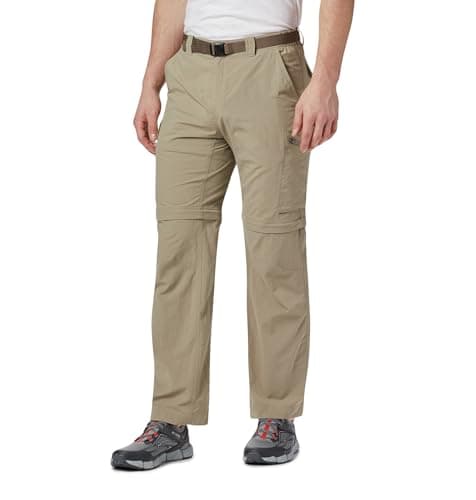
Lightweight nylon with zip-off legs, so you get trousers and shorts in one. Quick-drying, UPF 50 sun protection and a gusseted crotch. Around $50.
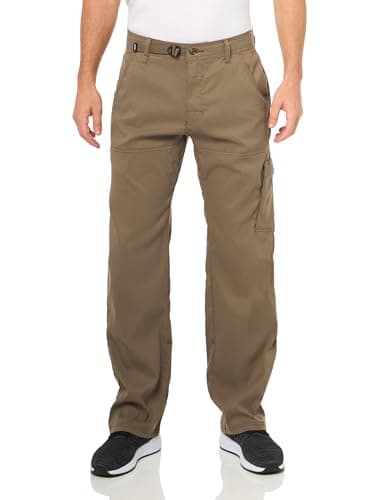
The closest thing to the comfort of your favourite jeans, with excellent stretch and a water-repellent finish. Pricier at around $80, but tough and very mobile.
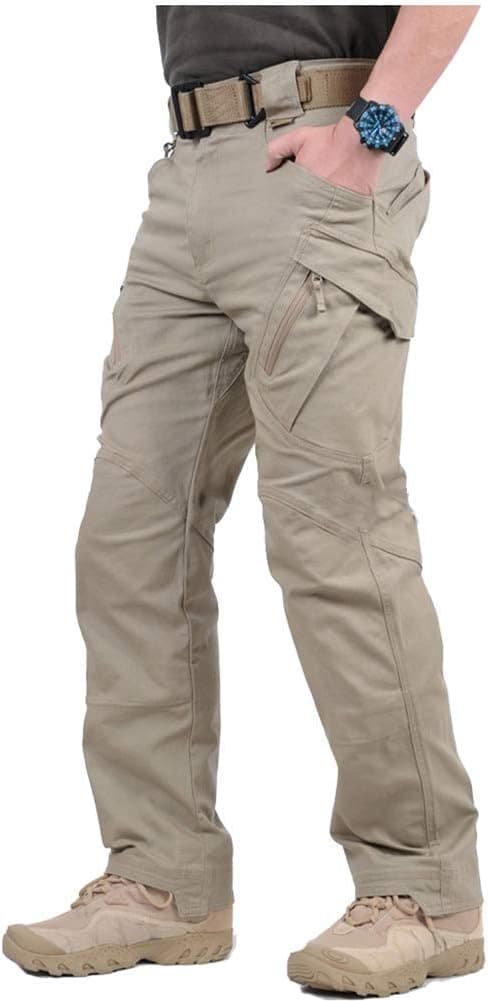
Budget stretch cargo pants with zipped pockets and a water-resistant finish. A sensible first pair at around $30.
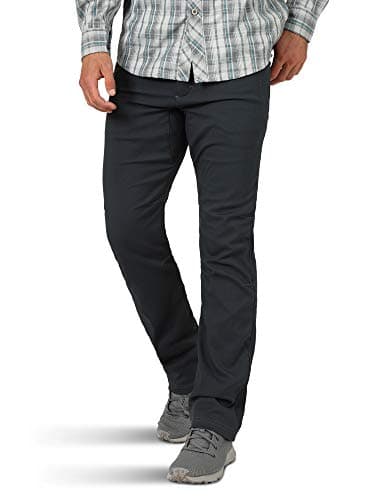
Water-repellent shell with a warm fleece lining for cold-weather walks, the situation where jeans let you down most. Around $55.
If you like the denim look, the prAna Stretch Zion is the easiest switch. It has a similar heavier feel and straight cut but none of the wet-cotton drawbacks. For pure value on summer trails, the Columbia Silver Ridge Convertible is hard to beat.
Build a simple layering system
Hiking pants are only one part of the picture. A basic system that works year-round looks like this:
- Base layer: merino wool or synthetic T-shirt, never cotton in cool weather
- Mid layer: a fleece or light synthetic jacket for warmth on breaks
- Shell: a waterproof jacket, plus rain pants if heavy rain is likely
- Legs: synthetic hiking pants, or insulated winter hiking pants in cold, snowy conditions
- Feet: merino or synthetic socks in broken-in hiking shoes or boots
Rain pants are worth a special mention. Pulled over any trousers, even jeans, they stop the worst of the soaking. They're light, pack small and cost less than a decent pair of jeans.
FAQ
The Bottom Line
You can absolutely hike in jeans on a short walk in dry, mild weather near civilisation. Just know what you're trading: denim is tough, but it soaks up water, dries painfully slowly and turns cold and abrasive the moment it gets wet.
If you're starting to hike more often, a $30 to $50 pair of synthetic hiking pants is the cheapest meaningful upgrade you can make. Start with our round-up of cheap hiking pants, then sort out your socks and base layer, and your jeans can go back to being weekend wear.

Jasper Baetens
Hiking enthusiast from Belgium, mainly active in Europe. Created HikeHeaven to share experiences, research, tips, tricks and recommend products — or simply to help other hikers.