8 First Hike Mistakes (and How to Avoid Them)
Planning your first hike? Avoid these 8 common beginner mistakes that lead to blisters, exhaustion, and miserable days on the trail.

Your first hike should be the start of a lifelong habit, not a miserable experience that puts you off the outdoors for good. The thing is, most first hike mistakes are completely avoidable. They come from the same handful of oversights that trip up nearly every beginner, and none of them require expensive gear or expert knowledge to fix.
Here are eight mistakes that catch first-time hikers off guard, along with practical ways to sidestep every one of them.
1. Wearing the Wrong Footwear
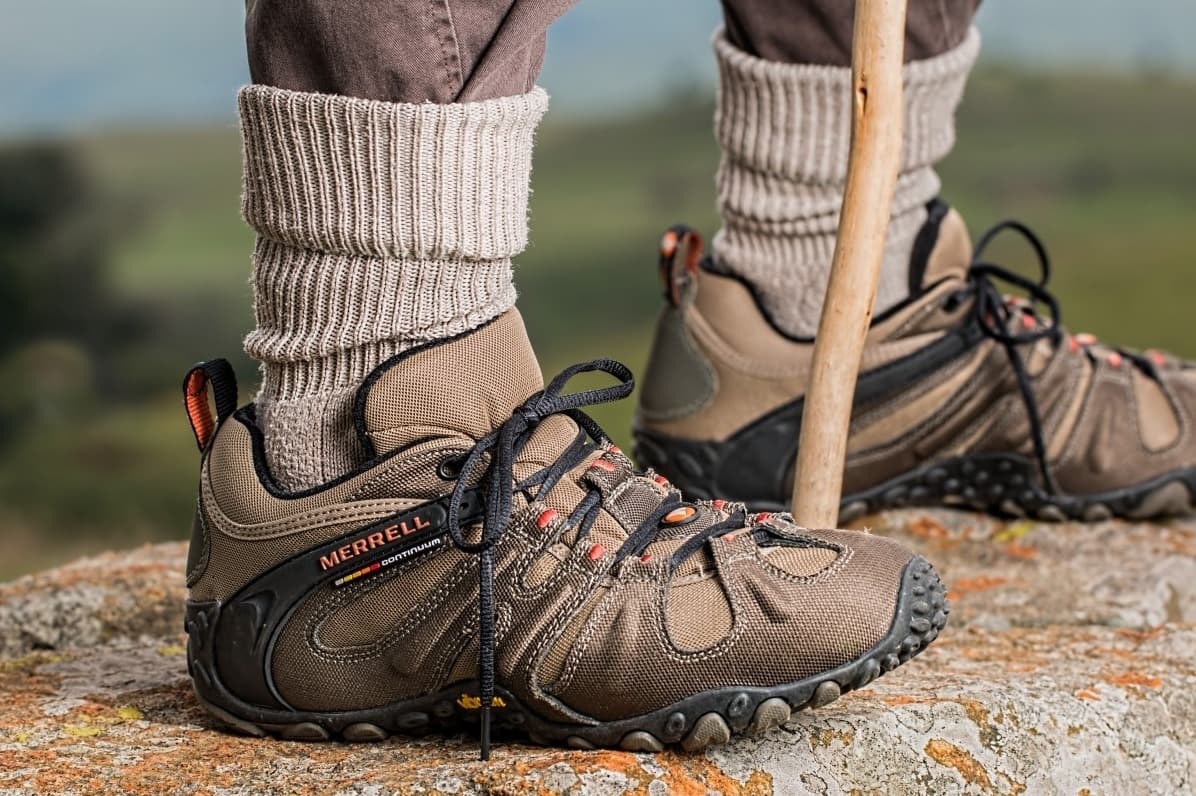
This is the single biggest mistake beginners make, and the one with the most immediate consequences. Showing up to a trail in trainers, canvas shoes, or brand-new boots you haven't broken in is a recipe for blisters, sore feet, and a cut-short hike.
Your shoes don't need to be expensive. A pair of Merrell Moab 3 hiking shoes costs around $90 and provides proper traction, foot protection, and comfort straight out of the box. The Columbia Newton Ridge Plus at $75 is another solid budget option with waterproofing included.
The critical rule: never wear new boots on a real hike without breaking them in first. Wear them around the house, on short walks, and to the shops for at least a week before hitting the trail. Your feet need to adapt to the shape, and the boot needs to soften to your foot. Skipping this step almost guarantees blisters. If you've just bought a stiff pair, our guide to breaking in hiking boots walks you through the fastest way to do it.
2. Not Bringing Enough Water
Dehydration sneaks up on you faster than you'd expect. On a moderate hike, your body loses roughly 0.5 to 1 litre of water per hour through sweat and breathing. On a hot day or steep terrain, that number climbs higher. Most beginners bring a single 500ml bottle and run dry within the first hour.
The baseline rule is 0.5 litres per hour of hiking, adjusted upward for heat, elevation gain, and intensity. A 4-hour day hike needs at least 2 litres, and bringing 2.5 is smarter. A hydration bladder in your pack makes drinking easier because you don't need to stop and dig for a bottle.
Signs of dehydration include headache, dizziness, dark urine, and unusual fatigue. By the time you feel properly thirsty, you're already behind on fluids. Sip regularly rather than drinking large amounts infrequently.
3. Skipping Navigation Prep
Relying solely on your phone for navigation is one of the most common first hike mistakes. Phone batteries die faster in cold weather, GPS apps drain power quickly, and mobile signal vanishes in valleys and forests. If your phone dies 8km into a trail, you need a backup plan.
Before every hike:
- Download the trail map offline (apps like AllTrails, Komoot, or OS Maps allow this)
- Screenshot the route and key waypoints
- Carry a paper map of the area, even a printed one
- Tell someone your planned route and expected return time
You don't need to become an expert navigator. Knowing how to read a basic trail map, recognise trail markers, and identify major landmarks is enough for most day hikes. The goal is redundancy. If one navigation method fails, another takes over.
4. Overpacking Your Bag
First-time hikers tend to pack for every possible scenario. Three spare layers, a full first aid kit, two torches, spare shoes, enough food for a week. The result is a pack that weighs 8-10kg for a simple day hike, which drains your energy and turns a fun walk into a slog.
For a half-day hike (3-4 hours) on a well-marked trail, you need surprisingly little.
First Hike Day Pack Essentials
- Water (2-2.5 litres)
Hydration bladder or bottles. The single most important item in your pack. Adjust quantity for temperature and duration.
- Trail snacks and lunch
Trail mix, energy bars, sandwiches, fruit. Aim for 200-300 calories per hour of hiking. Pack more than you think you'll eat.
- Waterproof jacket
Weather changes fast in the hills. A lightweight packable jacket weighs under 300g and fits in any daypack.
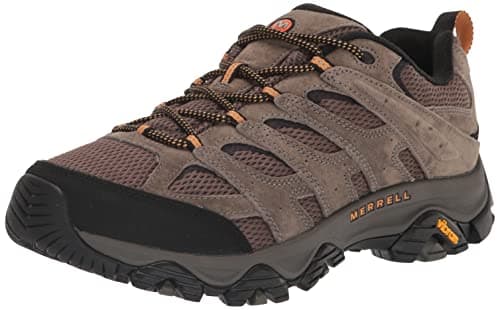 Proper hiking shoes
Broken-in hiking shoes with good traction. The foundation of a comfortable hike.
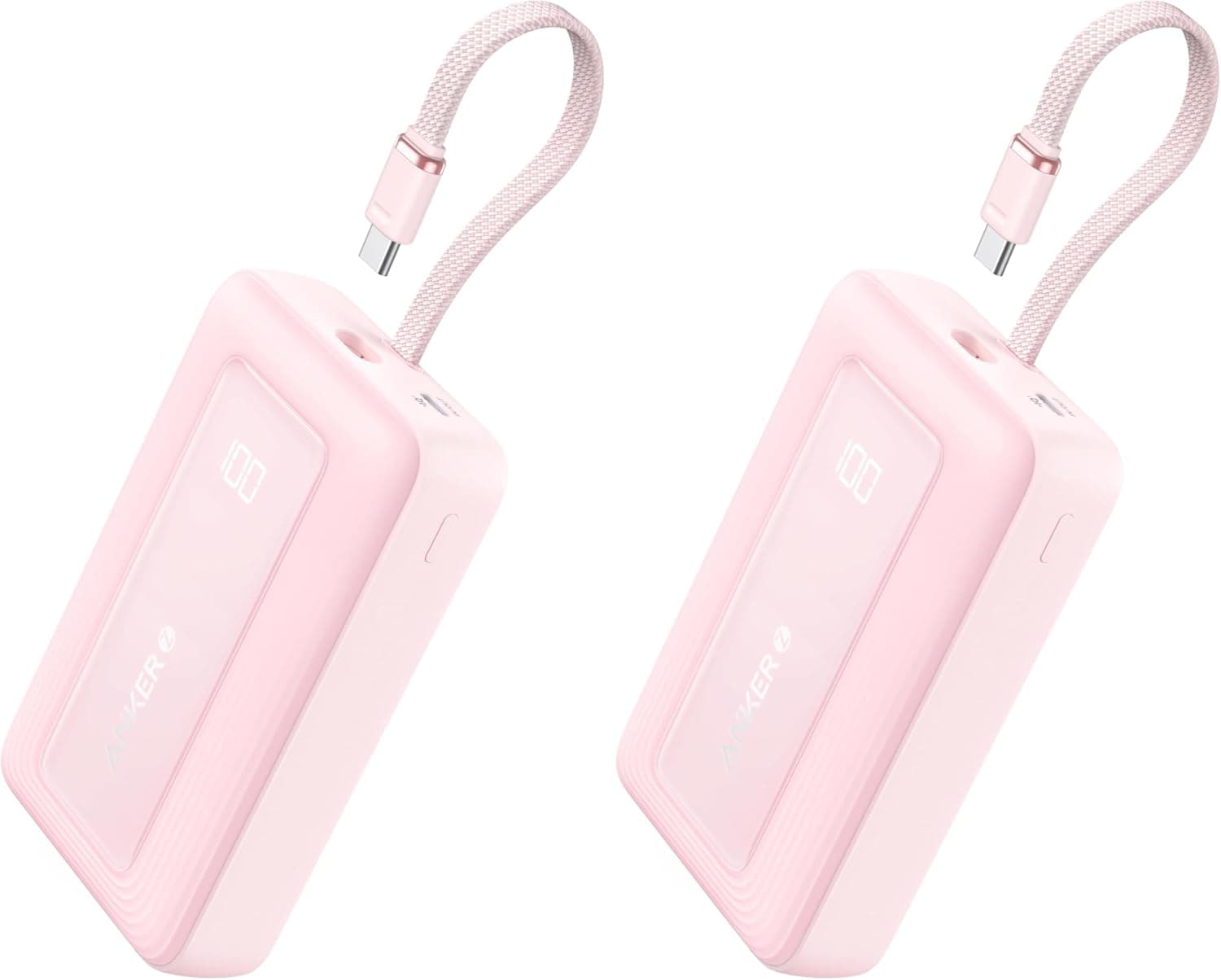 Phone with offline map
Download the route before you leave. Bring a power bank as backup. The Anker Zolo packs 20,000mAh with the cables built in, enough to recharge most phones several times.
- Sun protection
Sunscreen (SPF 30+), sunglasses, and a hat. UV exposure increases with altitude.
- Trekking poles
Reduce knee strain by roughly 25% on descents. Especially useful for steep or uneven terrain.
- Blister kit
Compeed blister plasters and medical tape. Weighs almost nothing and can save your day.
A good daypack for beginners holds 20-25 litres. Anything larger encourages overpacking. Pack heavy items close to your back and at shoulder-blade height for the best weight distribution.
5. Underestimating Food and Energy Needs
The opposite of overpacking gear is underpacking food. Hiking burns roughly 400-600 calories per hour depending on your weight, pace, and terrain. A 5-hour hike can burn 2,000-3,000 calories, far more than most people expect. Running low on fuel leads to fatigue, poor decision-making, and a genuinely unpleasant final stretch.
Pack calorie-dense foods that don't need preparation. Trail mix with nuts and dried fruit delivers roughly 500 calories per 100g. Energy bars are convenient. Sandwiches with peanut butter or cheese provide sustained energy. Bananas are great for the first half of the day but get mushy by afternoon.
Eat before you feel hungry. Small snacks every 45-60 minutes maintain your energy levels far better than waiting for a single big lunch stop. If you're curious about the detailed science, our guide to how many calories hiking burns breaks down the numbers by weight and terrain.
6. Ignoring the Weather Forecast
Weather in the mountains can change dramatically within an hour. A clear morning can turn into afternoon thunderstorms, especially in summer. Beginners often check the forecast for the nearest town and assume the trail will be the same. It won't be. Temperature drops roughly 1°C for every 150m of elevation gain, and exposed ridgelines catch wind that sheltered valleys don't.
Check the forecast the morning of your hike, not just the night before. Use a mountain-specific forecast service if available (Mountain Weather Information Service in the UK, for example). Look at the hourly breakdown, not just the daily summary.
If the forecast shows thunderstorms, high winds, or heavy rain, postpone. There is no hike worth risking your safety for, especially your first one. The trail will be there next weekend. If you ever get caught out, knowing what to do in a thunderstorm while hiking could save your life.
7. Going Too Fast at the Start
Excitement on a first hike is natural, but setting off at a pace you can't maintain is one of the quickest ways to ruin the experience. Most beginners start too fast, burn through their energy in the first hour, and spend the remaining time exhausted and frustrated.
A sustainable hiking pace feels conversational. If you can't hold a normal conversation while walking, you're going too hard. Slow down. Hiking isn't a race, and the people who enjoy it most are the ones who find a rhythm that lets them take in their surroundings.
On uphills, shorten your stride and maintain a steady, slower pace rather than powering up in bursts and stopping to recover. The stop-start approach actually costs more energy than consistent moderate effort. Aim for a pace that feels almost too easy at the start. Two hours in, you'll be glad you held back.
Plan regular breaks too. Five minutes every 45-60 minutes to drink, eat a snack, and check your route is enough. Longer stops cool your muscles down and can make restarting harder.
8. Not Telling Anyone Your Plans
This is the mistake with the most serious potential consequences. If nobody knows where you're hiking and when you plan to return, a twisted ankle or wrong turn can become a genuine emergency. Mountain rescue teams consistently say that many of their call-outs could be resolved faster if someone had simply left a trip plan.
Before every hike, tell someone:
- Where you're going (trail name and start point)
- Your planned route and any alternatives
- When you expect to return
- What to do if you're not back by a specific time
A text message to a friend or family member takes 30 seconds and could make the difference between a minor inconvenience and a serious situation. Some hikers leave a written note on the dashboard of their car at the trailhead, visible to anyone who might come looking.
Also consider downloading a safety app that shares your live GPS location. Many are free and work even with limited signal by logging your track.
Bonus: Starting with Too Ambitious a Trail
This isn't one of the core eight, but it deserves a mention. First-timers regularly pick trails that are too long, too steep, or too remote. A 20km mountain hike with 1,000m of elevation gain is not a beginner trail, even if it looked manageable on paper.
For your first hike, pick a well-marked trail that's 8-12km with less than 400m of total elevation gain. Allow 4-5 hours including breaks. Choose a route that's popular enough to have other hikers on it, and ideally one with mobile signal for at least part of the route.
Build up gradually. Your second hike can be longer. Your third can be steeper. The goal of your first hike is to finish it, enjoy it, and want to do it again.
Your Checklist for Avoiding First Hike Mistakes
Getting your first hike right comes down to preparation, not equipment. Break in your shoes. Bring enough water and food. Check the weather. Tell someone where you're going. These basics cost nothing and prevent the vast majority of bad first experiences.
For affordable footwear recommendations, our cheap hiking shoes and boots guide covers the best options at every budget. The Merrell Moab 3 at $90 and Columbia Newton Ridge Plus at $75 are both excellent starting points that won't break the bank. And if you're on the fence about trekking poles, our guide to one or two trekking poles explains when they make the biggest difference.
The trail is more forgiving than you think. Make even half of the preparations on this list and you'll have a good day out. The rest you'll learn as you go, one hike at a time.
Last updated on June 21, 2026.

Jasper Baetens
Hiking enthusiast from Belgium, mainly active in Europe. Created HikeHeaven to share experiences, research, tips, tricks and recommend products — or simply to help other hikers.