Are Timberlands Good for Hiking? An Honest Trail Verdict
Are Timberlands good for hiking? Trail-tested the classic boots and Timberland's hiking range. See what works, what doesn't, and better picks.

If you already own a pair of Timberlands and you're wondering whether they're good for hiking, the short answer is: it depends on which Timberlands you're talking about. The iconic 6-inch Premium boots that most people picture? They're not built for the trail. But Timberland does make dedicated hiking boots, like the Chocorua Trail and White Ledge, that tell a different story.
The Problem with Classic Timberlands on the Trail
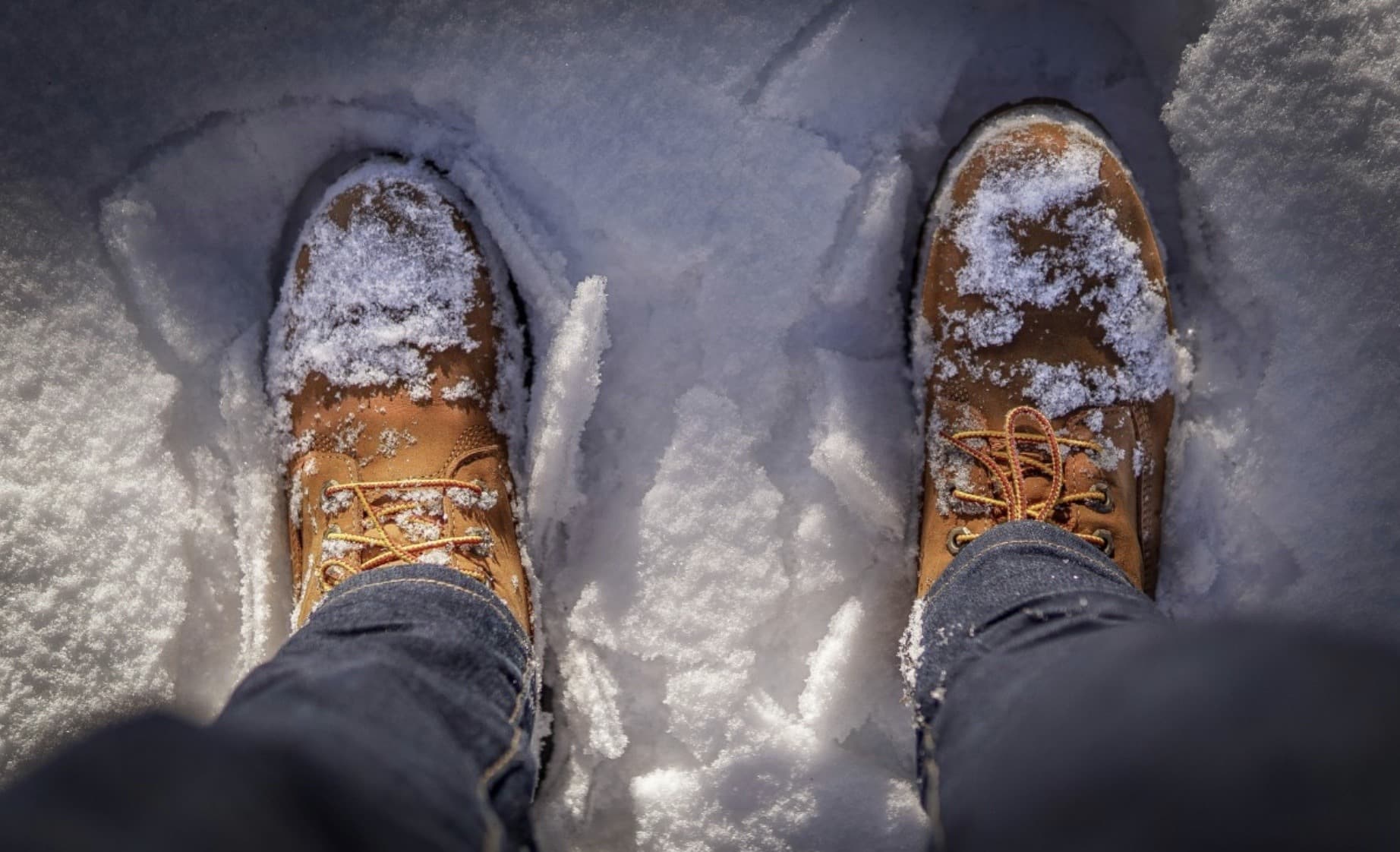
Let's get this out of the way first: classic Timberland 6-inch Premium boots are not good for hiking. They're fashion boots with workwear DNA, and they struggle in almost every category that matters on the trail.
The numbers tell the story. A pair of classic Timberlands weighs roughly 3.63 lbs (1.65 kg), compared to an average hiking boot at around 2.5 lbs (1.13 kg). That extra pound might not sound like much, but over a full day of walking you'll feel it in your knees and feet. The old rule of thumb suggests that one pound on your feet equals five pounds on your back in terms of energy expenditure.
Beyond weight, the full-grain leather upper offers virtually no breathability. On warm days your feet will be swimming in sweat, which leads directly to blisters. The flat outsole provides mediocre traction on loose or wet terrain, and there's minimal ankle support despite the boot's height.
Timberland Hiking Boots Worth Considering
Timberland's actual hiking range is a completely different proposition. Two models stand out: the Chocorua Trail and the White Ledge.
Timberland Chocorua Trail
The Timberland Chocorua Trail is the brand's most trail-capable boot. It features a waterproof membrane, a lugged rubber outsole with decent grip, and a padded collar for comfort. At around $130, it sits in a competitive price bracket.
On the trail, it performs reasonably well for day hikes on moderate terrain. The waterproofing holds up in light rain and shallow puddles, and the boot provides solid stability on uneven ground.
The catch? Durability. Several long-term users report issues with the eyelets loosening and the sole separating after heavy use. Timberland backs the Chocorua Trail with only a 12-month warranty, which is notably shorter than competitors offering 2-year or even lifetime guarantees. For weekend day hikes, it's a decent choice. For regular use or multi-day treks, the durability concerns are hard to ignore.
Timberland White Ledge
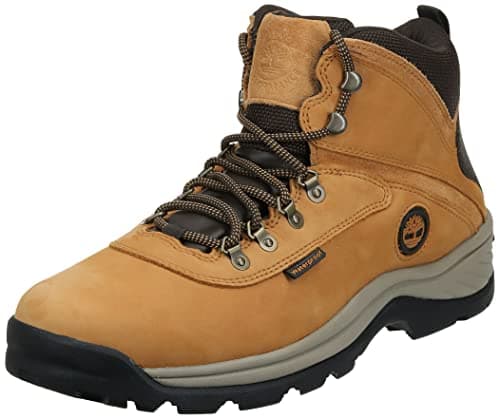
The Timberland White Ledge is lighter than the Chocorua and better suited if you want a boot that crosses between city streets and gentle trails. At around $90, it's the more affordable option.
The White Ledge works well for travellers who want a single pair of boots that can handle a museum visit in the morning and a short nature walk in the afternoon. It's waterproof, reasonably comfortable out of the box, and doesn't look out of place in town.
That said, it's not a serious hiking boot. The traction is adequate on well-maintained paths but won't inspire confidence on steep or technical terrain.
Are Timberlands Good for Hiking? A Direct Comparison
Here's how the Timberland hiking range stacks up against purpose-built trail boots:
Timberland Hiking Boots vs Dedicated Trail Boots
Timberland Chocorua Trail
$130
?Estimated price — check latest price on Amazon
Casual day hikes on moderate trails
Pros
- ✓Waterproof membrane keeps feet dry
- ✓Good ankle support and stability
- ✓Comfortable padded collar
- ✓Recognisable Timberland build quality
Cons
- ✕Eyelet and sole durability concerns
- ✕Only 12-month warranty
- ✕Heavier than modern hiking boots
- ✕Limited traction on technical terrain
Timberland White Ledge
$90
?Estimated price — check latest price on Amazon
Travellers wanting city-trail crossover
Pros
- ✓Affordable at around $90
- ✓Waterproof construction
- ✓Versatile city-to-trail design
- ✓Comfortable with minimal break-in
Cons
- ✕Not enough traction for steep terrain
- ✕Limited ankle support
- ✕Outsole wears quickly on rocky ground
- ✕Not suitable for longer hikes
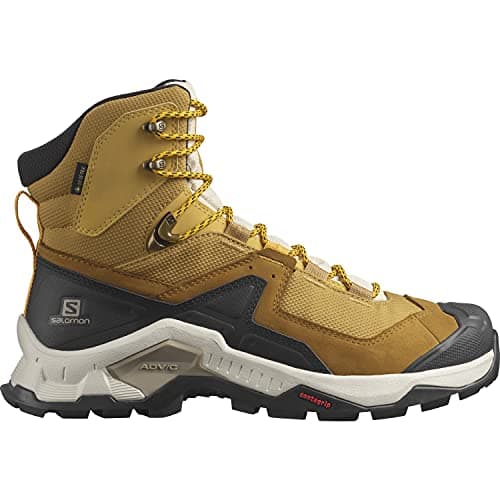
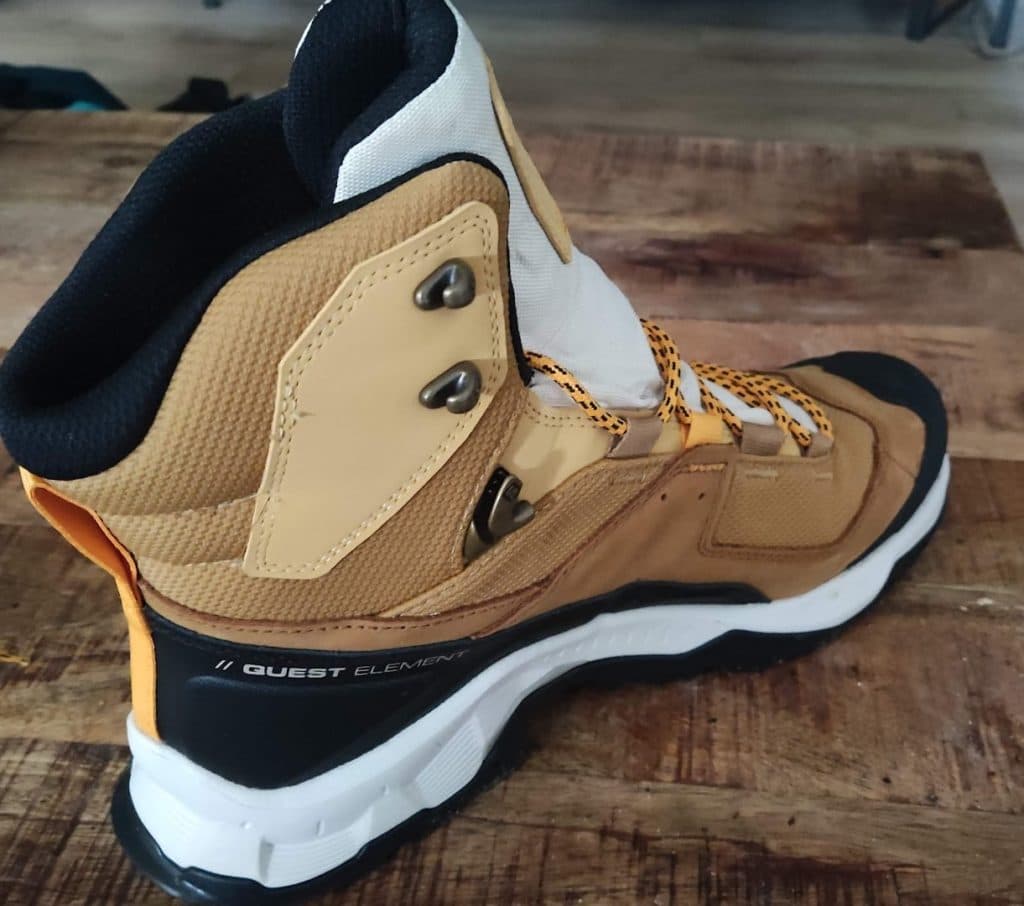
Salomon Quest Element GTX
$160
?Estimated price — check latest price on Amazon
Serious day hikes and multi-day treks
Pros
- ✓Gore-Tex waterproofing with excellent breathability
- ✓Contagrip outsole with superior traction
- ✓Lightweight at 1 lb 14 oz per boot
- ✓Advanced chassis for ankle support
Cons
- ✕Higher price point
- ✕Narrower fit may not suit all feet
- ✕Takes a few days to break in
What Makes a Good Hiking Boot (and Where Timberlands Fall Short)
Understanding what separates a capable hiking boot from a fashionable one helps explain why the classic Timberland struggles on the trail. Five factors matter most:
Weight. Every gram on your feet matters more than weight in your pack. The classic Timberland's 3.63 lbs puts it at a significant disadvantage. The Salomon Quest Element GTX, by comparison, weighs around 1 lb 14 oz per boot, nearly a full pound lighter per pair.
Traction. Hiking-specific outsoles use deeper lugs, stickier rubber compounds, and multi-directional tread patterns designed for loose gravel, wet rock, and muddy slopes. The flat outsole on classic Timberlands was designed for pavement and construction sites, not trails.
Breathability. Modern hiking boots use mesh panels, synthetic materials, and waterproof-breathable membranes like Gore-Tex to manage moisture. Full leather boots trap heat and sweat, which leads to blisters during sustained effort.
Support. A hiking boot needs a stiff midsole to protect your feet on uneven ground and a structured heel counter for stability on descents. Fashion boots prioritise a flat, cushioned feel for walking on even surfaces.
Durability in trail conditions. Trail boots need to withstand abrasion from rocks, exposure to water, and repeated flexing over thousands of steps. The Chocorua Trail's reported eyelet and sole issues suggest the construction isn't quite up to the demands of regular trail use.
Better Alternatives to Timberlands for Hiking
If you're in the market for hiking boots and considering Timberlands, these alternatives offer better trail performance:
Recommended Hiking Boots
- Salomon Quest Element GTX
Our top recommendation. Gore-Tex waterproofing, Contagrip outsole, and a lightweight build that handles everything from day hikes to multi-day treks. Read our full review.
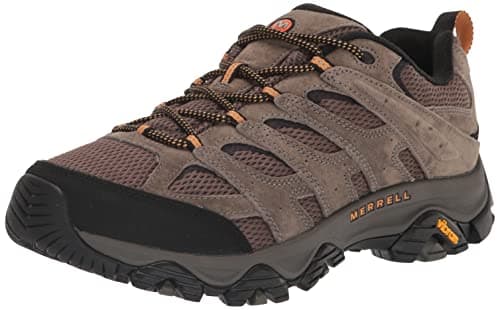 Merrell Moab 3
A reliable all-rounder at $90. Excellent breathability, Vibram outsole, and one of the most comfortable fits straight out of the box.
- Timberland Chocorua Trail
The best Timberland option for hiking if you prefer the brand. Waterproof with decent traction, but monitor durability over time.
- Timberland White Ledge
Good for light trails and travel, but not recommended as a dedicated hiking boot.
The Salomon Quest Element GTX is the standout choice if you want a boot that genuinely performs on the trail. It's lighter, grippier, more breathable, and backed by a stronger warranty. The Merrell Moab 3 is an excellent budget-friendly alternative that beats both Timberland hiking boots on traction and comfort.
For a broader look at affordable options, check out our best cheap hiking shoes and boots guide. If you're considering Adidas Terrex as an alternative, our Adidas Terrex waterproof guide explains which models include Gore-Tex and which don't.
When Timberlands Are (and Aren't) Fine for Hiking
To be fair, there are scenarios where Timberlands work perfectly well:
Timberlands are fine for:
- Short, flat nature walks on well-maintained paths
- Light trail walking during travel (White Ledge)
- Casual day hikes on moderate terrain (Chocorua Trail)
- Walking in parks, forests, and paved greenways
Timberlands are not suited for:
- Multi-day backpacking trips
- Steep, rocky, or technical terrain
- Wet conditions requiring reliable traction
- Long-distance day hikes (15+ km)
- Any hike where ankle support and grip are critical
The Verdict
Are Timberlands good for hiking? The classic 6-inch boot is not designed for trails, and you'll feel the difference in weight, grip, breathability, and comfort within the first few kilometres. The Timberland Chocorua Trail and White Ledge are genuine hiking boots, and they're decent enough for casual day hikes, but they don't match purpose-built alternatives from Salomon or Merrell in performance or durability.
If you're buying boots specifically for hiking, invest in a proper trail boot. The Salomon Quest Element GTX at $160 or the Merrell Moab 3 at $90 will serve you far better on the trail. If you're set on Timberland, the Chocorua Trail is the model to choose, but manage your expectations on long-term durability.
Last updated on June 21, 2026.

Jasper Baetens
Hiking enthusiast from Belgium, mainly active in Europe. Created HikeHeaven to share experiences, research, tips, tricks and recommend products — or simply to help other hikers.