Wild Camping Norway: Allemannsretten Rules and Best Spots
Wild camping in Norway is legal under allemannsretten. Learn the 150 m rule, the fire ban dates, where tents are banned, and the best spots to pitch.

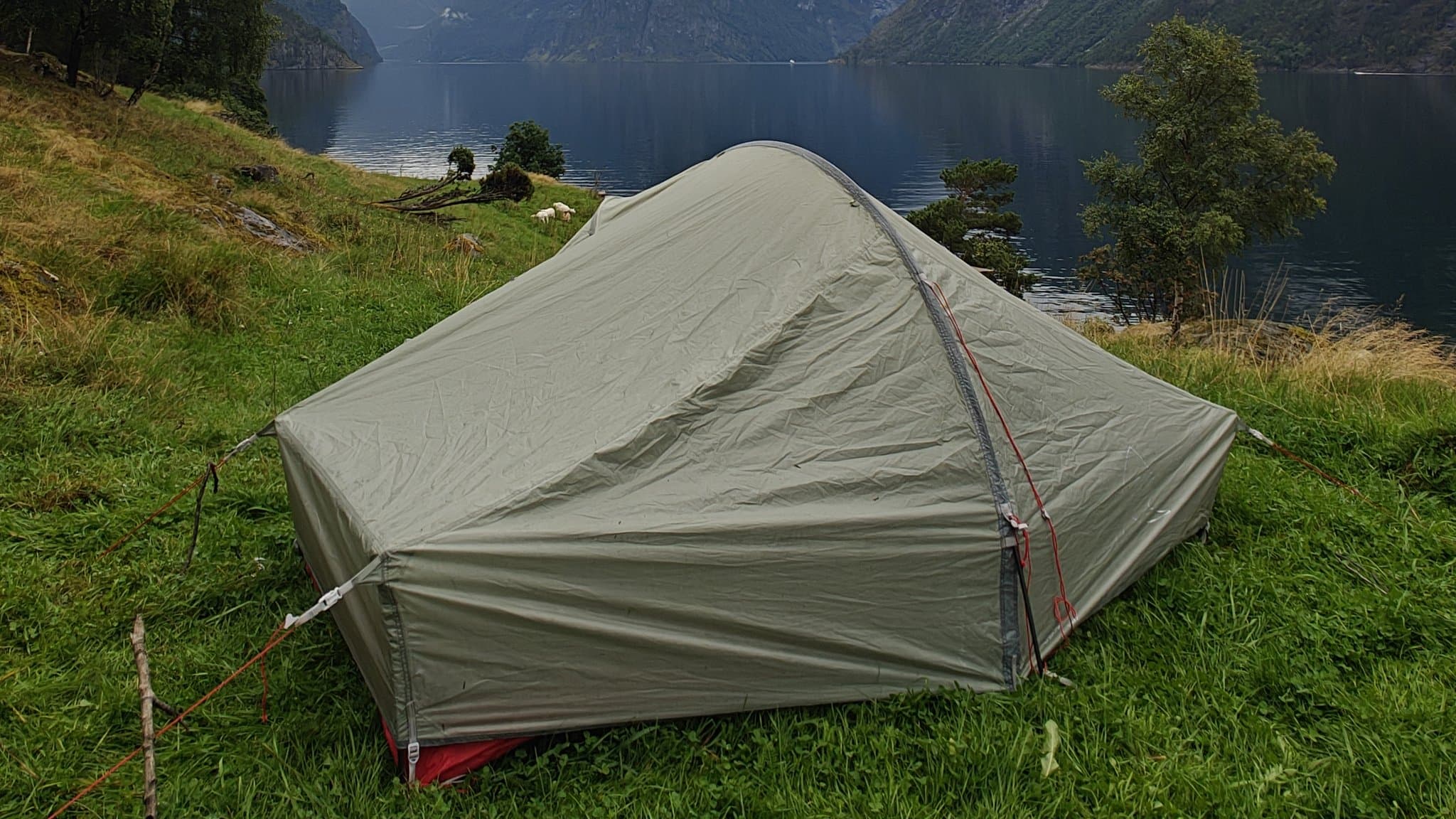
Norway is one of the few countries in Europe where you can pitch a tent almost anywhere without asking anyone. That right is called allemannsretten, it has been written into law since 1957, and it costs nothing. The catch is that it comes with four hard conditions, a fire ban that covers the entire hiking season, and a growing list of places where local councils have switched it off. This guide covers what the law actually says, where the exceptions are in 2026, and the spots worth walking to.
Is Wild Camping Legal in Norway?
Yes. Section 9 of the Outdoor Recreation Act (friluftsloven, LOV-1957-06-28-16) gives everyone the right to pitch a tent on uncultivated land, free of charge, without the landowner's permission. You don't need a permit, you don't need to book, and the right applies to Norwegians and visitors equally.
Four conditions come attached, and they are the whole of the law you need to memorise.
A tarp, a hammock and a bivvy bag all count as a tent for these purposes. The Lofoten regulation spells this out, covering "all types of tent, lean-to shelter and hammock", so you can't sidestep a local ban by leaving the poles at home.
Innmark vs Utmark: The Test That Decides Everything
Every camping question in Norway resolves to this single distinction, so it's worth getting right.
Innmark is land that is being used. Section 1a lists it: the farmyard, the house plot, cultivated land, hay meadows, cultivated pasture and forest plantations, plus any similar area where public access would unreasonably burden the owner. You have no right to camp on innmark.
Utmark is everything else. Mountains, moorland, bog, natural forest, rough grazing, the shoreline below the garden fence. Roughly 95% of Norway's land area is utmark, which is why the right feels so generous in practice.
The grey zone is grassland. A flat green field near a fjord looks like perfect camping and is very often innmark, either a hay meadow or cultivated pasture. If the grass looks mown, fenced or grazed by livestock, walk on.
The 150 Metre Rule
Measure from the nearest inhabited house or cabin, not from the property boundary. The rule protects people's privacy rather than their land, so an abandoned barn or a locked-up boathouse doesn't count, while an occupied holiday cabin does.
In practice 150 m is further than most people estimate. If you can see which room the lights are on in, you're too close.
The Two-Night Rule
The Norwegian text says 2 døgn, which means two 24-hour periods rather than two sleeps. Arrive at 18:00 on Friday and you're covered until 18:00 on Sunday.
The exception matters more than the rule for most hikers. In the high mountains (høgfjellet) and in areas far from habitation, the two-night limit does not apply at all, provided you aren't causing damage or disturbance. On a Hardangervidda or Jotunheimen traverse you can sit out three days of weather in the same spot legally. In a lowland forest an hour from Oslo, you can't.
The Fire Ban Runs Through the Whole Hiking Season
This is the rule visitors break most often, usually without knowing it exists. Under section 3 of the fire prevention regulation, lighting a fire in or near forest and other uncultivated land is forbidden from 15 April to 15 September. That covers the entire Norwegian hiking season.
Councils can go further. When the fire risk climbs, a municipality may impose a total ban (totalforbud) for up to 60 days, and those often extend to stoves and grills anywhere outdoors. Check the local fire service website before you travel in a dry spell.
Enforcement is real. The fire service can order a fire put out and report you to the police, who issue the fine. Published figures start at around NOK 4,000 and rise with the degree of negligence, and you can be billed separately for the cost of the response and any damage. Your insurance may also decline to cover you. Norwegian fire statistics for 2025 recorded 1,115 forest and grass fires, and 756 of them, just over two thirds, started inside the ban period.
The practical answer is simple. Carry a gas or petrol stove, cook on that, and treat an open fire as something you do in October rather than July.
Where Wild Camping Is Restricted
Section 15 lets municipalities adopt local conduct rules for heavily used areas, with approval from the county governor. Several have, and the list grew again in 2026. These override the general right, so check them before you plan a route.
Lofoten
Lofoten has the most detailed local regulation in the country, last amended in June 2024. The bans are municipality by municipality, and they are not intuitive.
| Municipality | Where tents are banned | Dates |
|---|---|---|
| Vestvågøy | Haukland beach | All year |
| Moskenes | Reinebringen, Reine, Sørvågvatnet, Vindstad, Olenilsøya, Andøya, Tennes, Bollhaugen, Langhaugen | 1 May to 1 Oct |
| Vågan | Stranda under fjellet, Kalle, Rørvika beach | 1 May to 1 Oct |
| Flakstad | None | |
| Værøy, Røst | None for tents |
Two things follow from that table. Haukland is banned to tents all year, and plenty of travel blogs still say otherwise, so trust the regulation rather than the blog post. And Flakstad has no tent bans at all, which is why Kvalvika beach and Ryten remain the best legal wild camping in Lofoten.
Uttakleiv is a separate case. It isn't in the regulation, but the local village association runs it as a paid area with number plate recognition, charging NOK 20 per hour up to a maximum of NOK 300 per 24 hours. Treat it as a campsite, not as wild camping.
Several municipalities also ban sleeping in vehicles between midnight and 06:00 in named places, and new parking time limits at the E10 lay-bys in 2026 are aimed squarely at stopping them turning into free campsites.
Trolltunga
Camping on the mountain is allowed and there are marked tent sites on the official map. Camping at any of the car parks is not allowed, nor in signed no-camping zones, near private cabins or on fragile vegetation. Pitch downhill of the trail and well away from streams and lakes.
There are no toilets up there. You carry out everything, used paper included, to the bins at the car park. The unguided season runs 1 June to 30 September. Parking at P2 Skjeggedal costs NOK 550 for one day, 770 for two and 990 for three including the road toll, and the shuttle bus from Odda is NOK 200 each way.
Preikestolen and Kjerag
Camping on the Preikestolen plateau is not permitted, for the obvious reason that it's a cliff edge with heavy footfall, and overnighting in the car park is banned too. You can still camp in utmark further along the route under the normal rules. Don't drink untreated water from the streams close to the trail, because the visitor numbers have caught up with them.
At Kjerag, the Øygardstøl car park bans camping and sleeping in vehicles outright. Parking is NOK 300 and the road is usually open from late May to mid-October.
Rondane: New Rules Since July 2026
Sel council brought in a regulation on 5 July 2026 covering the Spranget and Reinsbommen car parks, the main walking access to Rondvassbu. Overnighting in any motor vehicle is banned, tents are banned on the car parks and in mapped exclusion zones, parking is allowed only between 06:00 and 23:00, and the Tjønnbakkvegen road is closed overnight and open only from 18 June to 10 October.
If Rondane is on your list for 2027, plan to walk in and camp at the Rondvassbu tent area instead. Breaches are punishable under the Outdoor Recreation Act.
Jotunheimen and Hardangervidda
Neither national park restricts where you pitch beyond the national rules, but both add conditions that catch people out.
In Jotunheimen, fires are permitted only between 15 September and 15 April, drones are banned under the park regulation, and dogs must be on a lead from 1 April until October or November depending on the area.
On Hardangervidda, dogs must be on a lead all year inside the national park, which is stricter than anywhere else. The park asks you to pitch on stone or grass rather than fragile vegetation and to bury toilet waste at least 70 m from water, paths and camps. The plateau holds Europe's largest herd of wild reindeer, somewhere above 7,000 animals. Keep 200 m away and give them a wide berth during calving in May and June.
Svalbard Is a Different Country, Legally
Allemannsretten does not apply on Svalbard, and the rules tightened again this year. The 2002 camping regulation requires a permit for staying a week or more in one place, keeps you 100 m from cabins, and makes polar bear deterrents mandatory at every camp.
If you want a spontaneous tent trip, Svalbard is the wrong place. Plan it like an expedition or join a guided one.
Eight Places Worth Walking To
These are spots where the law is clear and the walking is worth the effort. Restriction status is current as of September 2026, but local rules change, so check signage when you arrive.
- Kvalvika and Ryten, Lofoten. Grassy dunes behind a west-facing surf beach inside Lofotodden National Park, 45 minutes from the Torsfjorden trailhead. Flakstad has no tent bans, so this is legal. Busy in July. The park rangers recommend pack-out toilet kits, sold at the Reine visitor centre.
- Bunes and Horseid beaches, Lofoten. Wide flat dunes on the wild north coast, reached by ferry from Reine. Note that Vindstad village itself is in the Moskenes ban list from 1 May to 1 October, so keep walking through to the beach.
- The Munkebu lakes, Lofoten. Tarn-side pitches on the hut route from Sørvågen. Sørvågvatnet's own shoreline is a ban zone, so climb above it before you stop.
- Bessvatnet, Jotunheimen. Camping by the lake splits the Besseggen ridge into two comfortable days instead of one long one. No local zoning, so the 150 m rule is all that applies.
- The Rondvassbu tent area, Rondane. The park's own recommended pitch, and since July 2026 the sensible answer to the Spranget parking ban. Put your anchor stones back lichen side up.
- Trolltunga plateau. Legal at the marked sites, and camping up there turns a punishing 28 km day into a civilised overnight. No fires before 15 September, and everything comes back down with you.
- The Hardangervidda interior. The country around Litlos, Sandhaug and Hårteigen offers days of open plateau walking with lakes everywhere. Stone and grass pitches, dogs leashed, reindeer given room.
- Ersfjord, Senja. Senja has no local camping regulation at all, which I confirmed against the council's full register of local rules. The dunes at Ersfjord have toilets and bins a few minutes' walk away. Obey any signs, because signage is what governs here.
Close to the capital, Øyungen in Maridalen has an official fire pit and toilets an hour from central Oslo. Avoid the Maridalsvannet shoreline itself, which supplies the city's drinking water and is closed to camping.
The Practical Rules Nobody Tells You
Water. Mountain streams are generally drinkable. Filter or boil below grazing land and near busy trails, and never wash in a lake used for drinking water.
Toilets. There's no legal distance, and official advice varies between 50 m and 100 m from water. Use 70 m as your working number and go further when the ground allows. Dig 15 to 20 cm down, and pack the paper out rather than burying it. In Lofoten, use a pack-out kit.
Dogs. The national lead requirement runs from 1 April to 20 August. Local rules extend it: Rondane from 1 March, Jotunheimen into October, and all of Hardangervidda National Park year-round.
Drones. Banned as a general rule in national parks and large protected landscapes, including Jotunheimen, Rondane and Hardangervidda. Outside protected areas the national aviation rules apply, plus a duty not to disturb wildlife.
Fishing. Sea fishing with a rod is free for everyone. Every freshwater fishery needs a local licence, typically NOK 50 to 300 a day from inatur.no. The state fee of NOK 338 for 2026 applies only to salmon, sea trout and sea char in rivers.
Berries and mushrooms. Free to pick anywhere in utmark. The one exception is cloudberries in Nordland, Troms and Finnmark, where the landowner can post a ban. Even then you may eat what you pick on the spot.
Huts as a backup. The Norwegian Trekking Association runs a network of huts that makes a bad-weather day survivable. A bed at an unstaffed self-service hut costs about NOK 340 for members and NOK 520 for non-members, a dormitory bed at a staffed hut about NOK 290 and NOK 382. Membership is NOK 860 for the year and pays for itself in three nights. You'll need the DNT key for self-service huts.
Campervans Don't Get the Right
The right to roam applies to people, not vehicles. Nothing in allemannsretten gives you the right to park up and sleep, and driving off-road is separately banned under the motor traffic act.
What you may do is park along a public road in utmark where it causes no significant damage or inconvenience, unless a sign says otherwise. What you increasingly may not do is sleep there. Lofoten bans overnighting in vehicles between midnight and 06:00 in a list of named places, Spranget bans it entirely, and both Trolltunga and Kjerag ban it at their car parks. Most of the new local rules of the last three years were written about vans rather than tents.
If you're travelling by van, budget for campsites and treat any free night as a bonus.
Gear That Actually Matters in Norway
Norwegian conditions punish two things: wind and sustained rain. The pitch you choose matters more than the tent you carry, so look for shelter behind a boulder or a fold in the ground before you look at the spec sheet. After that, a low profile and a fabric that holds its shape when wet are what separate a good night from a long one.
Wild Camping Kit for Norway
- A stove, not a fire
The fire ban covers the whole season, so hot food depends entirely on your stove. Gas is easy to buy in any Norwegian supermarket or sports shop.
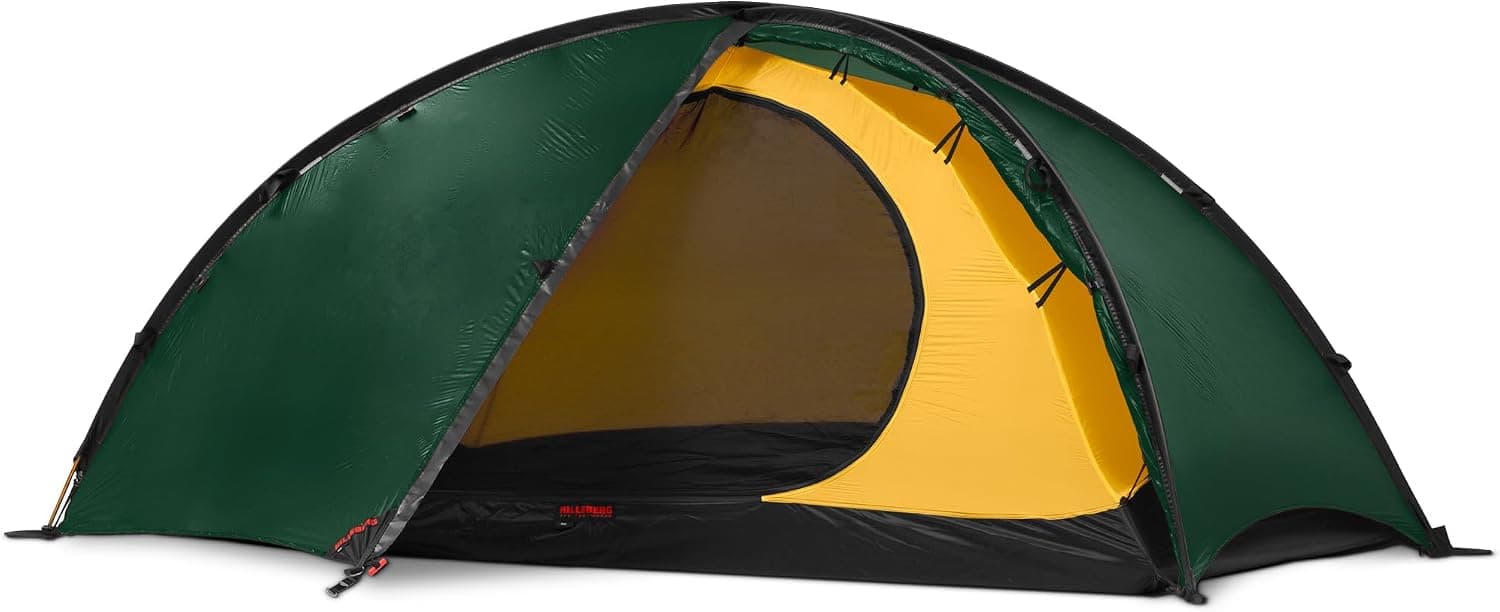 Hilleberg Niak 2
Swedish-built, in Hilleberg's Kerlon 1000 fabric, and the kind of tent Norwegians actually own. Expensive, and it will outlast three cheaper ones.
 Six Moon Designs Lunar Solo
The light end of the scale at 26 oz, pitched with a trekking pole. Best for solo trips where you can pick a sheltered spot rather than sit out a gale.
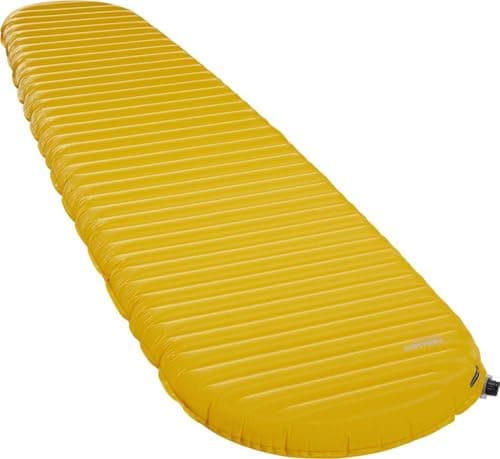 Therm-a-Rest NeoAir XLite NXT
Ground temperatures stay low even in July. An insulated pad does more for your sleep than a warmer bag.
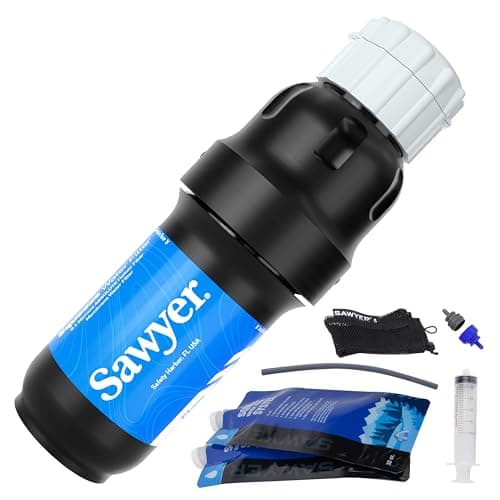 Sawyer Squeeze Water Filter
Most streams are fine. The filter is for the ones below grazing land and the busy trails where they are not.
 Earth Pak Dry Bag
Rain in western Norway arrives sideways and lasts for days. Keep the sleeping bag dry and everything else is recoverable.
- A head net
Mosquitoes peak in July, inland and around bog. The coast and the Lofoten beaches are largely free of them.
One thing you can leave behind in high summer: a powerful head torch. North of the Arctic Circle in late June there is no darkness to walk in. A small light for inside the tent is enough, and you'll want an eye mask more than a lamp.
When to Go
| Region | Season | Notes |
|---|---|---|
| Lofoten | Mid-June to end September | Midnight sun 28 May to 14 July. September is the locals' choice |
| Jotunheimen | Late June to mid-September | Besseggen holds snow until mid-June. Mountain buses run 22 June to 16 August |
| Hardangervidda and Trolltunga | 1 June to 30 September | Unguided Trolltunga season ends 30 September |
| Rondane | 18 June to 10 October | Set by the Spranget road opening |
| Kjerag | Late May to mid-October | Road dependent |
July is the warmest month and the worst for mosquitoes inland. Late August into September gives you firmer ground, autumn colour on the plateau, the fire ban lifting on the 15th, and far fewer people. If you can only go once, go in September.
Getting There
Lofoten is the awkward one, and cheaper than it looks. Fly to Bodø, then take the car ferry to Moskenes, which is free for foot passengers. The Hurtigruten coastal ship from Bodø to Stamsund takes just under four hours. Bus 300 runs the length of the islands from Narvik through Svolvær to Å.
For Jotunheimen, the train from Oslo to Otta takes about three and a half hours and costs between NOK 290 and NOK 940 depending on how far ahead you book, with connecting buses to Lom and the trailheads. For Trolltunga, buses run from Bergen to Odda in about three hours, then the shuttle up to Skjeggedal.
Plan the whole thing on entur.no, which covers every operator in the country in one search.
Plan Your Norwegian Trip
Norway gives you more freedom than almost anywhere in Europe and asks for something in return: that you learn four rules, carry a stove instead of lighting a fire, and read the local signs where councils have had to step in. Get that right and you can walk for a fortnight, sleep somewhere different every night, and pay for nothing but the ferry.
For a first trip, Lofoten in early September is hard to beat. The midnight sun has gone, so has the worst of the crowding, the fire ban lifts halfway through the month, and Flakstad's beaches are legal and empty. If you want mountains rather than coast, walk into Rondvassbu and use it as a base.
For the wider picture, our wild camping in Europe guide covers the laws country by country. Scotland has the closest thing to Norway's right to roam, and the wild camping in Scotland guide explains how it works. France takes the opposite approach with its bivouac tolerance, covered in the wild camping France guide. If you're still choosing a shelter, start with the best trekking pole tents, and for the nights when a tent is more than you need, see camping without a tent.

Jasper Baetens
Hiking enthusiast from Belgium, mainly active in Europe. Created HikeHeaven to share experiences, research, tips, tricks and recommend products — or simply to help other hikers.