Wild Camping Scotland: Laws, Rights, and Best Spots
Discover wild camping Scotland: your legal right to roam, where permit zones apply, and the best regions to pitch a tent in the Highlands.

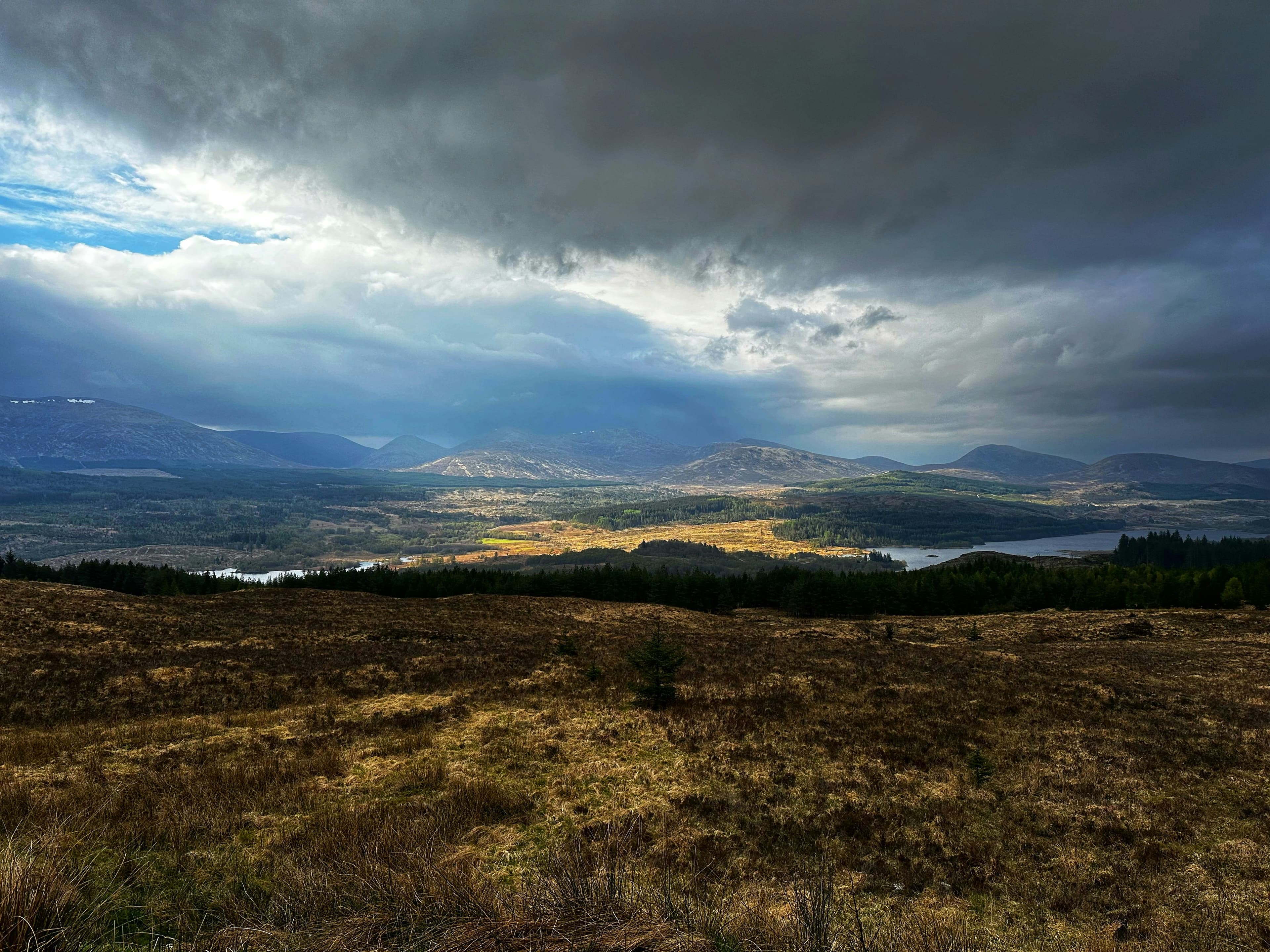
Wild camping in Scotland is legal. Not tolerated, not a grey area, but an actual legal right under the Land Reform (Scotland) Act 2003. Scotland is the only part of the UK where you can pitch a tent almost anywhere without needing a landowner's permission, and the law actively protects your right to do it.
That said, the right comes with responsibilities. Understanding what those are, and where the exceptions apply, is the difference between a great night out and an awkward conversation with a ranger.
The Right to Roam: What the Law Actually Says
The Land Reform (Scotland) Act 2003 grants everyone the right to be on most land and inland water in Scotland for recreation, including overnight camping. This is statute law, not tradition or custom. Landowners cannot simply override it.
The right applies to:
- All rural land, including hills, mountains, and moorland
- Forests and woodland
- The vast majority of rivers, lochs, and reservoirs
- Farmland (with some restrictions around enclosed crops)
The right does not apply to private gardens, buildings and their immediate surroundings, land under active cultivation, or military areas.
In practical terms, responsible wild camping means:
- Camping for no more than two or three nights in any one spot
- Leaving no trace of your camp: no litter, no flattened vegetation, no fire rings
- Not blocking access routes, drainage, or farm tracks
- Keeping noise low near farms, houses, and other campers
- Using a stove rather than open fires where bans are in place
The Loch Lomond Exception
The right to roam applies across Scotland with one well-known complication, the Loch Lomond and The Trossachs National Park camping management zones.
From 1 March to 30 September each year, anyone camping in certain designated zones around Loch Lomond and nearby lochs must hold a valid permit. The permit is available from the national park's online booking system and from ranger stations.
The camping management zones cover:
- The eastern shore of Loch Lomond (Rowardennan to Inversnaid)
- The western shore of Loch Lomond (Luss to Ardlui)
- Loch Chon
- Loch Katrine
- Parts of Loch Earn and Loch Venachar
Outside these zones, and outside the permit season (October to February), the standard right to roam applies throughout the national park.
The Cairngorms National Park, Scotland's other national park, has no camping management zones and no permit requirement. The right to roam applies fully throughout.
Best Regions for Wild Camping in Scotland
Scotland is large and varied. Some regions offer easy access and well-worn routes; others offer genuine remoteness. Here are the areas that consistently deliver the best wild camping in Scotland.
The Northwest Highlands
The northwest corner of Scotland, from Torridon up through Assynt to Knoydart, is the finest wild camping landscape in the UK. The mountains here are built from Lewisian gneiss, some of the oldest rock on Earth. The lochs are clean, the population density is among the lowest in Europe, and the midges are the only real adversary.
Torridon offers three classic peaks (Beinn Alligin, Liathach, Beinn Eighe) with dramatic ridgelines and excellent wild camping in the corries between them. Knoydart, accessible only by boat or a two-day walk from the nearest road, is remote enough that you'll have your pitch to yourself even in peak season.
The Cairngorms National Park
The Cairngorms plateau is the largest area of high ground in the UK, sitting above 900 m for miles in every direction. The weather is genuinely arctic at the top, even in summer. Midges thin out above 700 m, which is a significant benefit.
The Lairig Ghru, the ancient pass through the heart of the Cairngorms, makes a classic two-day route with a wild camp at the halfway point. The Rothiemurchus Forest on the northern approach and the Mar estate to the south both offer excellent camping among Caledonian pines.
Isle of Skye
The Cuillin Ridge on Skye is one of the most demanding walking environments in Britain. The gabbro rock and frequent cloud make navigation hard, but the wild camping below the ridge, particularly around Loch Coruisk, is exceptional.
Away from the Cuillin, the Trotternish Ridge in the north of the island provides easier terrain with dramatic volcanic scenery. The Quiraing and the Old Man of Storr are both accessible, with good wild camping spots away from the car parks and day visitors.
Galloway Forest Park
The least-known of Scotland's major wild camping areas, the Galloway Forest Park in the southwest covers over 300 square miles of dark forest, high moorland, and clean rivers. It holds some of the darkest skies in the UK, making it particularly good for autumn and winter camping.
The Southern Upland Way passes through the park, and the area around Loch Trool has several solid spots away from the main paths.
The Cairngorm Fringes and Angus Glens
Less frequented than the main Cairngorm plateau, the glens running south from the massif (Glen Esk, Glen Clova, Glen Doll) offer excellent multi-day routes with good camping on the high ground between them. The terrain is gentler than the northwest, and the paths are well-established without being busy.
Practical Challenges: Midges, Weather, and Water
Wild camping in Scotland is genuinely excellent, but it comes with three challenges worth understanding before your first trip.
Midges
The Highland midge (Culicoides impunctatus) is small, persistent, and highly effective at making your evening miserable. Midges are worst from late May through late August, particularly in the northwest, and particularly during calm, humid weather around dawn and dusk.
Effective strategies:
- Camp on exposed ridges and summits where wind keeps midges away
- Set up and break camp quickly during calm periods
- Carry a midge head net for the worst conditions at camp
- Use Smidge spray. Made in Scotland specifically for Highland midges, it outperforms standard DEET-based repellents significantly
Cold and windy weather keeps midges down. As does rain, which you'll get plenty of.
Weather
Scottish mountain weather is genuinely unpredictable. A fine June morning can turn to sleet within an hour at altitude. The mountains generate their own micro-climates, and forecast accuracy drops significantly above 600 m.
The practical rule: carry 4-season kit even in summer. A sleeping bag rated to at least 0°C comfort, a waterproof shelter you trust, and a spare insulating layer are not excessive. Hypothermia risk is real on the Scottish plateau even in July if the weather turns while you're on the ridge.
Water
Scotland has abundant fresh water, and above the treeline, most mountain streams and high lochs are safe to drink directly. Below the treeline and near farms, livestock and agricultural runoff make filtering advisable.
A lightweight filter adds less than 100 g to your pack and removes any uncertainty. Worth carrying below 500 m elevation.
Essential Gear for Scottish Wild Camping
Scottish conditions require specific choices. The mountains here are not extreme altitude, but the weather is more demanding than most of western Europe.
Recommended Gear
- 4-season sleeping bagEssential
A bag rated to -5°C comfort gives you genuine margin in unpredictable Highland conditions. Down packs smaller and is warmer for weight; synthetic handles damp better if your shelter leaks.
- Double-wall tentEssential
Single-skin shelters suffer heavy condensation in Scottish humidity. A good double-wall tent manages it far better. Keep weight under 2 kg for mountain camping.
- Waterproof hardshell rated 20,000 mm+Essential
Scottish rain is relentless and near-horizontal in a storm. A proper hardshell, not a softshell, is necessary for ridge and summit camping.
- Smidge midge repellentEssential
More effective than DEET-based products against Highland midges. Small spray bottle for day use. Buy before you go as it's hard to find outside Scotland.
- Midge head net
For bad midge evenings at camp while cooking or setting up. Weighs almost nothing and makes a miserable situation manageable.
- Water filter (Sawyer Squeeze or similar)
For camping below the treeline or near farmland. Adds 100 g maximum and removes the guesswork from water sources.
- Insulating mid-layerEssential
A down or synthetic puffy for evenings and cold mornings at camp. Down works in dry conditions; synthetic handles Scottish damp better.
- 1:25,000 OS map and compassEssential
GPS watches fail in whiteout conditions. The Ordnance Survey Landranger (1:50,000) or Explorer (1:25,000) maps for your area, plus a compass and the skill to use them, are non-negotiable above 600 m.
Campfires in Scotland
Open fires have a long tradition in Scotland, and the Land Reform Act does not prohibit them outright. The Scottish Outdoor Access Code says you can have a campfire as long as you keep it small, use only fallen or dead wood, never light fires during dry conditions, and fully extinguish before leaving.
In practice, Scotland is often too wet for fire bans to be a concern. But during dry spells, particularly in spring, fires are a genuine risk to the moorland and heather.
The easier answer is simply to use a stove. It's faster, lighter, and leaves no trace. Fire as atmosphere has a place on the right night in the right location. Fire as a cooking method has largely been replaced by a 25 g titanium pot and a gas canister.
Scotland vs the Rest of the UK
The contrast with England and Wales is stark. England's "right to roam" under the Countryside and Rights of Way Act 2000 covers designated open access land (mountains, moors, heathland, downs, and registered common land), but wild camping has no legal basis in England or Wales. You technically need landowner permission south of the border.
Some areas in England tolerate wild camping by custom (Dartmoor is the one exception where it's technically permitted on most of the moor). The Lake District, Peak District, and Yorkshire Dales do not. Wild camping happens in all of these places regularly, but it's legally different from Scotland and carries real risk of being moved on.
For a full picture of wild camping laws across Europe, see our wild camping in Europe guide.
Plan Your Scottish Wild Camp
Scotland's right to roam is one of the best pieces of outdoor legislation anywhere in Europe. It gives you genuine freedom to sleep out in some of the finest mountain landscapes in the world, with minimal bureaucracy.
Start in the Cairngorms if you want a straightforward introduction. The terrain is open, the right to roam applies fully, and the mountains above 900 m are spectacular without requiring technical scrambling. For something more remote, the Northwest Highlands will test your navigation and reward you accordingly.
Carry good kit, respect the land, and check the midge forecast before committing to a glen-level pitch on a calm August evening.
For the full picture of wild camping across the continent, see our wild camping in Europe guide, or our wild camping in France guide for the Alps and Pyrenees bivouac rules. And for planning a multi-day Scottish route, our guide to the best trekking pole tents covers the lightest shelter options available.
Last updated on June 21, 2026.

Jasper Baetens
Hiking enthusiast from Belgium, mainly active in Europe. Created HikeHeaven to share experiences, research, tips, tricks and product recommendations, or simply to help other hikers.