Can You Take a Hiking Backpack as Carry-On?
The real rules for flying with a hiking backpack as carry-on luggage. Airline size limits, what gets flagged at security, and which 30-40L packs actually fit.

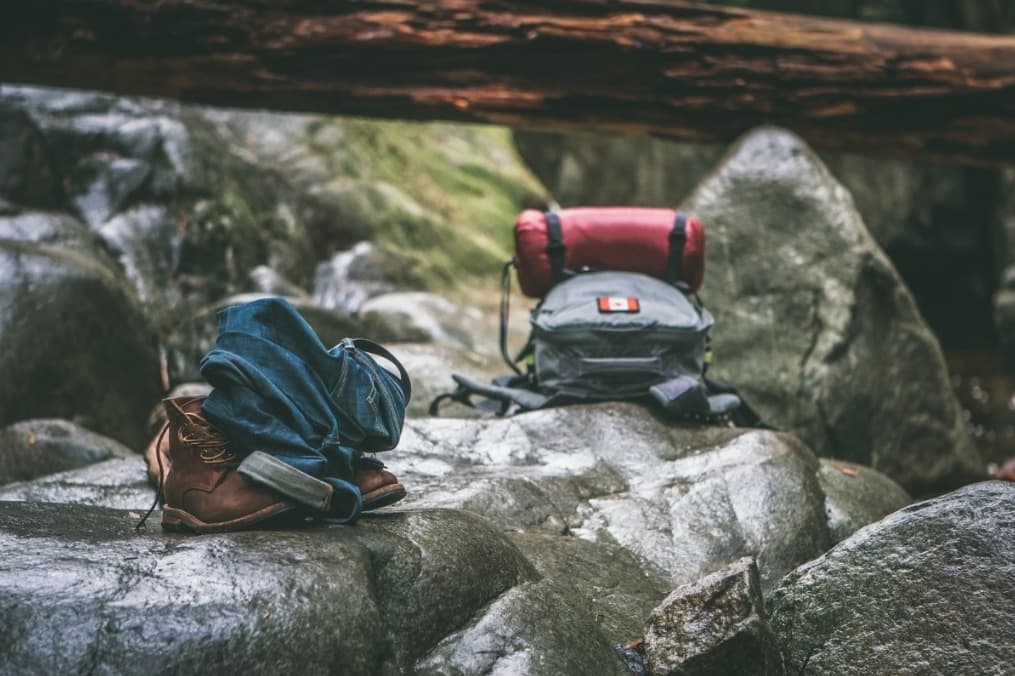
Flying with a hiking backpack is entirely possible, but the rules are stricter than most people expect. The short answer: a 30 to 40 litre hiking pack will fit within most airline carry-on limits, but you need to know which items are banned, how different airlines measure bags, and how to compress and organise your pack to pass the gate check.
The IATA Standard and Why Airlines Ignore It
The International Air Transport Association (IATA) publishes a recommended carry-on size: 56 x 45 x 25 cm (55 litres maximum volume). That number gets cited everywhere as if it were law. It isn't. The IATA standard is a recommendation, and individual airlines set their own rules.
In practice, most major carriers come close to the IATA guideline, but the differences matter when your pack is borderline. Here are the actual limits for common airlines:
- Ryanair: 40 x 20 x 25 cm (personal bag, free) or 55 x 40 x 20 cm (priority boarding, paid)
- easyJet: 56 x 45 x 25 cm, max 15 kg
- British Airways: 56 x 45 x 25 cm, max 23 kg in cabin
- KLM: 55 x 35 x 25 cm, max 12 kg
- Lufthansa: 55 x 40 x 23 cm, max 8 kg
- Delta: 56 x 35 x 23 cm
- United: 56 x 35 x 22 cm
- Emirates: 55 x 38 x 20 cm, max 7 kg
- Norwegian: 55 x 40 x 23 cm, max 10 kg
Always check the specific airline's website before you fly. Rules change. Budget carriers are the most aggressive about enforcement, particularly Ryanair and Wizz Air, which often charge gate fees for bags that don't fit their exact size gauges.
Which Backpacks Actually Fit as Carry-On
The practical rule: any hiking backpack between 30 and 40 litres that doesn't have a rigid external frame will fit within most airline carry-on limits, provided you pack it correctly.
Packs that reliably work:
- 25 to 35 litre daypacks: Almost always within limits. These are the sweet spot for carry-on hiking travel. Osprey Hikelite 26, Deuter Speed Lite 30, and similar packs sit comfortably under 56 x 45 x 25 cm when loaded.
- 40 litre packs: Generally fine on most carriers, but can be borderline on budget airlines. A 40L pack loaded to the top and with a fully extended back panel may exceed Ryanair or Wizz Air limits.
- 45 to 55 litre packs: Technically within IATA specs but risky on smaller-gauge airlines. Most 50L backpacking packs are designed for checked luggage.
- 60L and above: These are checked luggage. Don't try to bring them in the cabin.
Packs designed with carry-on travel in mind:
Several manufacturers now make carry-on-compliant packs specifically for this use case. The Osprey Farpoint/Fairview 40 is widely cited as the benchmark, as it folds flat, has lockable zippers, and fits within most airline gauges. The Gregory Carry-On 40 and the REI Ruckpack 40 serve similar purposes. If you're choosing a pack from scratch, our roundup of the best hiking backpacks covers sizing and fit in more detail.
How to Pack a Hiking Backpack for Air Travel
Packing strategy matters as much as pack size. A badly packed 35L bag can fail a gauge check because it's been overstuffed into a blob shape. A well-packed 40L bag lies flat and compresses neatly.
Before you pack:
Strip out anything you don't need for the flight. If you're heading straight from the airport to a trailhead, think carefully about what you actually need in the cabin. Sleeping bags, sleeping pads, and tent poles almost always work better as checked luggage or in a separate checked bag.
The layering approach:
- Pack the heaviest items flat against the back panel: rain jacket, extra layers, shoes if you're carrying them.
- Fill the middle section with soft, compressible items: clothing, fleece, socks. Use compression packing cubes to reduce bulk significantly.
- Place frequently needed items in the lid pocket or front pocket: documents, cables, headphones, snacks.
- Compress fully. Most hiking packs have compression straps on the sides. Cinch these tight before measuring.
Compression cubes make a genuine difference. A week's worth of hiking clothing stuffed loosely into a 40L pack takes about 28 litres. The same clothing in three compression packing cubes takes about 18 litres, which is enough slack to keep the pack well under gauge dimensions.
Items That Get Flagged at Security
This is where most hikers run into problems. Packing a hiking backpack for a flight isn't just about size. Some standard hiking kit is prohibited in carry-on luggage entirely, and other items require careful preparation to pass screening.
Prohibited in carry-on luggage (internationally):
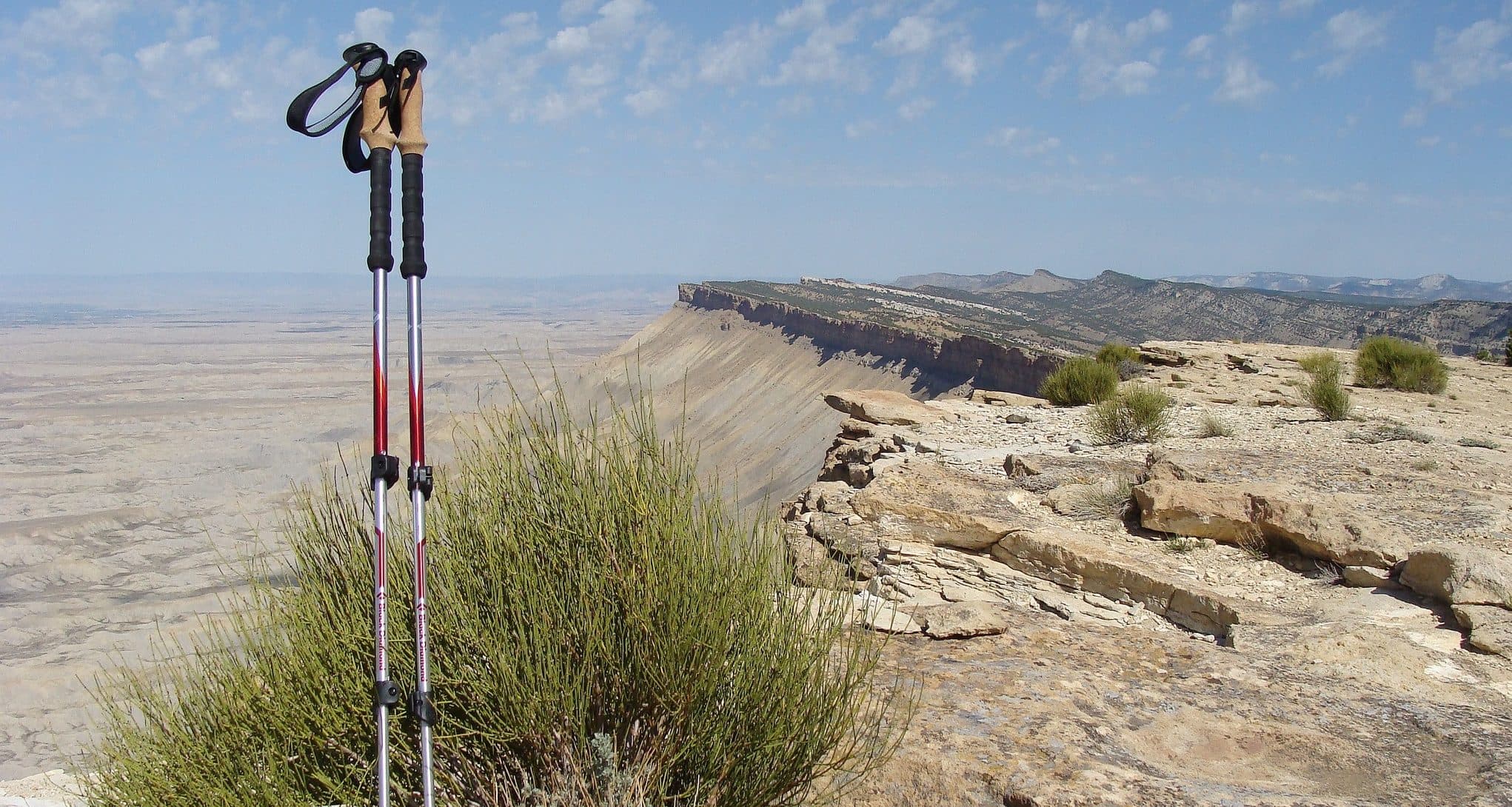
- Trekking poles: Trekking poles are prohibited in carry-on luggage by the TSA, EU aviation authorities, and most national regulators. They must go in checked luggage. There are no exceptions for collapsible poles.
- Fuel canisters (full or empty): Isobutane and propane canisters are classified as hazardous materials. Even empty canisters can be refused because residual fuel remains. Leave the canister at home and buy one at your destination.
- Ice axes and crampons: Both are on the prohibited list for carry-on luggage, regardless of size.
- Trekking/hiking knives: Any blade over 6 cm in most jurisdictions goes in checked luggage.
- Bear spray: Prohibited in all aircraft, cabin and hold. Purchase at your destination.
Items that require preparation:
- Water filter pumps and gravity filters: Allowed in carry-on, but hollow fibre filters with standing water will trigger additional screening. Dry the filter completely and seal it in a clear bag.
- Trekking pole tent stakes: Metal stakes are a grey area. Technically allowed if under a certain length, but airport security staff have discretion. Pack them in checked luggage or mail them ahead.
- Multi-tools: Allowed if the blade is under 6 cm (and in the EU, if it has no locking blade). Pack in checked luggage if you're unsure.
- Hiking poles (folding): Some ultra-short folding poles (sub-40 cm collapsed) have been allowed on a case-by-case basis, but this is not consistent. Don't rely on it.
For a complete breakdown of what to bring on your first big hike, check our guide to common first hike mistakes for the gear decisions that catch beginners out.
Practical Tips for Flying with Hiking Gear
Check the airline rules 72 hours before flying. Rules change, and the version on the website when you booked may have been updated. Confirming 72 hours out gives you time to rearrange your packing strategy.
Fly with a carrier that weighs carry-on bags. Most major carriers (British Airways, Lufthansa, KLM, Delta) don't weigh carry-on bags in practice, even if there's a stated limit. Budget carriers like Ryanair sometimes weigh bags at the gate. A 40L hiking pack loaded with a week's camping gear can easily hit 15 kg, which fails most weight limits.
Attach a luggage lock. Lockable zippers deter theft and also reduce the likelihood of your pack being opened for additional screening after you've passed the main security checkpoint.
Use a rain cover during travel. A rain cover keeps your pack's straps and hip belt compressed and protected during baggage handling if you do check it. It also makes the pack easier to identify on a conveyor belt.
Consider a hybrid approach. For multi-week hiking trips, carry on your most valuable gear (camera, electronics, technical clothing) and check a lighter bag with your tent, sleeping bag, and poles. Many budget travellers use a cheap additional checked bag rather than pay premium carry-on fees on budget carriers.
Ship bulky gear ahead. If you're based somewhere accessible, shipping your tent, poles, and sleeping bag to your destination by courier is often cheaper than paying checked baggage fees on a budget carrier. Services like Royal Mail International or DHL make this practical for European trips.
What Happens If Your Pack Is Too Big
Gate agents have discretion over how strictly they enforce size limits. At busy hub airports on full flights, enforcement is stricter. At quieter times or on larger aircraft with more overhead bin space, agents are often more flexible.
If your pack genuinely exceeds the size limit, you'll typically be asked to gate-check it (meaning it goes in the hold for free on most carriers) or pay an oversized baggage fee. Gate-checking is usually fine for hiking packs. The main risk is that the bag will be handled more roughly than checked luggage, and any external items (hip belt, rain cover, attachments) may snag on baggage equipment.
If you're flying on a route where space is genuinely tight, learn what to pack for your first hike and strip your pack down to only essentials before arriving at the airport.
The Bottom Line
A 30 to 40 litre hiking backpack is a practical carry-on bag for most airlines. The key variables are which airline you're flying with (budget carriers are stricter), how well you pack and compress the bag, and whether you've removed prohibited items like trekking poles and fuel canisters before arriving at the airport.
The best approach for frequent hiking travellers is a purpose-built carry-on pack like the Osprey Farpoint 40 that's designed to meet airline gauge dimensions from the start. For occasional hiking trips, a well-compressed standard daypack works fine on most routes. Strip your kit back to essentials, check the specific rules for your carrier, and you'll clear security without drama.
Looking for gear to streamline your hiking kit? Our guide to hiking socks covers lightweight merino options that compress well and save space in a travel pack.
Last updated on June 21, 2026.

Jasper Baetens
Hiking enthusiast from Belgium, mainly active in Europe. Created HikeHeaven to share experiences, research, tips, tricks and recommend products — or simply to help other hikers.