Altra vs Hoka: Which Running Shoe Brand Is Right for You?
Compare Altra vs Hoka for running: zero drop vs rocker, toe box width, cushioning, durability and six model match-ups from road to trail.

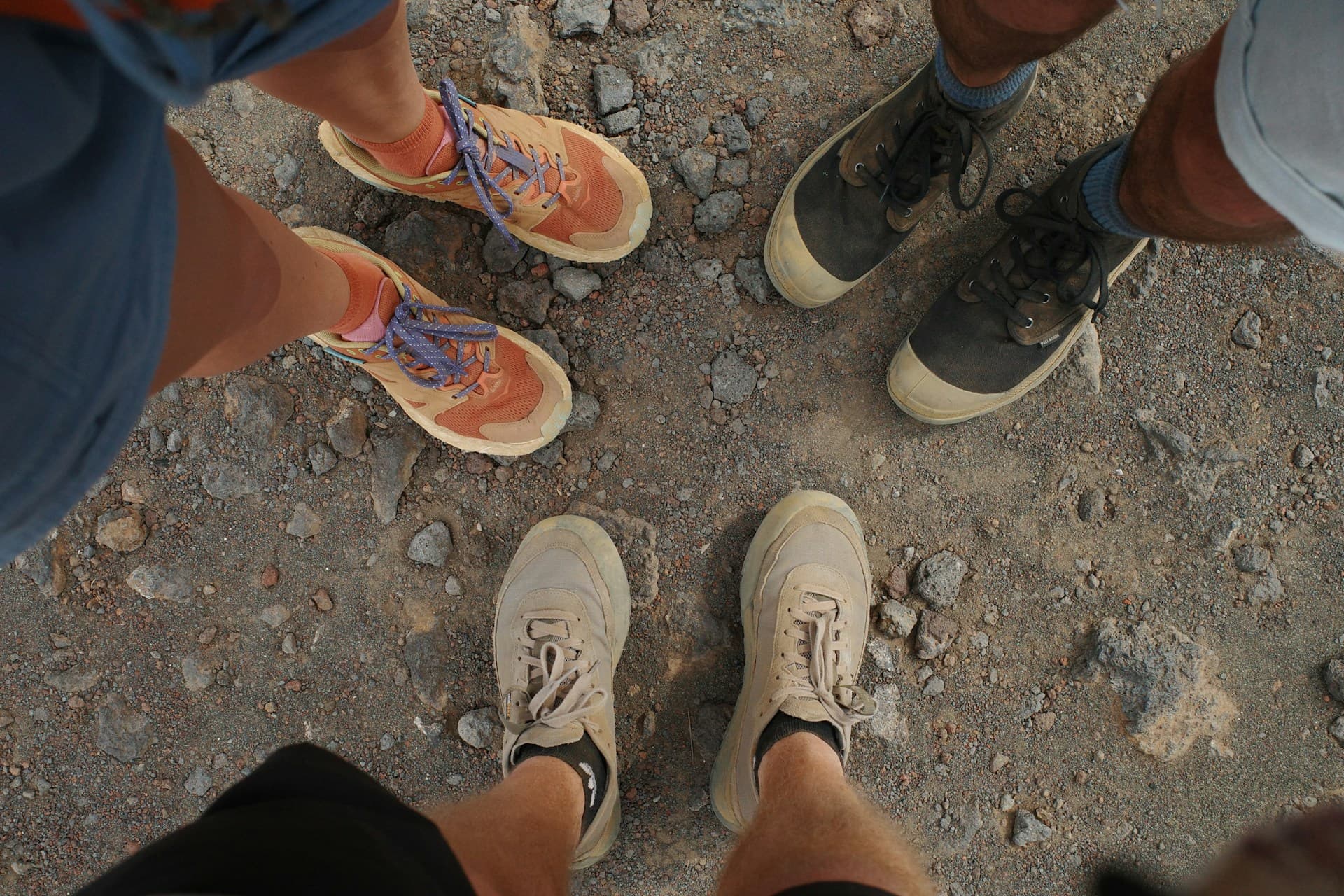
Altra vs Hoka is a choice between two ideas of what a running shoe should do. Altra gives your feet room and a level platform: a wide, foot-shaped toe box and, on most models, zero drop from heel to toe. Hoka gives you deep cushioning and a rocker that rolls you forward, usually with a 5 to 8mm drop. Pick Altra if your toes feel cramped or you want a more natural stride, and Hoka if you want maximum cushioning and an easy transition from a standard shoe.
Both brands make excellent road and trail shoes, and plenty of runners own a pair of each. This guide explains how they differ, what that means for your legs, and which model to pick from each brand for six common types of running.
What runners say
Altra
Loved by runners who want room for their toes and a natural, level feel underfoot.
Praised for
- The widest toe box of any mainstream brand
- Natural, level ride with good ground feel
- Lone Peak, a long-time thru-hiker favourite
- Three fit widths, from Slim to Original
Common complaints
- Calf and Achilles soreness when switching to zero drop too fast
- Outsoles that wear quickly, especially on pavement
- Less cushioning for very long runs
- A narrow heel on some models
Hoka
The cushioning specialist, with a smooth rocker that makes long miles feel easier.
Praised for
- Deep cushioning that protects tired legs
- Smooth, rolling ride from the Meta-Rocker
- Easy switch from a standard running shoe
- Durable outsoles and great grip on the Speedgoat
Common complaints
- Narrow toe box, especially on trail models
- Speedgoat sizing that runs about half a size small
- Foam that can feel flat after 300 to 500 miles
- Tall stacks that feel less stable on technical ground
Based on recurring feedback from runners on Reddit, running forums and retailer reviews, plus RunRepeat lab measurements, podiatrist guidance and other independent testers.
Altra vs Hoka at a Glance
| Altra | Hoka | |
|---|---|---|
| Founded | 2009, Utah | 2009, Annecy, France |
| Owner | VF Corporation | Deckers Brands |
| Signature idea | Zero drop and a foot-shaped toe box | Max cushion and a Meta-Rocker |
| Typical drop | 0mm (4mm on a few models) | 4 to 8mm |
| Typical stack height | 25 to 37mm | 37 to 44mm |
| Toe box | Wide, in three fit widths | Medium to narrow |
| Wide versions | Many models | 2E and 4E on most road models |
| Best-known shoes | Lone Peak 9, Torin 9 | Clifton 11, Speedgoat 7, Bondi 9 |
| Typical price | $145 to $195 | $150 to $185 |
Brand Overview
Altra: Room to Move
Altra grew out of a running shop in Utah, where co-founder Golden Harper started cutting the heels off customers' shoes to level them out. The brand launched in 2009 and has been owned by VF Corporation, the group behind The North Face, since 2018.
Two ideas define Altra. Balanced Cushioning means the heel and forefoot sit at the same height, so there's no drop. FootShape means the toe box follows the outline of a real foot, letting your toes spread as you land. Altra sells it in three widths: Original (widest), Standard and Slim.
One thing many comparisons miss: Altra is no longer all zero drop. The Experience Wild 3 and FWD VIA 2 have a 4mm drop, which makes them an easier first step into the brand.
Hoka: Maximum Cushion, Rolling Ride
Hoka was founded in 2009 in Annecy, France, by two former Salomon employees, and has been owned by Deckers since 2013. It made its name with oversized midsoles that looked strange at first and are now everywhere.
Its signature is the Meta-Rocker, a curved sole that rolls you from landing to toe-off. Combined with stack heights of 38 to 44mm on many models, that makes Hoka shoes feel protective and efficient, especially when your legs are tired. Hoka's toe boxes are more conventional, with a medium fit that some runners find narrow up front.
Zero Drop vs Heel Drop
Winner: depends on your legs. Drop is the height difference between your heel and your forefoot. Most running shoes have 8 to 12mm, Hoka usually has 5 to 8mm, and Altra has zero on most models.
With zero drop, your calves and Achilles tendons work harder, because your heel sits lower than you're used to. Many runners find it encourages a shorter stride and a midfoot landing. The catch is the transition. Podiatrist Dr Tom Biernacki recommends a four to eight week transition when moving to zero drop, building up mileage gradually so your calves and Achilles can adapt.
Hoka's moderate drop and rocker take load off the calves and Achilles instead. That's why Hoka is the easier switch from a standard running shoe, and why it often suits runners with tight calves or Achilles issues.
Toe Box and Fit
Winner: Altra. This is Altra's biggest advantage. RunRepeat measured the toe box of the Altra Lone Peak 9 at 85.3mm at the big toe, against 71.4mm for the Hoka Speedgoat 7. The average across the shoes it tests is 74.3mm, so that's a difference you'll feel the moment you put them on.
If you have wide feet, bunions or toes that go numb on long runs, Altra is usually the better fit. Hoka does offer wide (2E) and extra-wide (4E) versions of most road shoes, which helps with overall volume, but the toe box shape stays more tapered.
Sizing differs too. RunRepeat found the Speedgoat 7 runs about half a size small, while the Lone Peak 9 runs true to size. Many runners go up half a size in Hoka trail shoes.
Cushioning and Ride
Winner: Hoka. If you want maximum protection, Hoka is the brand to beat. A Clifton 11 has a stack of about 43mm at the heel, against 28mm on the Altra Torin 9. On long runs, that extra foam reduces the pounding on your legs.
Altra's cushioning is more moderate and more even. With the same height front and back, you feel more connected to the ground and less "perched" on the shoe. Some runners love that ground feel, while others miss the cushioning once they pass the half-marathon mark.
Hoka's rocker also changes the ride. It feels efficient and smooth, particularly at easy paces. Altra shoes are flatter and more neutral, which feels natural but gives you less help when you're fatigued.
Durability
Winner: Hoka, narrowly. Hard data is limited, but RunRepeat's abrasion test found the Speedgoat 7's outsole wore just 0.6mm, against 0.8mm for the Lone Peak 9. Both beat the 0.9mm average. Runners often report Altra outsoles wearing faster, especially when trail shoes are used on pavement.
Hoka's weak point is the midsole. Soft, thick foam can feel flat after 300 to 500 miles, even if the outsole looks fine. As a rough guide, expect 300 to 500 miles from either brand and replace your shoes when the cushioning stops feeling protective.
Model Match-Ups
These are the current-generation pairings as of autumn 2026, matched by the kind of running they're built for. Weights are approximate for a men's US 9.
| Running type | Altra | Hoka |
|---|---|---|
| Daily road | Torin 9: $160, 269g, 28/28mm, 0mm drop | Clifton 11: $155, 261g, 43/35mm, 8mm drop |
| Max cushion road | FWD VIA 2: $165, 300g, 37/33mm, 4mm drop | Bondi 9: $175, 306g, 44/39mm, 5mm drop |
| Stability | Paradigm 8: $170, 308g, 30/30mm, 0mm drop | Arahi 9: $150, 275g, 41/33mm, 8mm drop |
| All-round trail | Lone Peak 9: $145, 316g, 25/25mm, 0mm drop | Speedgoat 7: $165, 272g, 38/33mm, 5mm drop |
| Max cushion trail | Olympus 7: $195, 325g, 33/33mm, 0mm drop | Mafate 5: $185, 315g, 44/36mm, 8mm drop |
| Road to trail | Experience Wild 3: $150, 315g, 32/28mm, 4mm drop | Challenger 8: $155, 275g, 44/37mm, 7mm drop |
Daily Road: Torin 9 vs Clifton 11
The Altra Torin 9 is Altra's everyday road trainer, with moderate cushioning, zero drop and a roomy toe box. The Hoka Clifton 11 is one of the most popular running shoes in the world: light, soft and smooth, with an 8mm drop.
Pick the Torin if you want space for your toes and a level, natural feel. Pick the Clifton if you want more cushion and an easy transition from a typical running shoe.
Max Cushion Road: FWD VIA 2 vs Bondi 9
The Hoka Bondi 9 is Hoka's plushest road shoe, built for recovery runs, long easy miles and runners who spend all day on their feet. The Altra FWD VIA 2 is Altra's answer, pairing a 37mm stack with a 4mm drop.
Pick the FWD VIA 2 if you want maximum cushion with Altra's wide toe box. Pick the Bondi 9 if you want the softest ride and wide or extra-wide sizing.
Stability: Paradigm 8 vs Arahi 9
Both are stability shoes for runners whose feet roll inward. The Altra Paradigm 8 uses GuideRails along the sides, while the Hoka Arahi 9 uses a firmer J-Frame foam to guide your foot. If overpronation is your main concern on trails too, our guide to the best trail running shoes for overpronation goes deeper.
Pick the Paradigm for more toe room. Pick the Arahi for a lighter, more cushioned shoe with a conventional drop.
All-Round Trail: Lone Peak 9 vs Speedgoat 7
This is the match-up trail runners ask about most, and the two shoes couldn't be more different. The Altra Lone Peak 9 is low, flexible and roomy, with 25mm of foam and zero drop. It's a favourite with thru-hikers and runners who like to feel the trail.
The Hoka Speedgoat 7 is tall, cushioned and grippy, with Vibram Megagrip rubber and a measured drop closer to 7mm. It's the better shoe for long, rocky descents and ultra distances.
Altra Lone Peak 9 vs Hoka Speedgoat 7
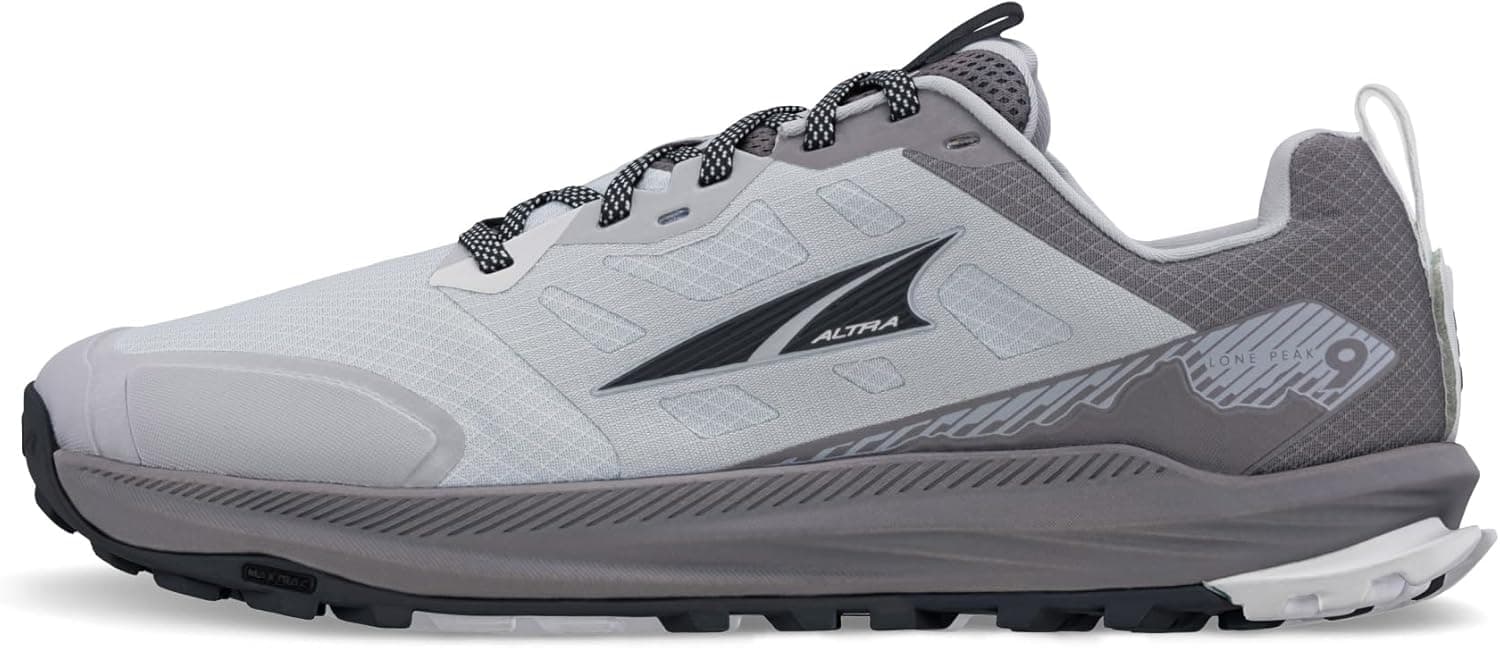
Altra Lone Peak 9
$145
?Estimated price — check latest price on Amazon
Wide feet, thru-hiking and runners who like ground feel
Pros
- ✓Very wide toe box, 85.3mm at the big toe
- ✓Zero drop and good ground feel
- ✓True to size
- ✓Lower price
Cons
- ✕Less cushioning for long, rocky descents
- ✕Outsole wears faster
- ✕Needs a gradual transition
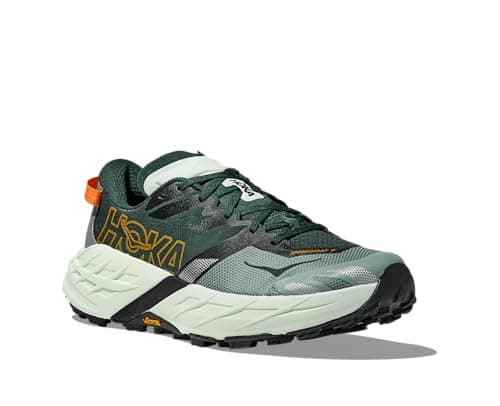
Hoka Speedgoat 7
$165
?Estimated price — check latest price on Amazon
Ultras, technical descents and maximum protection
Pros
- ✓Deep cushioning for long distances
- ✓Vibram Megagrip with excellent grip
- ✓Lighter at about 272g
- ✓Durable outsole in lab testing
Cons
- ✕Narrow toe box
- ✕Runs about half a size small
- ✕Higher price
On r/Ultralight, one runner summed it up: the two are "not at all comparable shoes", with the Speedgoat far stiffer and the Lone Peak far roomier. If you want Megagrip on the Altra, the Lone Peak 9+ adds it for $160.
Max Cushion Trail: Olympus 7 vs Mafate 5
The Altra Olympus 7 is Altra's most cushioned trail shoe, with 33mm of foam, zero drop and Vibram Megagrip. The Hoka Mafate 5 goes even taller at 44mm in the heel, with 5mm lugs for loose, steep ground.
Pick the Olympus for cushioning without giving up toe room. Pick the Mafate for the most protection on long mountain days.
Road to Trail: Experience Wild 3 vs Challenger 8
If your runs mix pavement, gravel and easy trails, these are the shoes to compare. The Altra Experience Wild 3 has a 4mm drop, making it a gentle introduction to Altra. The Hoka Challenger 8 feels like a road shoe with extra grip, cushioned and smooth on hard-packed paths.
Which Is Better for Common Problems?
Shoes can't fix an injury on their own, so see a podiatrist or physio if pain persists. That said, some patterns are well established.
- Wide feet and bunions: Altra. The wider toe box reduces pressure on the joint at the base of your big toe.
- Plantar fasciitis: usually Hoka. Dr Biernacki notes that zero drop can aggravate plantar fasciitis in some patients and favours cushioned models like the Bondi and Clifton. Our guide to trail running shoes for plantar fasciitis covers more options.
- Tight calves or Achilles problems: Hoka. The drop and rocker take load off the back of your leg.
- Morton's neuroma and toe problems: Altra, because there's less squeezing across the forefoot.
Both brands have models with the American Podiatric Medical Association's Seal of Acceptance, including the Hoka Bondi 9 and Altra Experience Wild 2.
Altra vs Hoka for Hiking
Both brands are popular with hikers, not just runners. The Lone Peak is one of the most common shoes on long-distance trails, thanks to its toe room and light weight. Hoka's cushioning suits hikers with sore knees, and its Speedgoat and Kaha models are trail favourites. For a deeper look at a hiking-first comparison, see our Altra vs Topo Athletic guide and our Hoka vs Salomon comparison.
Which Brand Should You Choose?
Choose Altra if:
- Your toes feel cramped in most running shoes
- You have wide feet or bunions
- You like ground feel and a natural, level platform
- You're willing to transition gradually to zero drop
Choose Hoka if:
- You want maximum cushioning for long runs
- You have tight calves, Achilles issues or plantar fasciitis
- You're switching from a standard running shoe and want an easy transition
- You like a smooth, rolling ride
Still torn? Start with the shoe you'll use most.
For trail running, compare the Altra Lone Peak 9 and the Hoka Speedgoat 7. For the road, start with the Torin 9 and the Clifton 11. New to the trails? Our trail running shoes guide explains what to look for.
Frequently Asked Questions

Jasper Baetens
Hiking enthusiast from Belgium, mainly active in Europe. Created HikeHeaven to share experiences, research, tips, tricks and product recommendations, or simply to help other hikers.