The GR20 for Beginners: A Realistic Guide
The GR20 crosses 180km of Corsican wilderness and earns its reputation as Europe's toughest long trail. Here's what a fit beginner actually needs to know.

The GR20 has a reputation that arrives before you do. Locals will tell you it's the hardest long-distance trail in Europe. They're not wrong, but GR20 hiking as a beginner isn't impossible if you're a motivated first-timer. It means going in with accurate expectations and a plan that matches your experience level.
What Is the GR20?
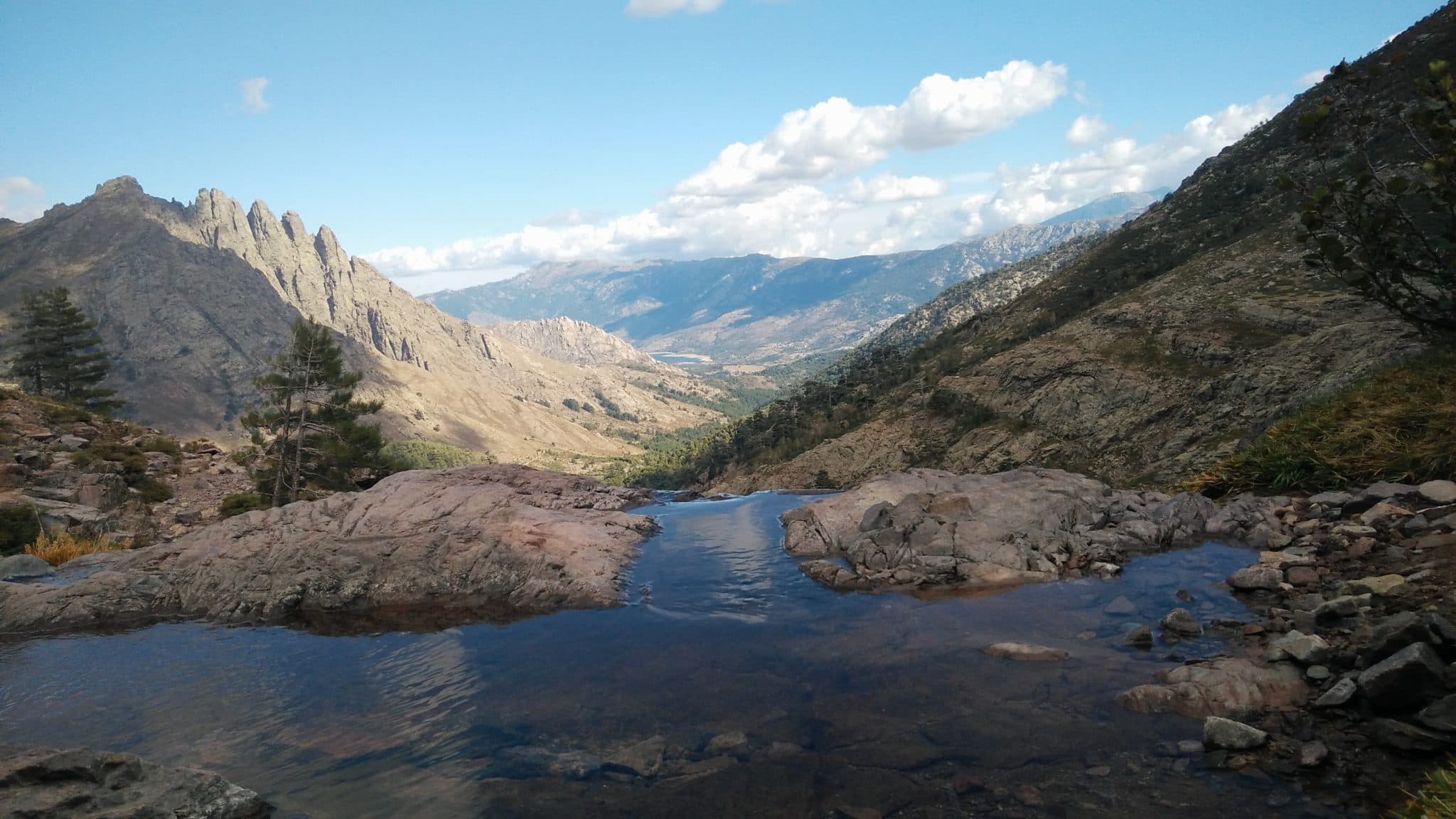
The GR20 (Grande Randonnée 20) runs 180km from Calenzana in the north of Corsica to Conca in the south. The route crosses 16 official stages, gains around 12,000m of elevation in total, and traverses some of the most rugged granite terrain in Europe. You're not walking through meadows here. The trail crosses exposed ridges, drops into remote valleys, scrambles over boulder fields, and in several sections requires your hands as much as your feet.
Most hikers take 15 to 20 days to complete the full route. It's not the distance that slows you down; it's the terrain. Some stages cover only 12-15km but take 7 or 8 hours because the ground is relentless.
GR20 Difficulty for a Beginner: An Honest Assessment
Here's the thing most trail write-ups skip: the GR20 has two very different personalities depending on which half you're walking.
The northern section (stages 1-8) is the one that earns the GR20 its reputation. It includes Grade 1-2 scrambling on exposed granite, fixed chain sections where you're essentially climbing with the trail as a guide, and ridge traversals where a slip would be serious. Cirque de la Solitude, the most technical section, was permanently closed after a fatal rockfall in 2015 and rerouted. The current route is safer but still demanding.
The southern section (stages 9-16) is genuinely more forgiving. There's still significant elevation gain and some scrambling, but you can hike it with solid fitness and a multi-day pack without needing technical experience. The terrain is beautiful: pine forests, volcanic rock, and lower ridges that feel achievable rather than intimidating.
For a fit beginner, the realistic approach is to start at Conca and hike north through the southern section first. If you're growing in confidence and enjoying the trail, you can continue into the north. If the southern section is harder than expected, you've still completed one of Europe's great long-distance hikes.
North vs South: What to Expect
| Section | Stages | Distance | Key Features |
|---|---|---|---|
| North (Calenzana to Vizzavona) | 1-8 | ~90km | Scrambling, chains, exposed ridges, most dramatic scenery |
| South (Vizzavona to Conca) | 9-16 | ~90km | Forests, gentler terrain, better for first-timers |
Vizzavona, halfway along the route, sits on a main road and has a train station. It's a natural split point. Many hikers complete just the south (stages 9-16 in reverse, starting at Conca) as a standalone trip. Others do only the north. Very few first-timers complete both halves on a single trip and feel they were underprepared.
When to Go
The trail is officially open from June through September. The window matters.
June is excellent: cooler temperatures, fewer people, wildflowers still in bloom. Snow can linger on high sections in early June, so check conditions before you set out. The trade-off is that some refuges haven't opened for the season yet.
July and August are peak season. Refuges fill up fast, and the most popular sections feel crowded. Temperatures on the ridge can exceed 30°C, which makes the already hard terrain genuinely draining. Book refuge spots weeks in advance.
September is arguably the best month. Crowds drop significantly after the first week, temperatures cool, and the refuges are still staffed. The light is better for photos too.
Getting There
Starting from the south (Conca): Fly into Ajaccio (AJA) on the west coast. From Ajaccio, take a bus or hire a car to Porto Vecchio, then continue to Conca. The journey takes roughly 2-3 hours by bus.
Starting from the north (Calenzana): Fly into Bastia (BIA) on the northeast tip of Corsica. From Bastia, take a bus to Calvi, then another bus to Calenzana. Allow 2-3 hours.
Most budget airlines serve both airports from major European hubs in summer. Ryanair and easyJet typically fly to Bastia and Ajaccio from London, Paris, and other European cities.
Where to Sleep
The GR20 has a well-developed refuge system, and your sleeping options break down into three categories.
Refuge dorm beds cost around €35-45 per night and include a basic mattress and pillow. Most refuges serve dinner (€15-20 typically) and breakfast (€8-12). In July and August, book these in advance through the PNRC (Parc Naturel Régional de Corse) website or directly with individual refuges.
Camping platforms at the refuges cost €15-20 per night and give you a marked pitch with access to the refuge toilets and sometimes showers. You'll need your own tent and sleeping bag.
Wild camping is technically restricted inside the national park, which covers most of the GR20. In practice, camping 200m or more from the official refuges and leave-no-trace camping near river crossings is widely tolerated, particularly in September when the park is less patrolled. That said, it's not officially permitted, and the rules do get enforced occasionally in peak season.
For a beginner trip, booking refuge camping platforms is the cleanest approach. You get a reliable pitch, access to water, and the social atmosphere of a shared base each evening.
What to Pack
Pack weight makes or breaks the GR20. Aim for a base pack weight (everything except food and water) under 7kg. With 2-3 days of food and a full water carry of 2-3 litres, you're looking at 10-12kg total. Heavier than that and the rocky terrain becomes genuinely punishing.
Read our guide to avoiding first hike mistakes for general packing principles, then apply the GR20-specific advice below.
GR20 Packing List
- Trekking polesEssential
Absolutely essential for the descents. Two poles, not one. See our guide on one vs two poles.
- Trail runners or lightweight hiking bootsEssential
Trail runners are faster drying and preferred by most GR20 thru-hikers. Boots give more ankle support on scrambling sections.
- 3-season sleeping bagEssential
Rated to 0°C or -5°C. Nights at altitude are cold even in August.
- Lightweight tent or tarpEssential
Even if you plan on refuges, carry shelter as backup. Weather moves fast in the mountains.
- Waterproof jacketEssential
Corsica gets afternoon thunderstorms. A light shell is non-negotiable.
- Headtorch and spare batteriesEssential
Early starts before dawn are common to avoid afternoon heat.
- Water filter or purification tabletsEssential
Water sources are plentiful but quality varies.
- Sun protectionEssential
Hat, sunglasses, and high-SPF sunscreen. Exposed granite reflects UV strongly.
- Offline mapsEssential
Download the GR20 on Gaia GPS, Komoot, or AllTrails before you leave. Paper map as backup.
- First aid kitEssential
Include blister treatment, Compeed, and any personal medication.
- Microspikes
For early June if snow is on the higher sections.
- Gaiters
Useful for sandy and rocky sections, particularly in the south.
- Trekking pole tent
Saves weight if you're carrying poles anyway.
Trekking Poles on the GR20
Poles are not optional on the GR20. The descents, particularly in the north, are steep and technical enough that poles are the difference between arriving at camp with functioning knees or not. Read the guide on whether to use one or two trekking poles for the full reasoning, but the short answer for the GR20 is always two.
Training Before You Go
The GR20 is not the right trail for your first multi-day hike. You should have at least 2-3 multi-day mountain hikes completed before you attempt it. That means overnights with a loaded pack, significant daily elevation gain, and the ability to assess your own pace and condition accurately.
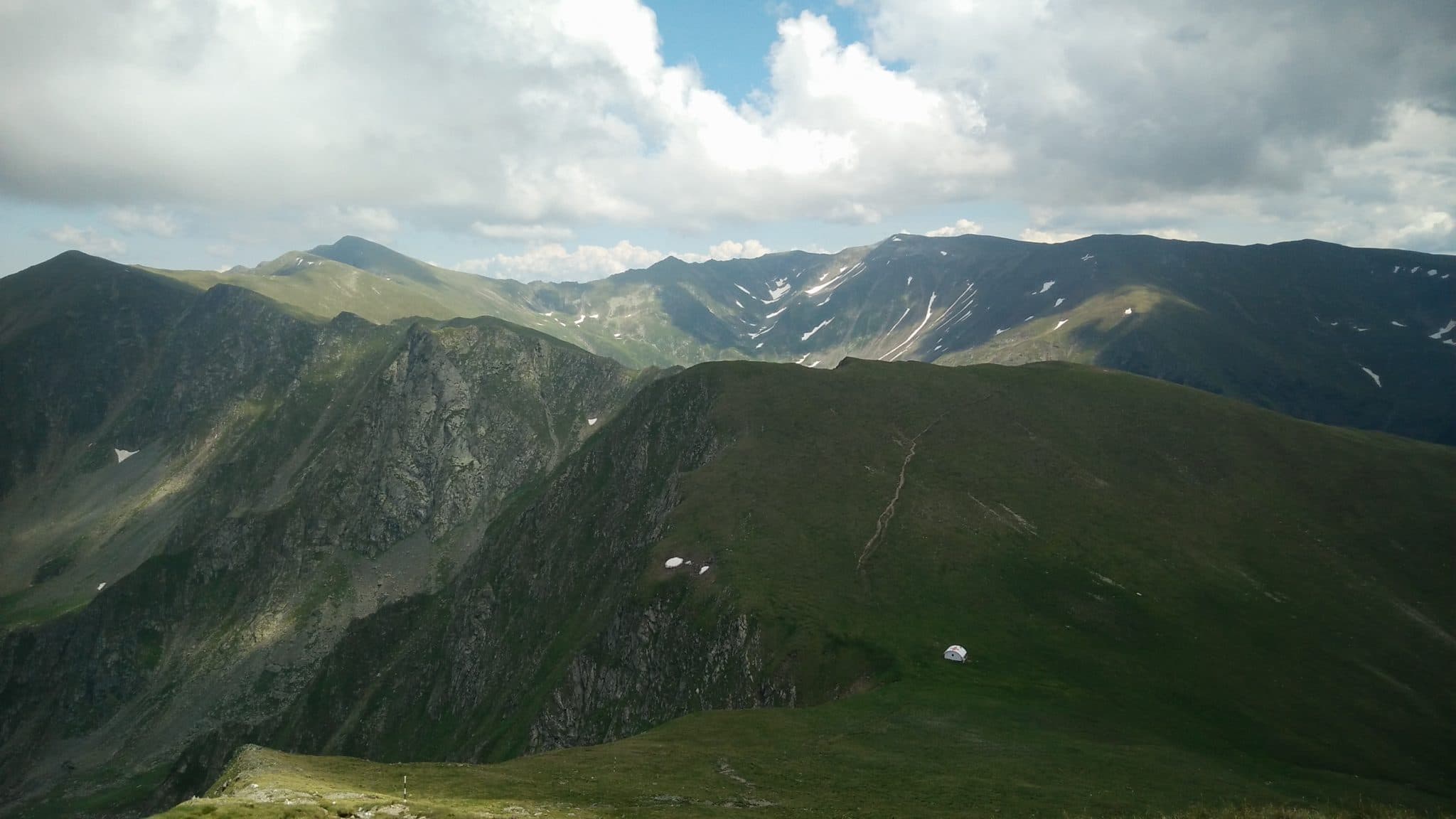
A good benchmark: if you can comfortably complete a 3-4 day mountain route with 700-900m of ascent per day, carrying a 10kg pack, without feeling broken at the end, you're ready to attempt the southern GR20. Compare this to something like the Fagaras Mountains in Romania, which has a similar daily elevation profile and gives you a realistic sense of mountain hiking demands.
Training leading up to the trip should include:
- Weighted pack walks with increasing duration (target 25-30km days with 10kg)
- Stair climbing or incline treadmill sessions for uphill fitness
- Plenty of downhill practice, as descending with a pack is a specific skill that takes time to develop
- Building to back-to-back long days rather than single long efforts
Wild Camping on the GR20
If you're curious about wild camping rules in Europe more broadly, our guide to wild camping in Europe covers the legal landscape across different countries. On the GR20 specifically, the key points are: stay well away from the refuges (200m minimum), leave no trace, and be aware that you're technically in a national park where wild camping isn't officially sanctioned.
In practice, the trail has a long culture of hikers camping wherever it's flat, and September in particular sees very little enforcement. Pack it in, pack it out, and use a trowel if you need to go.
Frequently Asked Questions
The GR20 earns its reputation, but it's not beyond reach if you prepare properly. Start with the southern section, build your confidence on the terrain, and you might find yourself planning the northern half for the following year. Get the training done, sort your kit, book the refuges, and go.
Last updated on June 21, 2026.

Jasper Baetens
Hiking enthusiast from Belgium, mainly active in Europe. Created HikeHeaven to share experiences, research, tips, tricks and product recommendations, or simply to help other hikers.