Fagaras Mountains Hiking Trails: A Complete Guide
Plan your hike in Romania's Fagaras Mountains with trail routes, daily itineraries, gear tips, and safety advice for the Carpathians' highest ridge.

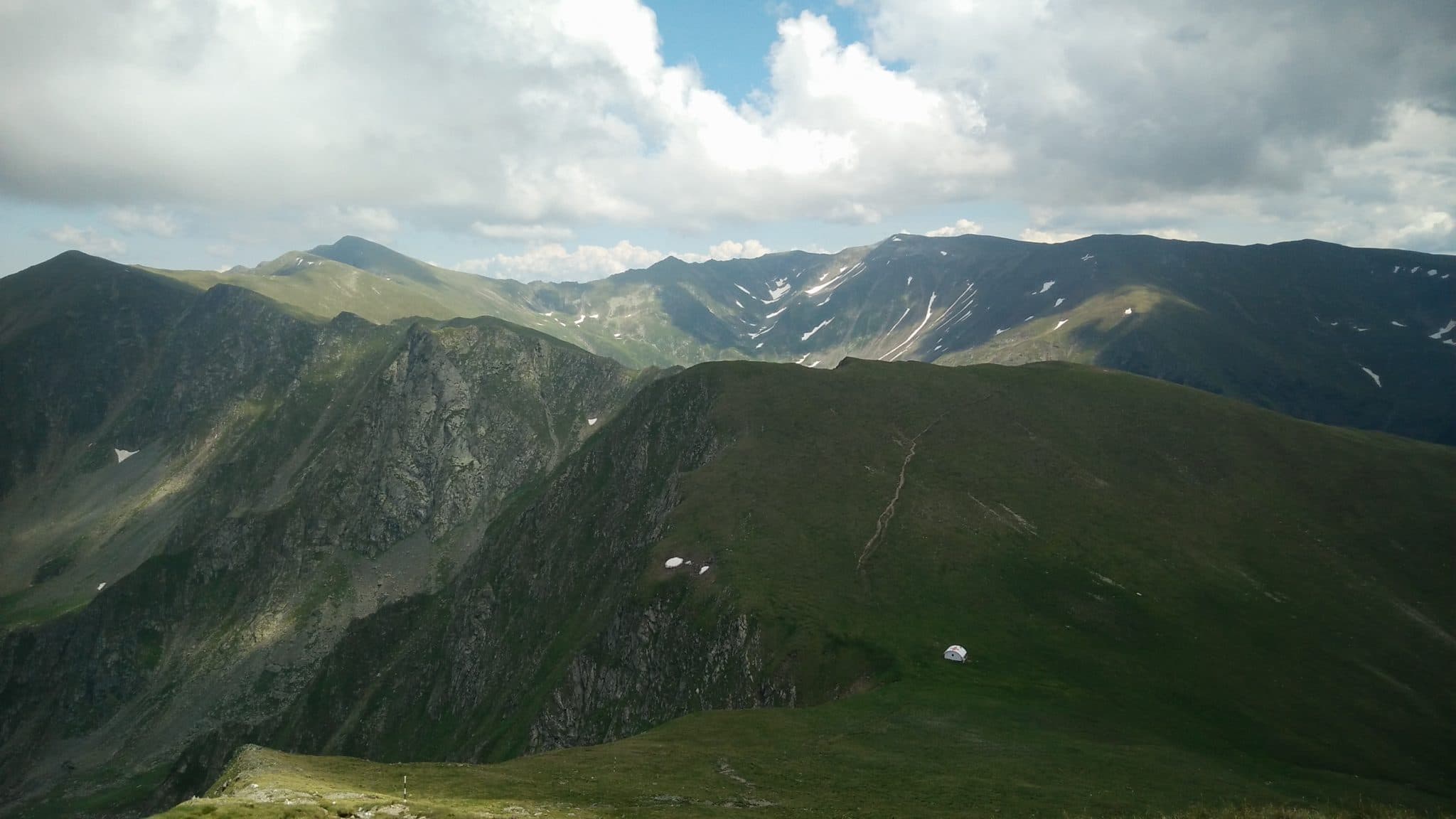
The Fagaras Mountains are the highest range in the Romanian Carpathians and home to Moldoveanu, the country's tallest peak at 2,544 m. I spent ten days on this ridge with a friend, and the mix of alpine lakes, steep valleys and wide-open ridgeline views made it one of the most rewarding treks I've done in Europe. Here's everything you need to plan your own walk on the Fagaras Mountains hiking trails.
Why Hike the Fagaras Mountains Trails?
The Fagaras range stretches roughly 70 km along a high ridge that rarely drops below 2,000 m. You can expect intensive climbs, beautiful mountain lakes, impressive waterfalls, and panoramic ridgeline views that go on for days. Forest cover is limited to the valleys, and once you gain the ridge, it's open terrain with unobstructed sightlines in every direction.
Trails are well-marked with painted blazes (red cross for the main ridge, coloured stripes for side routes), and you don't need climbing experience to hike here. The mountains suit beginners and experienced hikers alike, though fitness matters: daily elevation gains of 800 m or more are common.
Getting There and Getting Started
Most hikers access the Fagaras ridge from valleys on the northern side. The southern valleys are longer and far less scenic, so avoid them unless you have a specific reason to go that way.
Three practical starting points:
- Sambetei Valley (east side): drive to the valley entrance near Vistisoara. Two to three hours from the road to Sambetei Cabana.
- Sebesu de Sus (west side): drive or take a taxi to Sebesu de Sus village. Three to five hours uphill to Cabana Suru.
- Balea Lake (centre): accessible by car via the Transfagarasan road. Three hotels here, plus taxi and bus connections to nearby villages. This is the most convenient start or end point for shorter itineraries.
Where to Sleep
You have three accommodation options along the ridge, and understanding them will shape your itinerary.
Cabanas (manned chalets) offer beds, blankets, and basic meals. Most sit below the main ridge, so you may need to descend in the evening and climb back up the next morning. Book ahead in July and August, as beds fill up fast.
Refuges (unmanned shelters) provide a roof and walls but no beds. Bring your own sleeping pad and sleeping bag rated to at least 0°C. The refuges are bear-safe, so food storage is less of a concern inside.
Wild camping gives you the most flexibility. Marked camping spots appear on maps, but plenty of unmarked flat areas exist along the ridge too. A tent also doubles as emergency shelter if a storm rolls in unexpectedly. If you're new to pitching in the backcountry, our guide to wild camping in Europe covers the rules and etiquette worth knowing first.
Key cabanas along the ridge:
- Sambetei Cabana (east, valley floor)
- Podragu Cabana (central-east, near Podragu Lake)
- Negoiu Cabana (central-west)
- Suru Cabana (west)
- Balea Lake hotels (centre, on the Transfagarasan road)
Notable refuges:
- Vistea Refuge Hut (near Moldoveanu)
- Caltun Lake refuges (two shelters; one is modern with electricity)
Route 1: Sambetei Valley to Balea Lake (4 Days)
This is the route I'd recommend for your first Fagaras trek. It covers the eastern section of the ridge, includes Romania's highest peak, and passes through some of the most dramatic scenery in the range.
Day 1: Sambetei Valley to Sambetei Cabana
Start at the valley entrance near Vistisoara and follow the marked trail up through the forest. The walk takes two to three hours at a relaxed pace, with the valley growing more scenic as you gain altitude. If you arrive early enough, consider pushing past the cabana to shorten Day 2.
Day 2: Sambetei Cabana to Vistea Refuge (6 hours)
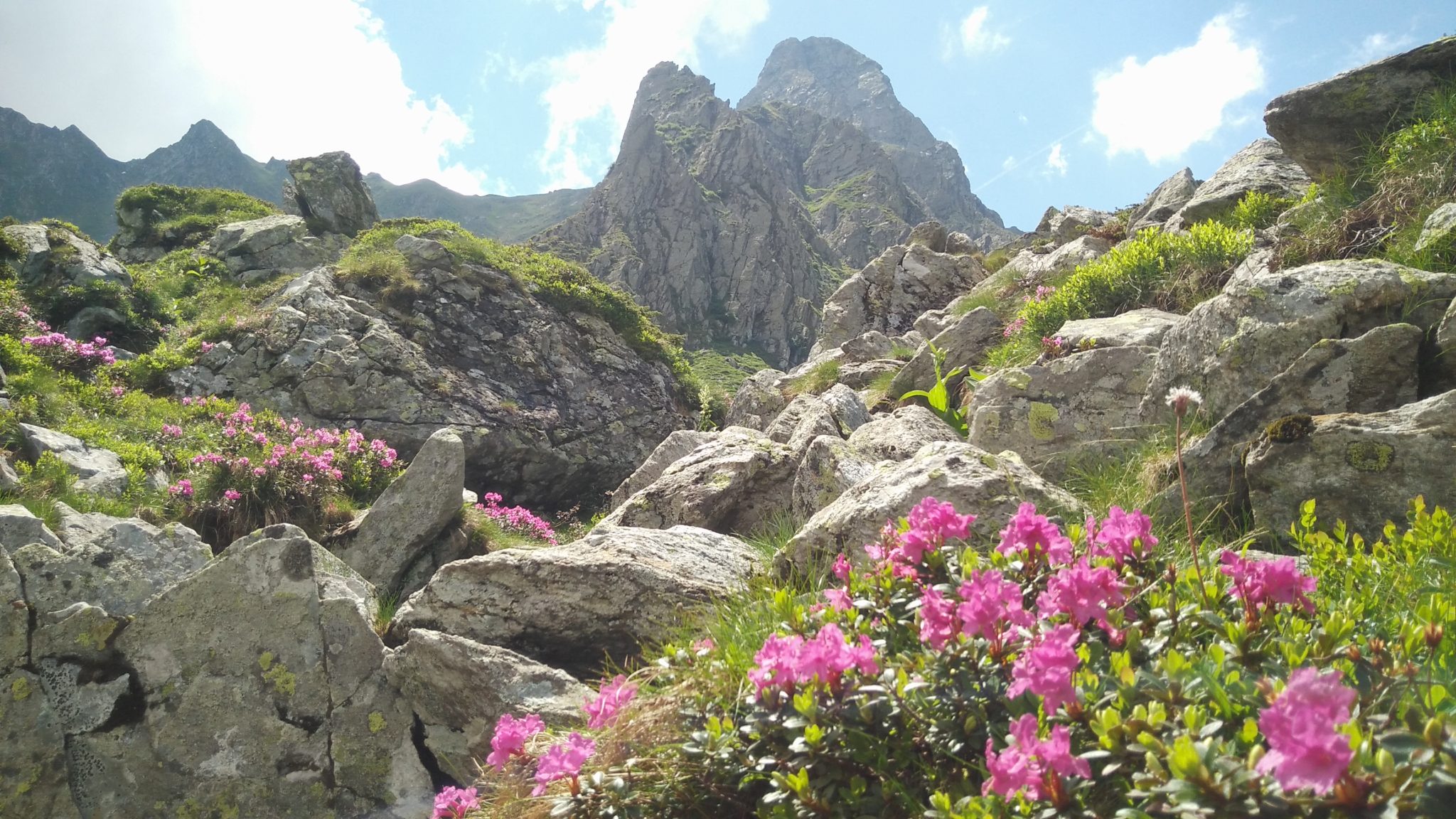
The real climbing begins. From the cabana, you'll gain roughly 800 m of elevation over three hours to reach Fereastra Mare on the ridge. The gradient is sustained but manageable. Once on the ridge, follow the main trail west for two and a half hours to the Vistea Refuge Hut, positioned just below Vistea Mare peak.
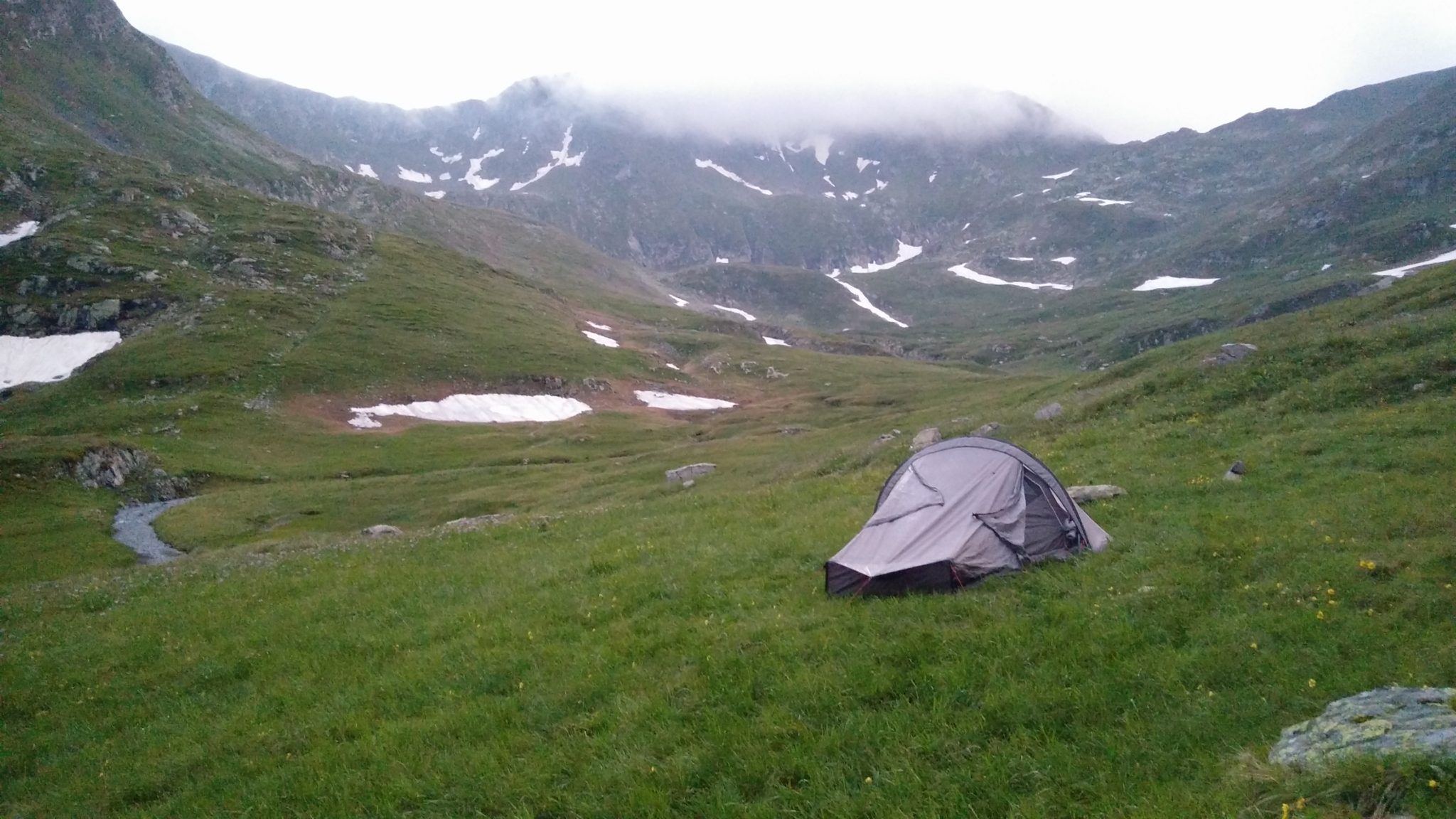
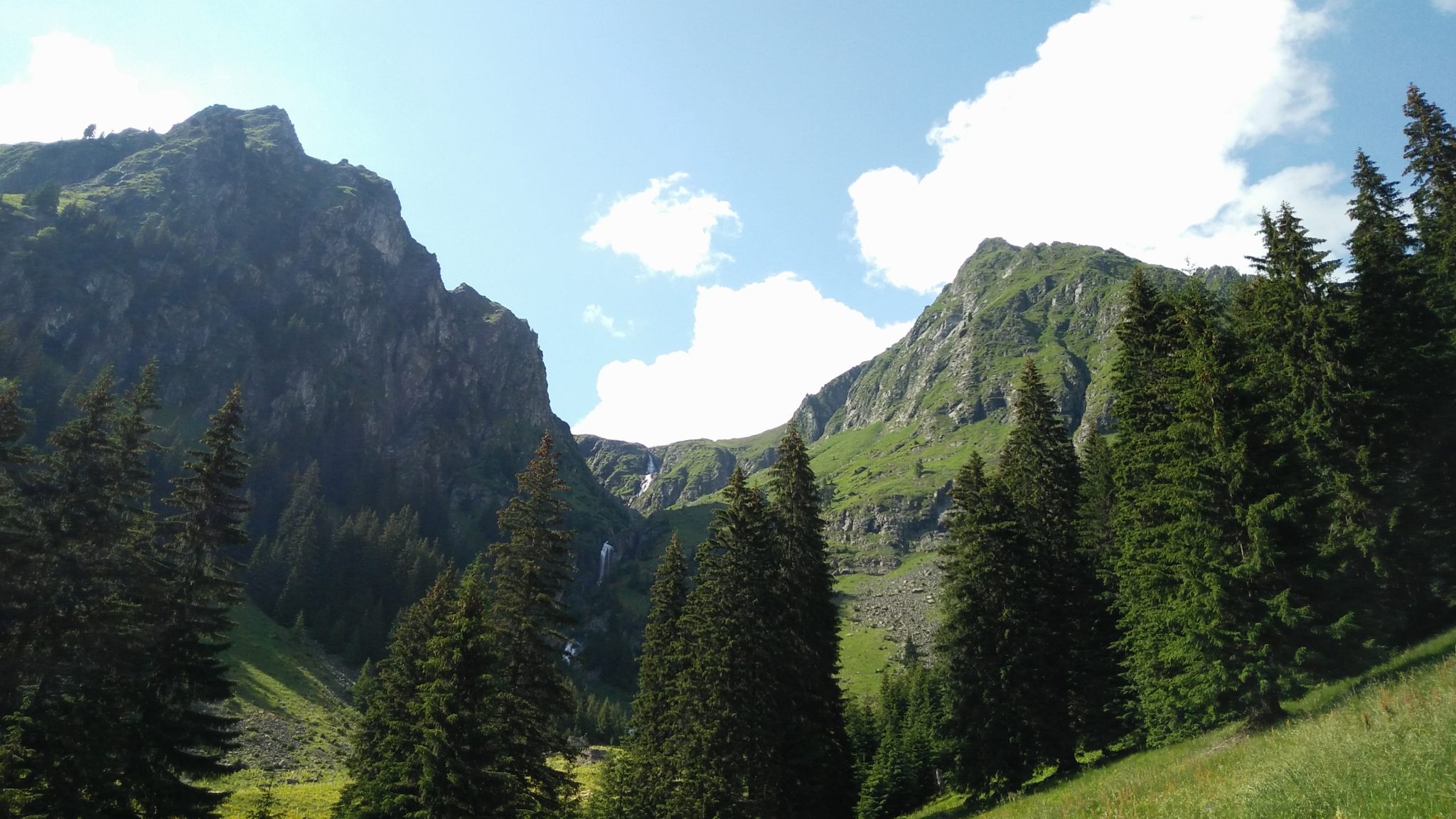
If you're carrying a tent, detour down into Rea Valley for one of the finest wild camping spots in the range. A stream tumbles into a waterfall here, and the flat ground beside it makes an ideal pitch. It's roughly 30 minutes below the refuge.
Day 3: Vistea Refuge to Podragu Cabana (3-4 hours)
This is summit day. From the refuge, climb Vistea Mare first. It's a short, steep push. From the top, Moldoveanu Peak is visible and only a 15-minute walk along the connecting ridge. The detour to Romania's highest point is optional but absolutely worth it.
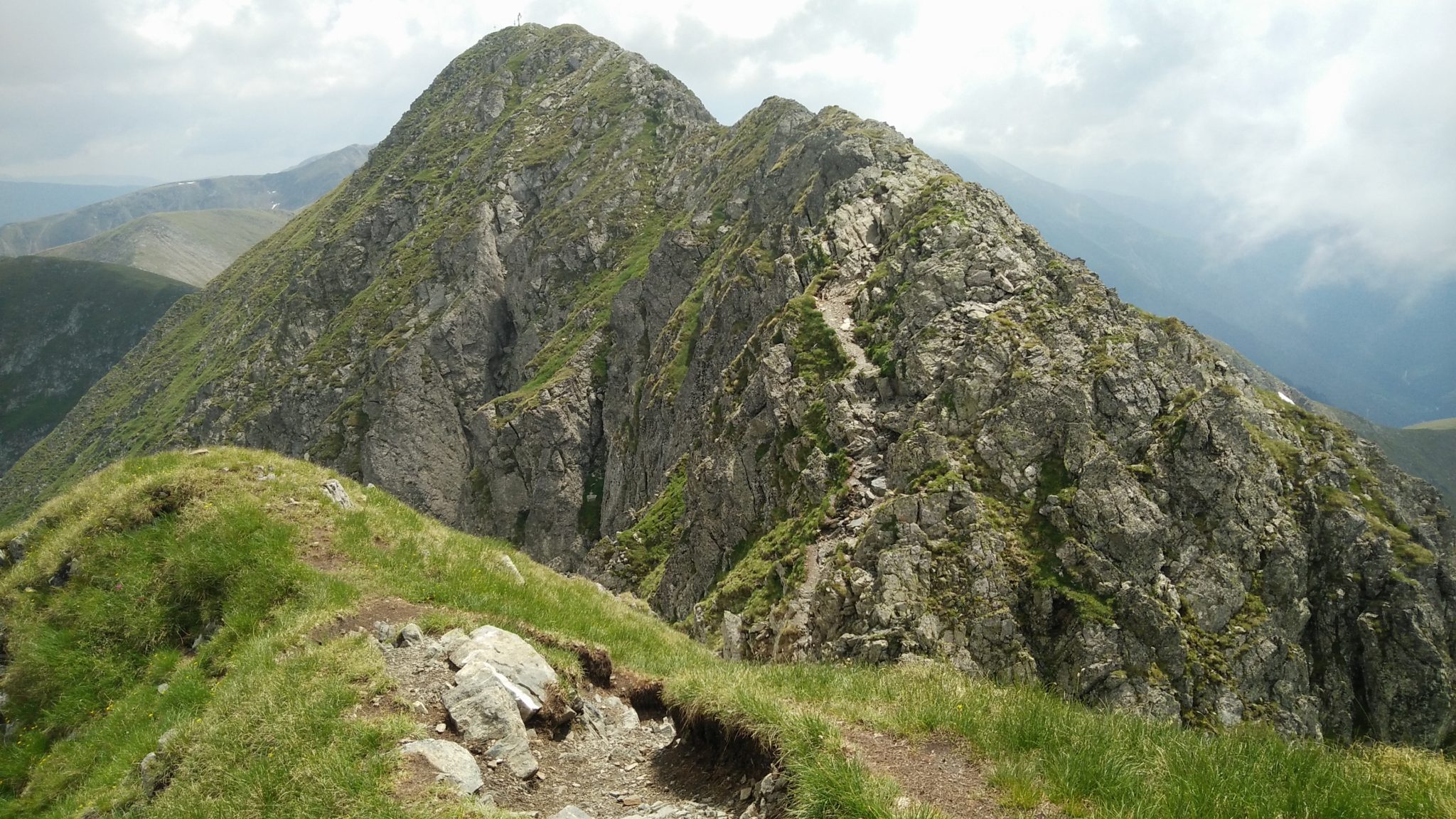
After returning to Vistea Mare, descend westward along the ridge. Three hours of walking brings you to Podragu Cabana, where you can sleep in a bed or pitch your tent beside Podragu Lake.
Day 4: Podragu Cabana to Balea Lake (6 hours)
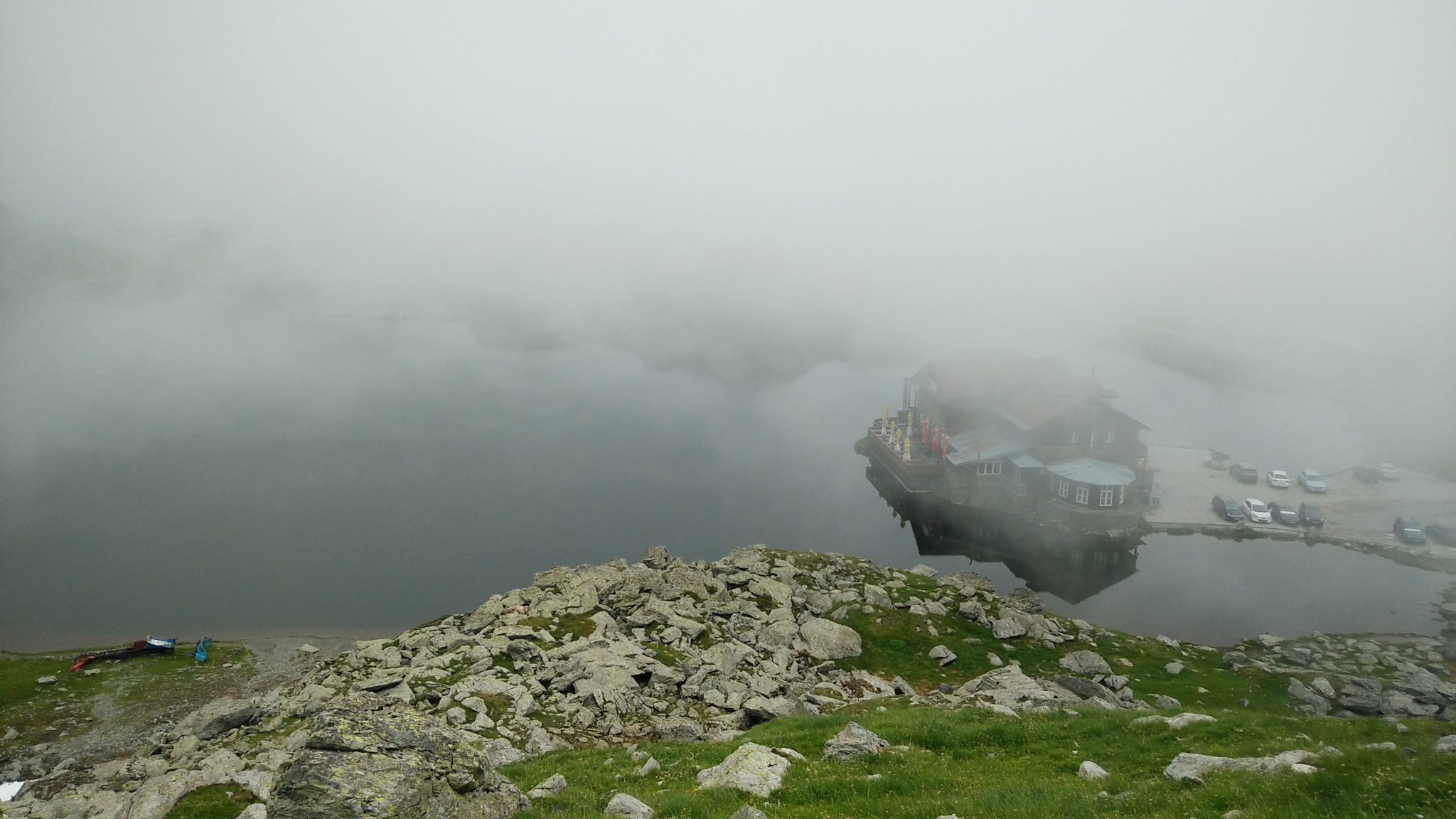
The final day follows the main ridge westward. The terrain is exposed and undulating, so expect a mix of rocky scrambles and grassy saddles. After six hours you'll descend to Balea Lake, where three hotels await. From here, take a taxi, bus, or hitchhike down the Transfagarasan road.
Route 2: Sebesu de Sus to Balea Lake (3-5 Days)
The western section of the ridge is longer, more strenuous, and includes the range's most technical passage. This route suits experienced hikers who want a tougher challenge.
Day 1: Sebesu de Sus to Cabana Suru (3-5 hours)
Walk from Sebes Olt or drive to Sebesu de Sus to shorten the approach. The trail starts through forest and grows more interesting as you near the cabana. This isn't the most spectacular section, but it's a straightforward warm-up.
Day 2: Cabana Suru to Cabana Negoiu (8 hours)
A long, demanding day along the ridge. You'll pass Avrig Lake, an excellent camping spot if you'd rather spread this section over two days. The terrain is rugged and exposed, with several peaks to cross.
Day 3: Cabana Negoiu to Balea Lake (9 hours)
The longest day on this route. It begins with a forest walk, then an 800 m climb taking roughly three hours. Next comes the Shepherd's Pass, a moderately technical section equipped with fixed chains for assistance.
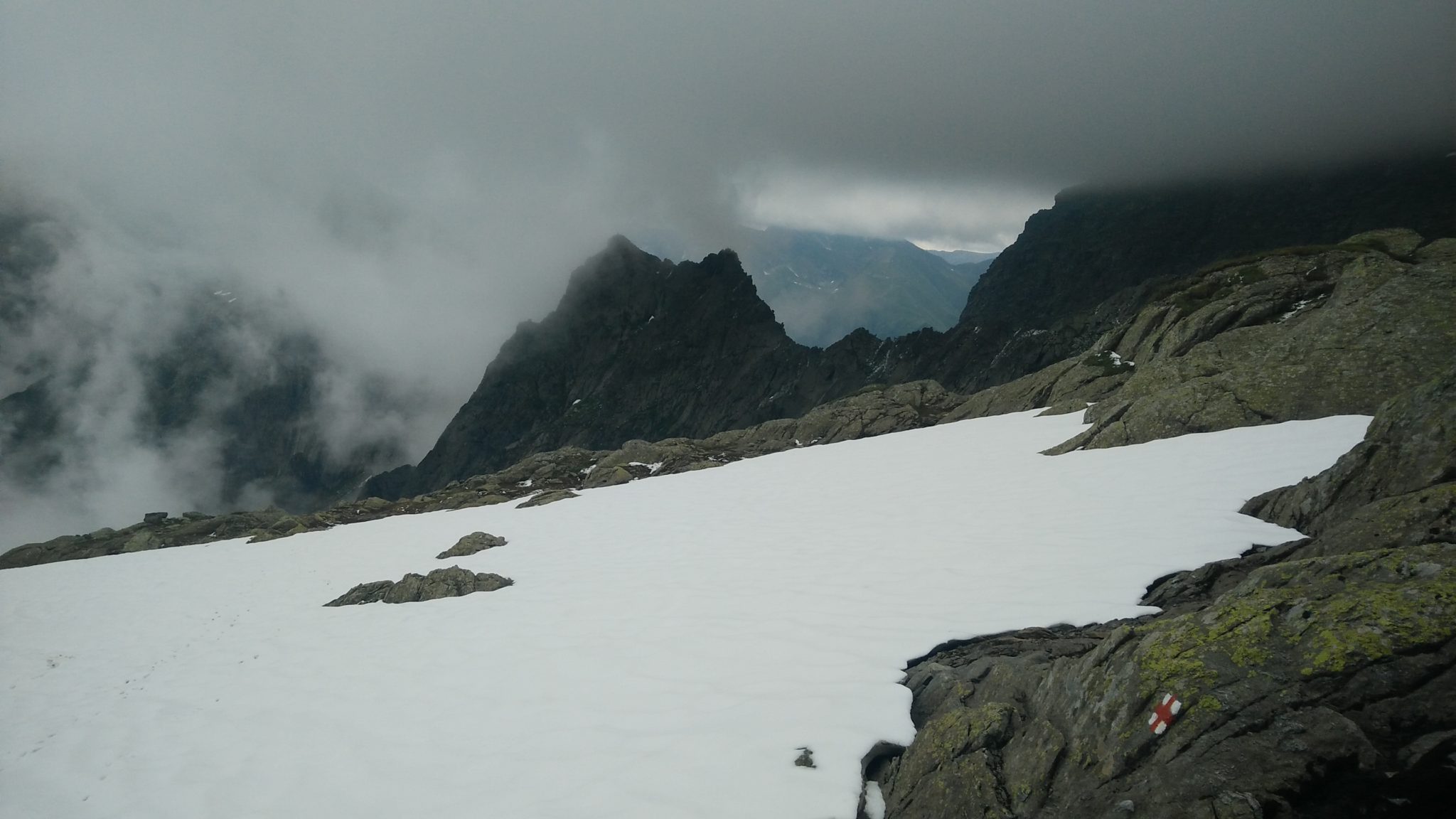
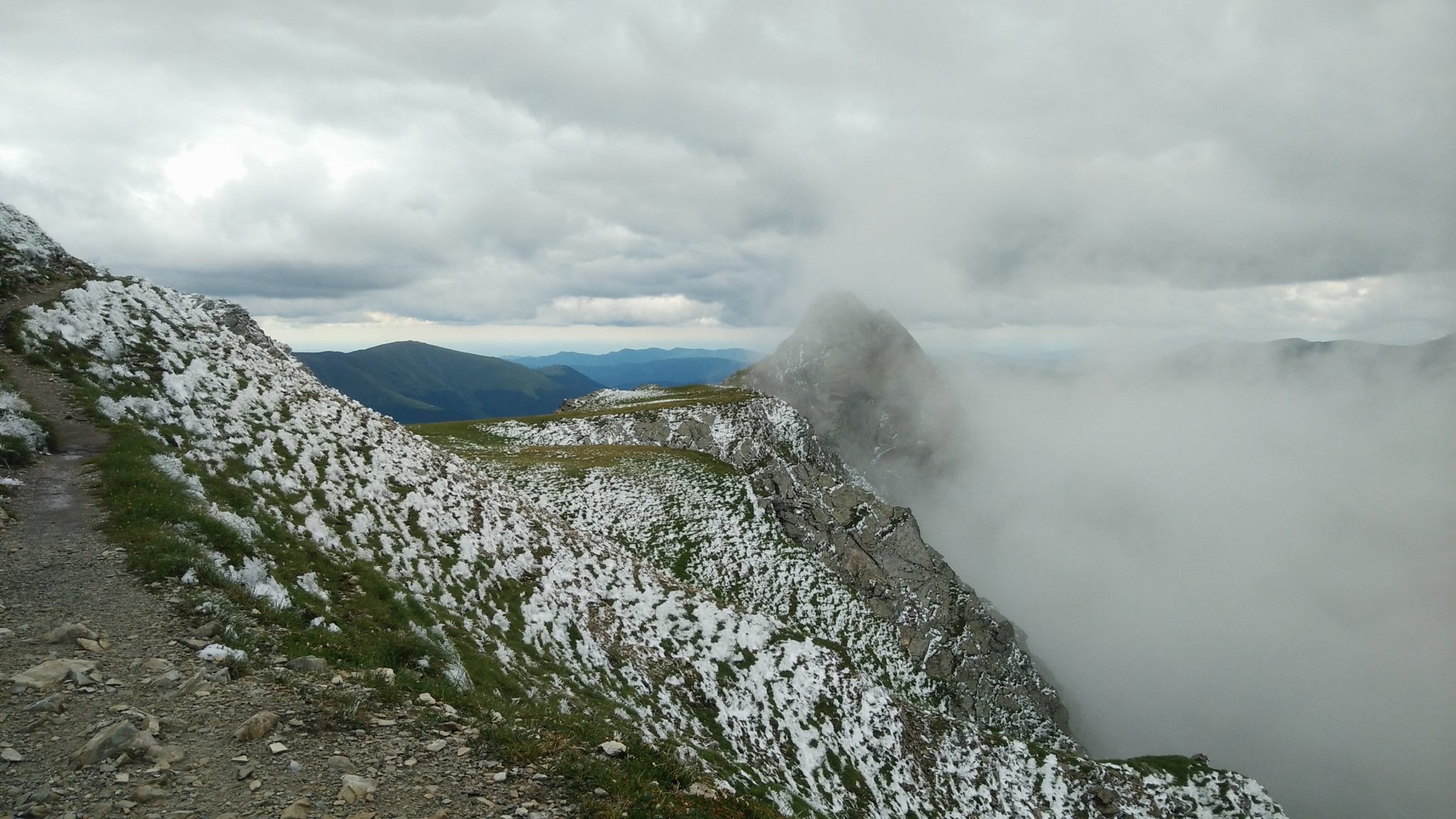
After the pass, follow the red cross trail markings to Balea Lake. Be cautious here: snow and ice can persist on this section well into July.
Shorter alternative: Stop at Caltun Lake (two refuges available, one with electricity) to break Day 3 into two easier days. From there, follow the main ridge directly to Balea Lake without passing Cabana Negoiu.
Navigation and Maps
Mobile reception is patchy: strong on some peaks, absent in valleys and along the western ridge. Download your maps offline before setting out.
Recommended resources:
- Welcome to Romania interactive hiking map, the most detailed resource, showing all trails, cabanas, and refuges
- Muntii Fagaras tourist map, print this at A3 size or larger as a physical backup
- Offline GPS apps (Mapy.cz or OsmAnd), download the Romania map pack before your trip
Safety and Hazards
The Fagaras Mountains are remote and conditions change quickly. Take these risks seriously.
Snow and ice can appear on marked trails at any time outside July-August. I hiked in late June and was among the first that season, and the Shepherd's Pass section was covered in ice and significantly more dangerous than in dry conditions. If you hike early or late in the season, bring a short rope or cable for additional safety.
Weather shifts rapidly at altitude. Clear mornings can turn into violent afternoon thunderstorms. Check forecasts daily and plan to be off exposed ridgelines by early afternoon if storms are forecast.
Bears live in the Fagaras valleys. Keep food out of your tent, cook and eat at least 30 m from where you sleep, and store anything scented (toothpaste, soap, snacks) in a bear canister or hung from a tree. Bear bells or simply talking while hiking reduces surprise encounters.
Essential Gear for the Fagaras Ridge
Packing List
- Tent
Lightweight 2-person tent for flexibility and emergency shelter
- Sleeping bag (0-5°C)
Nights on the ridge are cold, even in summer
- Sleeping pad
Insulated pad with R-value of 3 or higher
- Waterproof jacket
Afternoon storms are frequent, so bring Gore-Tex or equivalent
- Hiking boots
Ankle support recommended for rocky terrain and scree
- Offline maps
Downloaded on phone plus printed A3 paper backup
- Trekking poles
Reduce knee strain on steep descents of 800 m or more
- Camping stove and cookware
For meal prep and melting snow if water sources are dry
- Water filter
Stream water is generally clean but filtration adds safety
- Bear canister or rope
For hanging food away from your tent at night
- Power bank
Cabanas lack reliable electricity; refuges have none
- Sunscreen, hat, and sunglasses
UV exposure is strong above 2,000 m with no tree cover
- First aid kit
Include blister treatment and any personal medication
- Crampons or microspikes
Required if hiking before July or after September
- Ice axe or short cable
For icy technical sections early in the season
- Bear bell
Reduces chance of surprising bears in valleys
Food and Water
Pack all your food before setting out. Cabanas sell basic meals, but supply is unreliable and prices are high. Plan your provisions around protein, carbohydrates, and fats: dehydrated meals, nuts, energy bars, and dried fruit work well. A camping stove lets you prepare hot meals and, critically, melt snow for drinking water if streams run dry at higher elevations.
Water is generally available from streams along the ridge, but sources can be scarce on exposed sections. Carry at least 2 litres and refill whenever you pass running water. A lightweight filter removes any concerns about water quality.
Frequently Asked Questions
The Fagaras ridge is one of Europe's great multi-day hikes: remote enough to feel like genuine wilderness, yet well-marked enough that you won't lose the trail. Four days gets you the eastern section and Moldoveanu; a full week earns you the complete traverse. Either way, these mountains deliver. Download your maps, pack your tent and go.
Last updated on June 21, 2026.

Jasper Baetens
Hiking enthusiast from Belgium, mainly active in Europe. Created HikeHeaven to share experiences, research, tips, tricks and recommend products — or simply to help other hikers.