Best Budget Camera for Backpacking in 2026
The best lightweight cameras for backpacking under $500. Compact, mirrorless, and action cameras compared on image quality, durability, and weight.

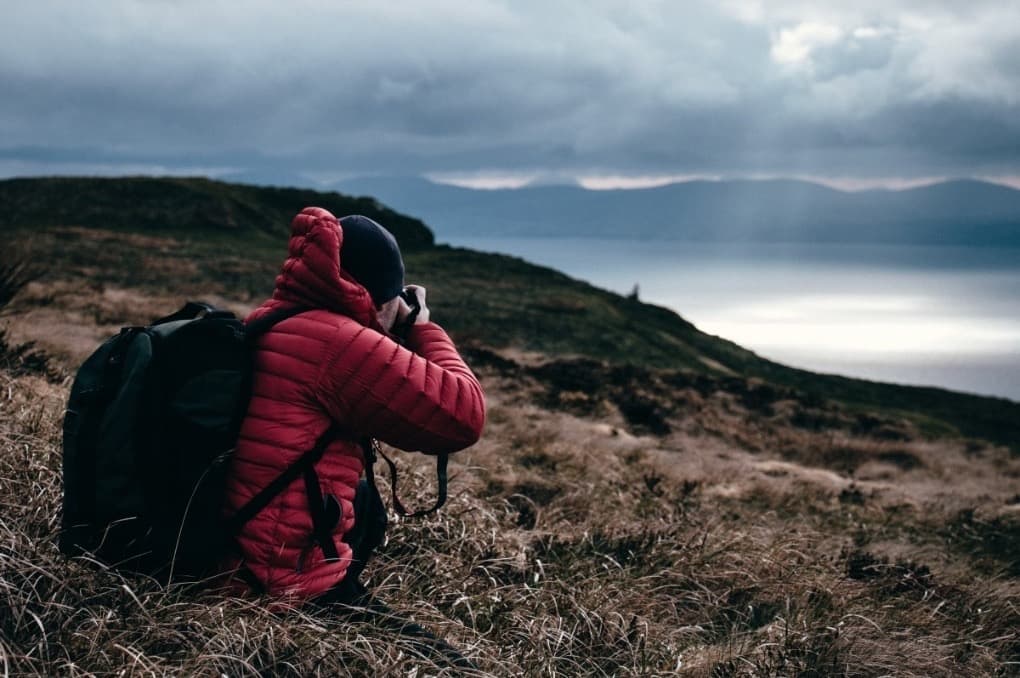
Your phone takes better photos than you think. But it doesn't zoom, struggles with high-contrast mountain light, and lacks the manual controls that make the difference between a snapshot and a photograph worth keeping. If you're spending days in places worth photographing properly, a dedicated camera is worth the pack weight.
The good news is you don't need to spend $1,000 for excellent results on trail. The best budget camera for backpacking costs under $500, and several compact and mirrorless options at that price produce images that would have embarrassed cameras costing triple the price ten years ago.
Phone vs Dedicated Camera for Hiking
Before picking a camera, be honest about your use case. The latest flagship phones from Apple and Google take excellent photos in good light and handle social media content well. The case for a dedicated camera:
Optical zoom: Phone computational zoom degrades rapidly above 3x. A compact camera with a 10x optical zoom reaches subjects your phone can't. On trail, this matters for wildlife, distant peaks, and waterfalls.
Manual control in difficult light: Mountain photography involves backlit subjects, snow scenes that fool automatic metering, and golden hour light that changes by the minute. Manual exposure control gives you consistent results where phone auto-exposure fails.
Better high-ISO performance: Compact cameras and mirrorless options perform better in low light than phones, producing less noise in dawn, dusk, and forest canopy conditions.
Durability: Dedicated outdoor cameras (action cameras, weather-sealed compacts) handle dust, moisture, and drops better than phones.
Categories to Consider
Compact Cameras (Point-and-Shoot)
Modern 1-inch sensor compacts from Sony, Canon, and Ricoh offer significant image quality improvements over phone cameras in a pocketable form factor. The Sony RX100 series and Canon PowerShot G series are the benchmarks.
Trade-offs: Fixed lens, no interchangeable optics, slower autofocus in low light. But for hiking, the simplicity and pocketability are advantages.
Mirrorless with Kit Lens
Entry-level mirrorless cameras (Fujifilm X-T30, Sony ZV-E10, Canon EOS M50) with a standard zoom lens deliver DSLR-quality results at a fraction of the size and cost. The kit 15-45mm equivalent gives enough range for landscapes and trail scenes.
Trade-offs: Larger and heavier than compacts, requires separate lens cap management, more settings to learn. But the image quality jump is significant, and the interchangeable lens system means you can add a telephoto for specific trips.
Action Cameras
GoPro Hero 13, DJI Osmo Action 4, and similar action cameras are light, shockproof and built to survive a soaking. They produce excellent video (their primary strength) and decent still images in good light.
Trade-offs: Very wide angle only (no zoom), lower image quality in low light, limited depth of field control. Best for adventure video and environmental photos rather than portraits and detailed wildlife.
Best Budget Backpacking Cameras
Top Budget Backpacking Cameras
Sony ZV-1 II Compact
$350
?Estimated price — check latest price on Amazon
Vloggers and photographers wanting compact versatility
Pros
- ✓1-inch stacked sensor with excellent dynamic range
- ✓Compact at 229g including battery
- ✓4K video with usable autofocus
- ✓Wide 18-50mm zoom range (useful for landscapes)
Cons
- ✕No weather sealing
- ✕Limited zoom reach at 50mm equivalent
Ricoh GR IIIx
$500
?Estimated price — check latest price on Amazon
Image quality priority in a minimal form factor
Pros
- ✓APS-C sensor (larger than most compacts) in a shirt-pocket body
- ✓Exceptionally sharp fixed 40mm equivalent lens
- ✓Unmatched image quality-to-size ratio
- ✓Compact at 257g
Cons
- ✕Fixed lens with no zoom
- ✕No optical image stabilisation
GoPro Hero 13 Black
$350
?Estimated price — check latest price on Amazon
Adventure video, wet environments, minimal weight
Pros
- ✓Fully waterproof without a case
- ✓180-minute battery life (improved from Hero 12)
- ✓5.3K video and 27MP stills
- ✓Ultra-compact at 149g
Cons
- ✕Ultra-wide angle only, no zoom
- ✕Limited low-light still quality
Sony ZV-1 II: Best Versatile Compact
The Sony ZV-1 II packs a 1-inch stacked CMOS sensor (the same sensor size used in cameras costing twice the price) into a body that fits in a jacket pocket. The 18-50mm equivalent zoom covers the most common hiking photography situations: wide landscapes, trail portraits, and close vegetation detail.
The 4K video is genuinely good, with Sony's autofocus system (good in bright conditions, less reliable in low light) keeping subjects sharp. The flip-out screen is useful for self-timer shots on summits or trail selfies without needing a tripod.
At 229g, it's light enough to justify the weight on most trips. Weather sealing is absent, which means being careful in rain or heavy condensation. A dry bag or waterproof pocket takes care of this.
Ricoh GR IIIx: Best Image Quality Under $500
The Ricoh GR IIIx is the closest thing to a "serious photographer's hiking camera" at under $500. It uses an APS-C sensor, the same size used in many DSLRs and mid-range mirrorless cameras, in a body that genuinely fits in a jeans pocket.
The fixed 40mm equivalent lens is sharp to the corners at every aperture. The lack of zoom requires you to move your feet for composition, which forces better habits than zooming from a static position. High-ISO performance is excellent for a compact camera, producing usable images in forest shade and dawn light.
If you're a photographer who takes hiking photography seriously and can accept the fixed focal length limitation, the GR IIIx offers more image quality per gram than anything else in this price range.
GoPro Hero 13: Best for Wet Environments and Video
If your hiking involves significant waterfall crossings, coastlines, wet weather, or you prioritise video over stills, the GoPro Hero 13 is the right tool. The improved battery life (180 minutes vs 125 in Hero 12) and full waterproofing without a case make it more practical than previous generations for active trail use.
The 5.3K video quality is genuinely impressive, and the new HyperSmooth 6.0 stabilisation eliminates the camera shake that makes handheld hiking video unwatchable. Still images are good in bright conditions but lack the dynamic range of larger sensors.
The ultra-wide angle (equivalent to 12-16mm) is either a strength or limitation depending on your style. For environmental shots that show the scale of a landscape or the difficulty of a trail, it's excellent. For wildlife, distant peaks, or isolated details, you'll wish for more reach.
Practical Tips for Trail Photography
Shoot in RAW. Even budget cameras produce better results when you process RAW files rather than relying on in-camera JPEG processing. The adjustment range in RAW files recovers highlights and shadows that JPEGs clip permanently.
Golden hour over midday. Mountain light at 7am and 7pm produces warm, directional light that makes the same scene look dramatically different from harsh midday sun. If you have flexibility in when you arrive at viewpoints, plan around the light.
Carry a microfibre cloth. Lens moisture from morning mist or rain ruins photos and can be cleared in seconds with a cloth. Weigh effectively zero.
Tripod alternatives. A lightweight gorilla-style flexible tripod (around 200g) opens up low-light photography without the weight of a full tripod. Place it on rocks or branches for long exposures. If weight is critical, a hiking pole with a trigger grip mount achieves the same result.
For everything else in your pack, the best dry bags for hiking guide covers protecting electronics and cameras from rain and river crossings. If you're still sorting out how to carry it all, the best hiking backpacks roundup covers packs with hip-belt pockets that keep a compact camera within easy reach.
The best backpacking camera is the one you'll actually carry consistently. A $500 camera left at home because it's heavy is worse than a $50 camera in your pocket on every trip. Pick a form factor you'll actually use, prioritise the features that matter for your subject matter (zoom for wildlife, stills quality for landscapes, video for adventure documentation), and don't overthink it.
Last updated on June 21, 2026.

Jasper Baetens
Hiking enthusiast from Belgium, mainly active in Europe. Created HikeHeaven to share experiences, research, tips, tricks and product recommendations, or simply to help other hikers.