Best Dry Bags for Hiking and Backpacking
Find the best dry bags for hiking. Roll-top, compression, and ultralight options tested with real specs, weights, and honest pros and cons.

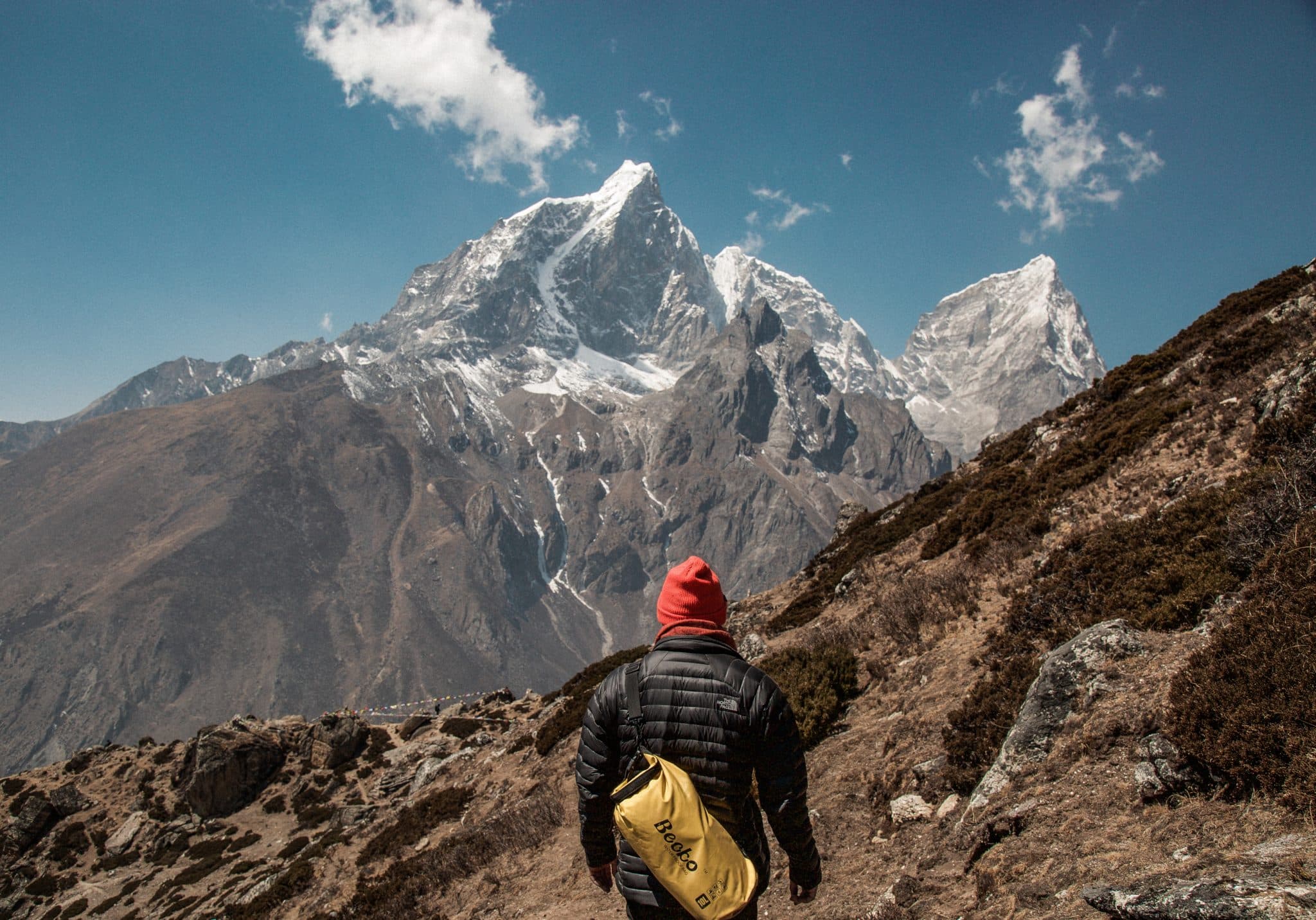
Wet sleeping bags and soaked electronics can turn a great trip into a miserable one. The best dry bags for hiking keep your critical gear bone-dry even when everything else gets drenched. After testing roll-top, compression, and ultralight options through rain, river crossings, and accidental puddle drops, here's what actually works.
Quick Comparison: Top Dry Bags
Best Hiking Dry Bags Compared
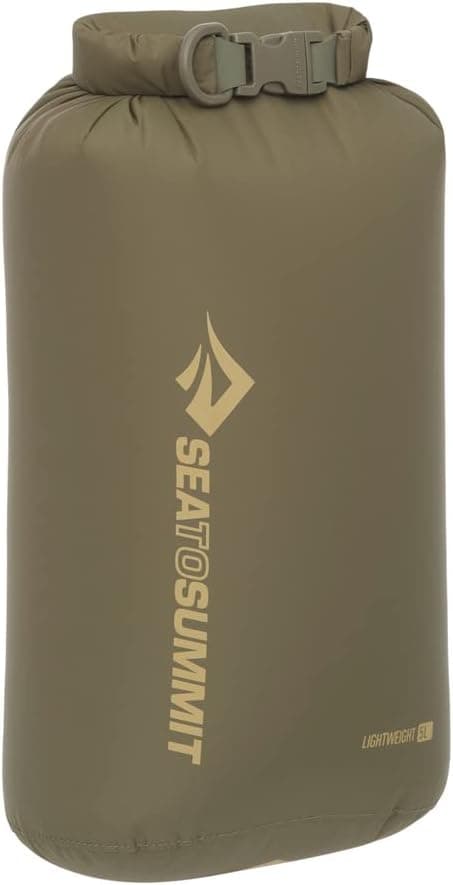
Sea to Summit Lightweight Dry Sack
$20
?Estimated price — check latest price on Amazon
Best overall, ultralight backpacking
Pros
- ✓Ultra-thin 30D sil-nylon, incredibly light
- ✓Taped seams with reliable roll-top closure
- ✓Available in 1L to 20L sizes
- ✓Hypalon roll-top strip is durable
Cons
- ✕Thin fabric can abrade with heavy use
- ✕Not submersible, splash-proof only
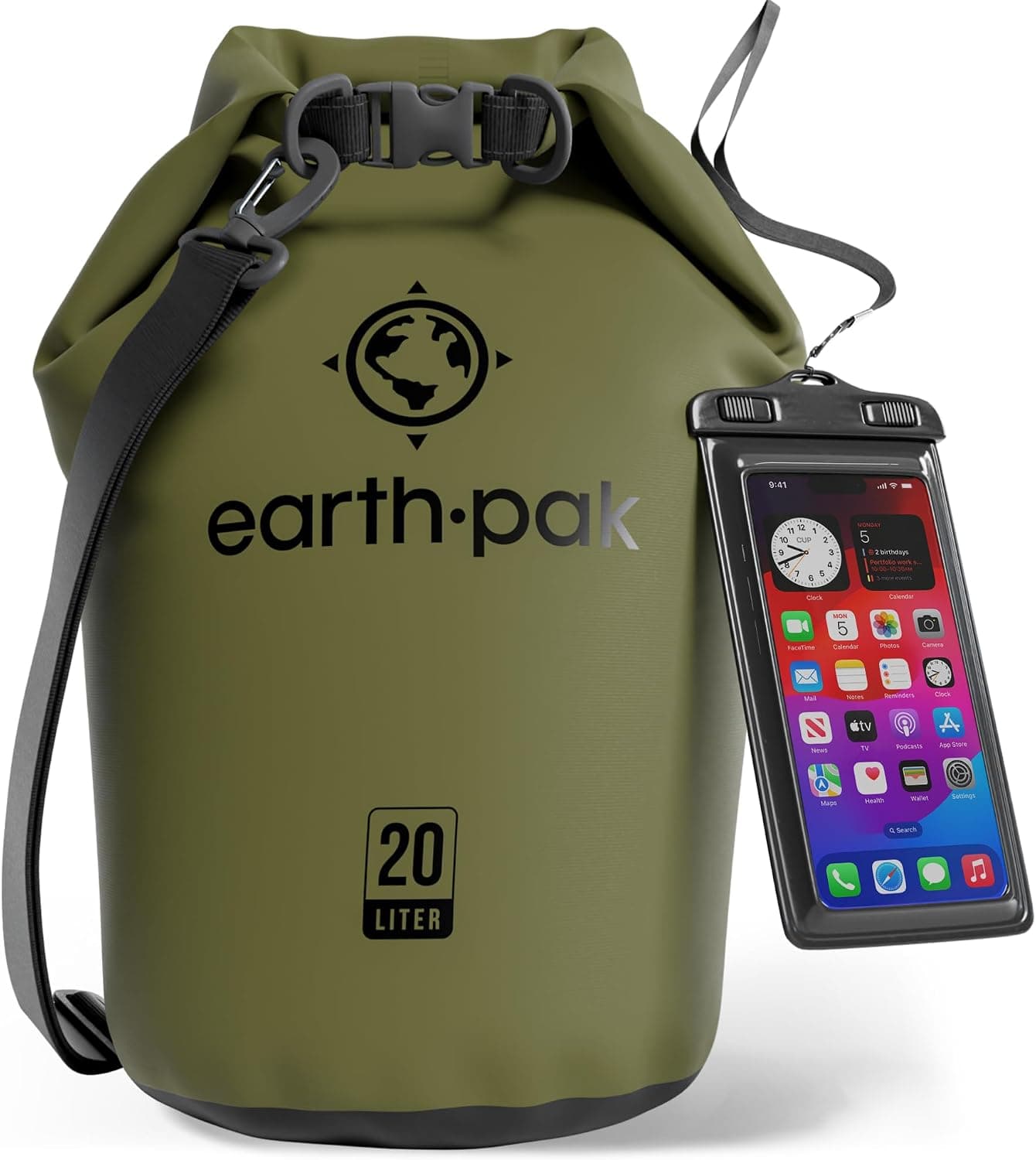
Earth Pak Waterproof Dry Bag
$17
?Estimated price — check latest price on Amazon
Best value, heavy-duty protection
Pros
- ✓Thick 500D PVC is extremely durable
- ✓IPX8 rated, fully submersible
- ✓Includes detachable shoulder strap
- ✓Available from 10L to 55L
Cons
- ✕Heavy compared to nylon alternatives
- ✕Stiff material takes up pack space
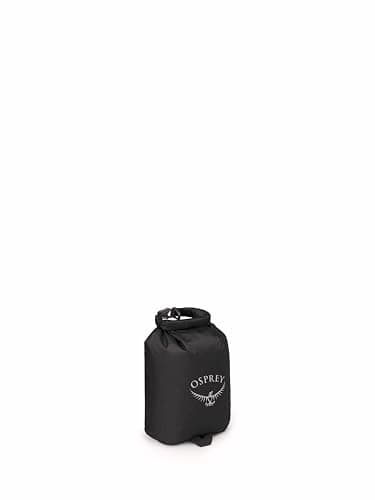
Pros
- ✓Sil-nylon with welded seams
- ✓Extremely light at 18 g (6L size)
- ✓Clean roll-top closure
- ✓Trusted Osprey quality
Cons
- ✕Limited size range
- ✕No compression feature
Sea to Summit Hydraulic Dry Bag
$40
?Estimated price — check latest price on Amazon
Best heavy-duty, river crossings
Pros
- ✓Heavy-duty 420D nylon with TPU lamination
- ✓Purge valve removes excess air
- ✓D-ring lash points for external carry
- ✓Fully submersible and extremely tough
Cons
- ✕Expensive compared to basic dry sacks
- ✕Heavier than ultralight options
Best Dry Bags for Hiking in Detail
Sea to Summit Lightweight Dry Sack, Best Overall
The Sea to Summit Lightweight Dry Sack hits the sweet spot between protection and weight. Made from 30D sil-nylon with taped seams, it keeps gear dry in rain and pack submersions while weighing barely more than a few sheets of paper.
Key specs:
- Weight: 19 g (1L), 30 g (4L), 36 g (8L), 48 g (13L), 56 g (20L)
- Material: 30D Ultra-Sil nylon, siliconised
- Seams: Taped
- Closure: Hypalon roll-top, 3-fold minimum
- Sizes: 1L, 2L, 4L, 8L, 13L, 20L
The Hypalon roll-top strip is the standout feature. It stays flexible in cold weather, grips well with wet hands, and maintains its seal through years of use. Three rolls and a buckle clip are all it takes to create a reliable seal.
I've used these sacks through full days of Scottish rain, and they've kept electronics, spare clothes, and food completely dry. They won't survive extended underwater submersion like a PVC bag, but for rain, splashes, and brief dunks, the protection is excellent.
The trade-off is durability. At 30D, the fabric can develop abrasion holes if it's constantly rubbing against sharp pack contents. Line it away from trekking pole tips and crampon points, and it'll last for years.
Earth Pak Waterproof Dry Bag, Best Value
The Earth Pak Waterproof Dry Bag is built like a tank. Thick 500D PVC construction makes this the most durable bag on the list, and at around $17, it's also the cheapest. If you need serious waterproofing on a tight budget, this is where to start.
Key specs:
- Material: 500D PVC tarpaulin
- Closure: Roll-top with buckle clip
- Waterproof rating: IPX8 (submersible)
- Sizes: 10L, 20L, 30L, 40L, 55L
- Extras: Detachable shoulder strap, waterproof phone case included
The IPX8 submersible rating means this bag handles full water immersion, not just rain. For river crossings, kayaking, or any scenario where your pack might end up underwater, that level of protection matters. The included phone case is a practical bonus that most competitors charge extra for.
There are two clear drawbacks. First, PVC is heavy. A 20L Earth Pak weighs considerably more than a 20L sil-nylon sack. Second, the stiff material doesn't compress or conform to pack spaces the way nylon does. It works brilliantly as a standalone bag, less so as an internal pack organiser.
For car camping, festival weekends, and trips where weight isn't the primary concern, the Earth Pak is hard to fault for the price.
Osprey Ultralight Dry Sack, Lightest Option
The Osprey Ultralight Dry Sack is the option for hikers who track every gram. At 18 g for the 6L version, it's lighter than most stuff sacks and adds genuine waterproofing to boot.
Key specs:
- Weight: 12 g (3L), 18 g (6L), 24 g (12L), 30 g (20L)
- Material: Sil-nylon with welded seams
- Closure: Roll-top
- Sizes: 3L, 6L, 12L, 20L
Welded seams eliminate stitch holes entirely, which is a step above taped seams for long-term waterproofing. The fabric is tissue-thin and packs down to practically nothing. You could carry three of these and still weigh less than a single mid-range dry bag.
Osprey's size range is more limited than Sea to Summit's, and there's no compression feature. For sleeping bag storage where you want to squeeze air out, you'll need a different solution. But for protecting clothes, food, and small items, the Osprey Ultralight is as good as it gets for the weight.
Exped Fold Drybag, Best Compression Dry Bag
The Exped Fold Drybag adds a one-way air valve to the standard roll-top design. This lets you push excess air out after packing, reducing volume by up to 50%. For bulky items like down sleeping bags and puffy jackets, that compression makes a real difference.
Key specs:
- Material: PU-coated nylon
- Closure: Roll-top with air valve
- Sizes: 1L, 4L, 8L, 13L, 22L, 40L
- Feature: One-way purge valve
The valve works simply. Roll the top closed, then press the bag flat. Air escapes through the valve but can't re-enter. The result is a compact, waterproof package that takes up far less pack space than a standard dry sack stuffed with a puffy sleeping bag.
Exped's PU-coated nylon is a middle ground between ultralight sil-nylon and heavy PVC. It's tough enough for regular use, light enough for backpacking, and the coating holds up well over time.
The air valve adds a small weight penalty and one more potential failure point. In practice, Exped's valves are reliable, but it's worth checking them periodically for debris that could prevent a proper seal.
Sea to Summit Hydraulic Dry Bag, Best Heavy-Duty
The Sea to Summit Hydraulic Dry Bag is the premium option for hikers who need maximum protection. Built from 420D nylon with TPU lamination, it's designed for rough conditions where lighter bags would fail.
Key specs:
- Material: 420D nylon with TPU lamination
- Closure: Roll-top with purge valve
- Waterproof rating: Fully submersible
- Sizes: 2L, 4L, 8L, 13L, 20L, 35L, 65L
- Features: Purge valve, D-ring lash points
The purge valve works like the Exped's, letting you squeeze air out for a more compact package. D-ring lash points on the outside let you strap the bag externally to a pack, kayak deck, or roof rack. The 420D fabric shrugs off abrasion that would shred lighter materials.
At $40, this is significantly more expensive than a basic dry sack. The weight is higher too. For standard trail use in rain, it's overkill. But for multi-day routes with river crossings, packrafting, or any trip where your bag might get dragged over rocks, the Hydraulic earns its price.
How to Choose the Right Dry Bag
Match the material to the use case. Sil-nylon (Sea to Summit Lightweight, Osprey Ultralight) is ideal for weight-conscious backpacking where rain is the main threat. PVC (Earth Pak) handles submersion and abuse. PU-coated nylon (Exped) splits the difference.
Get the right size. A dry bag that's too large wastes space and traps air. Too small and you'll struggle to close it properly. Common pairings: 2-4L for electronics and valuables, 8-13L for clothes, 13-20L for sleeping bags, 20L+ for full kit protection.
Roll-top closures need at least three folds. Two folds look sealed but aren't reliable. Three tight folds with a buckle clip create a proper barrier. Leave a bit of air inside before rolling, as this creates an air cushion that adds buoyancy and impact protection.
Dry Bag Packing System
Recommended Dry Bag Setup for Multi-Day Hikes
- Sea to Summit Lightweight 4LEssential
Electronics, phone, battery bank, headlamp
- Sea to Summit Lightweight 8LEssential
Spare clothes and base layer
 Exped Fold Drybag 13LEssential
Down sleeping bag with compression
First aid kit and toiletries
Food bag for river crossings or wet conditions
Keeping gear dry is only half the battle. You'll also want a solid waterproof jacket to keep yourself dry on the trail, and the right hiking backpack to hold these dry bags in the first place.
Frequently Asked Questions
A reliable dry bag system costs under $60 and protects hundreds of pounds worth of gear. Start with a Sea to Summit Lightweight Dry Sack for everyday hiking, add an Exped Fold Drybag for your sleeping bag, and you're covered for most conditions. If river crossings are on the agenda, the Sea to Summit Hydraulic is worth the investment.
Last updated on June 21, 2026.

Jasper Baetens
Hiking enthusiast from Belgium, mainly active in Europe. Created HikeHeaven to share experiences, research, tips, tricks and product recommendations, or simply to help other hikers.