Best Insulated Hiking Pants for Cold Weather Trails
Compare the best insulated hiking pants for cold weather, from light synthetic fill to down. Covers warmth, packability, and layering.

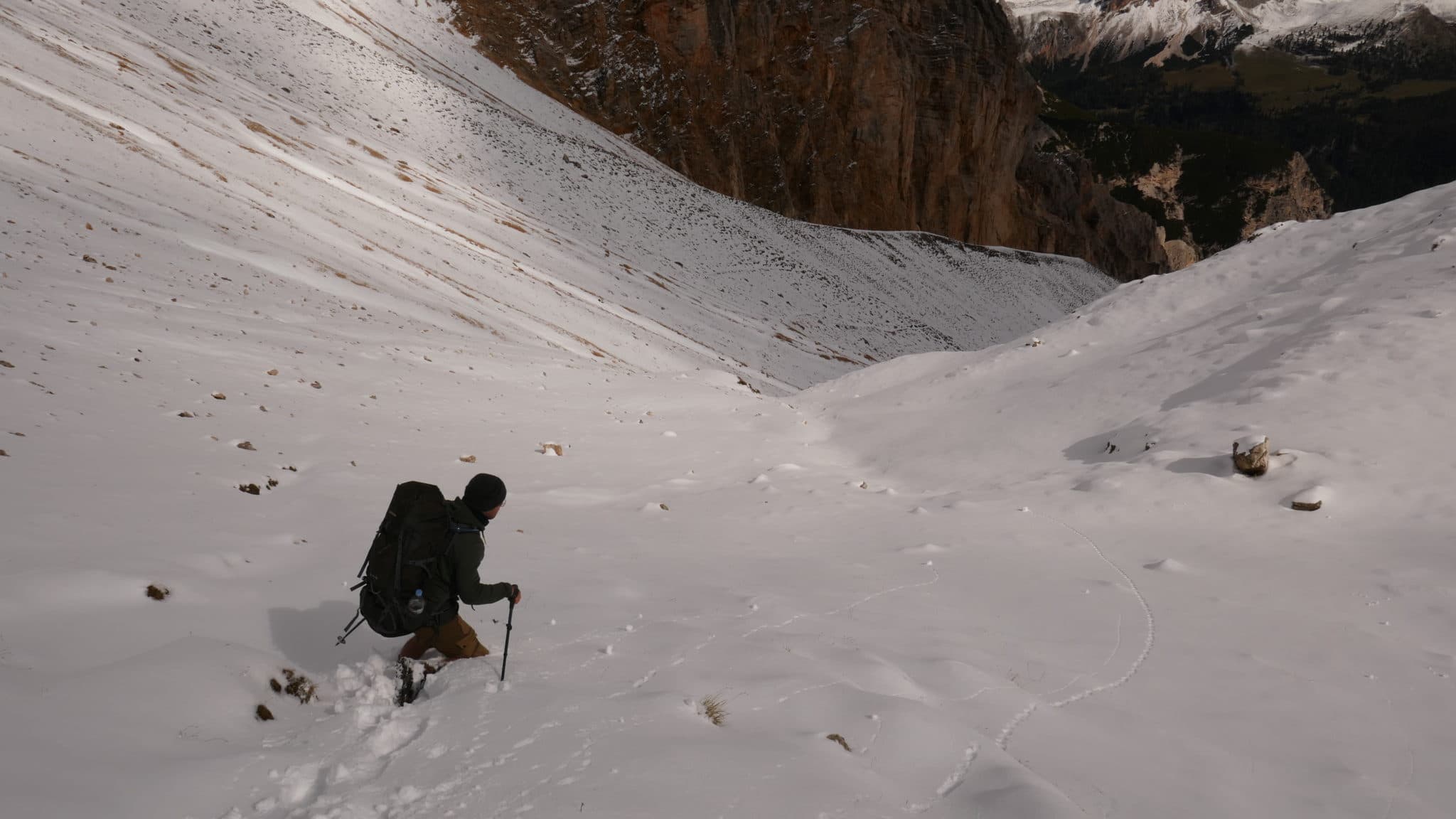
Most hikers layer on top and forget about their legs until the temperature drops and standing still becomes uncomfortable. Insulated hiking pants solve this problem efficiently: they add warmth without the bulk of thick base layers, and the best options are light enough to pack in a jacket pocket.
This covers the best insulated hiking pants across three use cases: active hiking in cold conditions, stop-start hiking with significant rest time, and high-altitude or winter use.
When Do You Actually Need Insulated Hiking Pants?
Regular hiking trousers plus a pair of thermal leggings works for most cold-weather day hikes, and a dedicated pair of winter hiking pants covers a lot of ground on its own. Insulated pants make more sense when:
You spend significant time at rest. Belays on climbing routes, summit stops, photography sessions, or waiting for conditions. Once you stop moving, heat loss from your legs accelerates quickly. Insulated pants maintain warmth without active exertion.
Temperatures drop below -5°C. Below this point, wind chill on standard hiking trousers creates meaningful heat loss from the legs even during moderate activity. A light insulated layer under a wind shell works well.
You're carrying a light pack. Ultralight hikers often sacrifice base layer bulk, which means less insulation at rest. An insulated trouser adds that warmth back without the weight of thick thermals.
Winter or alpine conditions. Any situation where you might be forced to bivouac unexpectedly, or where being caught stationary in bad weather is a real risk.
Down or Synthetic Fill?
Down fill provides the best warmth-to-weight ratio. 800+ fill-power down in a hiking trouser creates excellent warmth at minimal weight. The trade-off: down loses insulation value when wet. In wet conditions, synthetic fill or a treated down (Nikwax Hydrophobic, DownTek) performs better.
Synthetic fill maintains warmth when wet, dries faster, and costs less. The trade-off: heavier for equivalent warmth. For most hiking environments where you might encounter rain or snow, synthetic fill is the more practical choice.
Treated down (hydrophobic DWR coating applied to the down clusters) provides most of down's warmth advantage while improving wet-weather performance. Most premium brands now use treated down as standard. It's the best of both worlds.
Best Insulated Hiking Pants
Top Insulated Hiking Pants Compared
Patagonia Down Sweater Pants
$250
?Estimated price — check latest price on Amazon
Maximum warmth-to-weight for alpine stops and cold camps
Pros
- ✓800-fill recycled down provides excellent warmth
- ✓Compresses to a compact stuff sack
- ✓Full-length side zips for easy on/off over boots
- ✓DWR coating on shell fabric
Cons
- ✕Expensive at $250
- ✕Down loses loft if wet
Rab Xenon Pants
$130
?Estimated price — check latest price on Amazon
Wet conditions where synthetic fill is safer
Pros
- ✓Synthetic Stretchdown Pro fill performs when wet
- ✓Low bulk for synthetic insulation
- ✓Articulated knee gives good mobility
- ✓Elastic waist comfortable under harness
Cons
- ✕Heavier than equivalent down options
- ✕Less warm gram-for-gram than 800-fill down
Montbell Thermawrap Pants
$80
?Estimated price — check latest price on Amazon
Active hiking where breathability and low weight matter
Pros
- ✓Lightweight at around 180g
- ✓Breathable face fabric suitable for active hiking
- ✓Excellent packability
- ✓Good value for the warmth provided
Cons
- ✕Lighter insulation than Patagonia Down Sweater
- ✕Less durable shell fabric
Patagonia Down Sweater Pants: Best Warmth-to-Weight
The Patagonia Down Sweater Pants use 800-fill recycled down in a design that packs to the size of a water bottle. At around 230g, they're genuinely light for the warmth they provide.
The full-length side zips mean you can put these on over boots without removing footwear, which matters when you reach a cold summit and need insulation quickly. The DWR shell fabric handles light moisture without compromising the down immediately.
At $250 they're expensive. But for hikers who regularly spend time above treeline or in alpine conditions, a single insulated trouser that lasts 5-7 years with proper care justifies the cost.
Rab Xenon Pants: Best for Wet Conditions
The Rab Xenon Pants use Stretchdown Pro, a hybrid fill that uses a small percentage of stretch synthetic fibre mixed with down clusters. The result is a fill that compresses better than pure synthetic while maintaining loft when wet better than untreated down.
The Xenon Pants are the right choice for hiking environments where rain or snow is common and you want insulation you can trust regardless of conditions. The articulated knee and elastic waist accommodate a wide range of movement without restricting.
Montbell Thermawrap Pants: Best Lightweight Budget Option
Montbell's Thermawrap Pants have developed a following among gram-counters who need warmth at minimal weight. At around 180g they're lighter than either option above, which comes from using a thinner fill and lighter face fabric.
The trade-off in warmth means these work better as an active hiking layer than a static belay layer. For rest stops in temperatures above -5°C, they're excellent. For extended stationary time in serious cold, you need more fill than these provide.
How to Layer Insulated Pants
The standard cold-weather leg layering for hiking looks like this:
Base layer: Merino wool or synthetic thermal tights (100-200g weight). These wick moisture and provide a first insulation layer. If you want to understand why wool works so well in the cold, our guide to merino wool hiking shirts covers the same fibre.
Insulated mid-layer: Your insulated pants over the base layer. This is the layer you add and remove as temperature and activity level change.
Waterproof shell: Rain or waterproof trousers over the top in wet or very windy conditions. Our best cheap rain pants guide covers the shell layer options.
The key principle: remove the insulated layer before you start sweating, add it back before you stop. Insulation soaked with sweat loses its effectiveness. Learn to anticipate the temperature change and adjust proactively rather than reactively.
What to Avoid
Thick fleece trousers for active hiking. Pile fleece is warm and durable but bulk and breathability make it unsuitable for moving uphill. Fine for camp wear; less practical for trails.
Non-articulated knees. Straight-cut insulated pants restrict movement on steep terrain. Check for articulated knees (a shaped curve in the knee area that allows full knee flexion) before buying.
Heavy shell fabrics. Some insulated pants use a heavy, DWR-coated outer fabric that adds weight without proportional wind protection benefit. Lightweight ripstop nylon shell with a DWR coating is sufficient for most conditions.
Too long an inseam. Insulated pants drag in mud and wet grass unless they're cut slightly shorter at the ankle. Look for a design with adjustable cuffs or a half-elastic hem that keeps them off the ground.
The right insulated hiking pant depends on conditions and how you'll use it. For cold stops on high routes, a lightweight down option is the best warmth-per-gram investment. For wet climates, synthetic fill is more reliable. For active hiking in cold conditions, a breathable, articulated design like the Montbell Thermawrap hits the right balance.
Last updated on June 21, 2026.

Jasper Baetens
Hiking enthusiast from Belgium, mainly active in Europe. Created HikeHeaven to share experiences, research, tips, tricks and product recommendations, or simply to help other hikers.