Best Waterproof Hiking Gloves for Cold and Wet Trails
Find the best waterproof hiking gloves for cold, wet conditions. Covers membranes, insulation levels, top picks from budget to premium, and care tips.

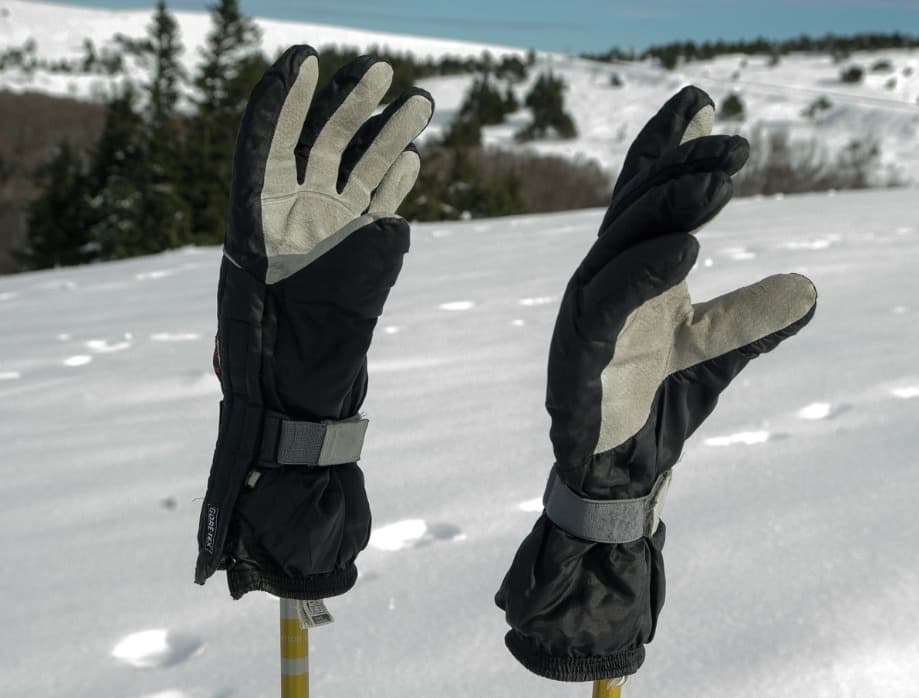
Cold, wet hands are more than uncomfortable. They slow your reactions, make it harder to operate zips and buckles, and on exposed terrain in winter, they become a genuine safety issue. Getting the right waterproof hiking gloves before you head out matters more than most hikers realise.
The market runs from thin shell gloves designed for aerobic use in light rain to expedition mitts built for sustained sub-zero conditions. This guide cuts through the categories to help you pick the right pair for how and where you actually hike.
Waterproof vs Water-Resistant: The Practical Difference
Glove manufacturers use both terms, sometimes interchangeably, which causes real confusion at the point of purchase.
A water-resistant glove uses a DWR (durable water repellent) coating applied to the outer fabric. It sheds light rain and drizzle well, but given sustained precipitation or immersion, water eventually soaks through. These gloves are often more breathable and packable, which makes them popular for aerobic activities in variable conditions.
A waterproof glove includes a membrane, typically Gore-Tex, Sealskinz, or a proprietary equivalent, that physically blocks water from penetrating the fabric. Done properly, you can plunge a waterproofed glove into a puddle and pull it out dry inside. The trade-off is reduced breathability: your hands sweat more during hard uphill efforts.
Insulation Levels: Matching the Glove to the Conditions
Gloves broadly divide into three insulation categories. Knowing which one you need before you buy prevents you from arriving at the trailhead under- or over-dressed for your hands.
Shell Gloves (Uninsulated)
Shell gloves are a waterproof outer layer with minimal or no insulation. The idea is that you wear a thin liner glove underneath, giving you a flexible system you can adapt to changing temperatures.
They work well for active hiking in cool, wet conditions where you're generating body heat. The low bulk means better dexterity at the cuffs and fingers. On a demanding day hike in autumn rain, a shell glove over a merino liner is often more comfortable than a single insulated waterproof glove.
The limitation is obvious: without a liner, they're cold. Shell gloves are a system component, not a standalone solution.
Lightly Insulated Waterproof Gloves
These are the everyday winter hiking glove for most people. They combine a waterproof membrane with a modest insulation layer, typically synthetic fill or a thin fleece inner, that keeps your hands comfortable from around 0°C down to about -10°C depending on your activity level.
This is the category where the Outdoor Research Extravert (~£45) and similar mid-range options live. You get enough warmth for a full day on a winter trail without the bulk of expedition mitts. Dexterity is reasonable: you can adjust your pack straps, use your phone, and manage layers without taking the gloves off.
Expedition Mitts
Mitts group your fingers together instead of separating them, which dramatically increases warmth but sacrifices dexterity. Expedition mitts add heavy insulation, usually a combination of synthetic and down fill, and are built for genuinely cold conditions, typically sustained sub-zero temperatures in wind.
For most UK winter hiking, three-season alpinism, or a week in Scandinavia, you may never need them. For Scottish winter climbing, high-altitude trekking, or any route where frostbite is a real risk, mitts are non-negotiable. Many experienced winter walkers carry a pair of mitts as emergency backup even when they expect to use insulated gloves throughout the day.
Best Waterproof Hiking Gloves: Top Picks
Waterproof Hiking Gloves Across Price Points
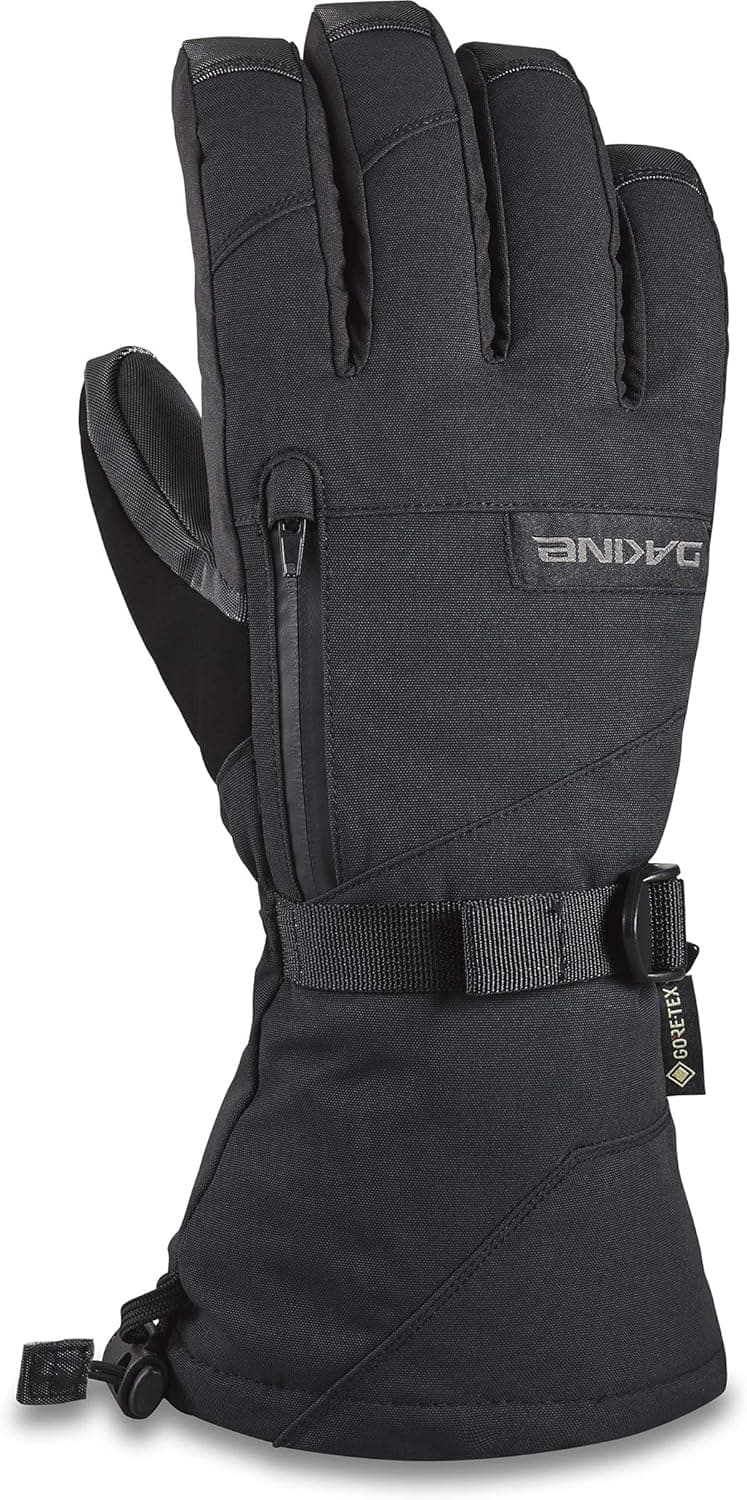
Dakine Titan GORE-TEX Gloves
~$55
?Estimated price — check latest price on Amazon
Cold, wet winter day hikes
Pros
- ✓GORE-TEX insert keeps hands dry in sustained rain and wet snow
- ✓Synthetic insulation gives reliable warmth on cold days
- ✓Touchscreen-friendly fingertips let you use your phone without bare hands
- ✓Gauntlet cuff seals over jacket sleeves
Cons
- ✕Bulkier than thin shell gloves
- ✕Dexterity is reduced compared to lighter options
- ✕Insulation can feel warm during hard uphill efforts
Outdoor Research Extravert
~£45
?Estimated price — check latest price on Amazon
Active day hiking in cold and wet conditions
Pros
- ✓Lightweight and packable for the warmth they provide
- ✓Good dexterity for an insulated waterproof glove
- ✓Gore-Tex insert with reliable waterproofing
- ✓Trim fit works well under jacket cuffs
Cons
- ✕Thinner cuff than guide-style gloves
- ✕Less durable outer fabric on abrasive surfaces
Marmot Randonnee
~£60
?Estimated price — check latest price on Amazon
Cold-weather trekking and ski touring approaches
Pros
- ✓MemBrain waterproof membrane with good breathability
- ✓Removable fleece liner gives a two-glove system
- ✓Pre-curved construction reduces hand fatigue
- ✓Solid warmth down to around -15°C with liner
Cons
- ✕Premium price for a non-Gore-Tex membrane
- ✕Liner dexterity limited when worn alone
Waterproof Membranes: Gore-Tex, Sealskinz, and Proprietary Options
Gore-Tex
Gore-Tex is the benchmark. It's used across price ranges, from ~£40 entry-level options to £150+ alpine gloves, and delivers consistent, proven waterproofing. Gore-Tex Infinium is a softshell-style variant that prioritises breathability over full waterproofing. For serious wet conditions, look for Gore-Tex or Gore-Tex Extended Comfort on the label.
Sealskinz
Sealskinz builds its own waterproof gloves and socks using a three-layer construction with a proprietary membrane. The advantage is that their gloves are designed around the membrane from the start, rather than fitting a Gore-Tex layer into an existing design. Sealskinz gloves tend to be affordable and genuinely waterproof, though breathability is modest.
Proprietary Membranes
Marmot's MemBrain and Outdoor Research's proprietary waterproof insert both perform well in practice. The honest difference from Gore-Tex is mainly about longevity and brand backing rather than day-one performance. Gore-Tex's partnership guarantee means the brand is accountable for failures. Proprietary membranes can delaminate or fail earlier, though at lower price points, replacement cost is lower too.
Fit and Dexterity: Why Getting This Right Matters
A glove that's too warm is not a minor inconvenience. Overheating hands sweat heavily, which soaks the inner lining of even waterproof gloves. Once the insulation is wet from sweat, it loses loft and effectiveness. You end up colder than if you'd worn a lighter glove.
Size matters more in gloves than almost any other piece of kit. A glove with too much room at the fingers traps cold air and reduces the tactile feedback you need on exposed scrambles. Too tight and you restrict circulation, which is the fastest route to cold fingers regardless of insulation.
Try gloves on with any liner you plan to wear underneath. Many hikers find gloves from outdoor brands run narrow compared to workwear gloves, which can help women or hikers with slender hands but cause problems for wider hands.
For anything beyond walking on a clear path, dexterity matters. If you're managing a map, operating a GPS, snapping your pack buckles, or setting up camp, thick expedition mitts become frustrating quickly. Test the finger mobility before you buy. If you can't pinch two fingers together clearly, the gloves are too thick for most trail navigation tasks.
Care and Maintenance
Waterproof gloves require a bit more attention than a standard pair of trail gloves, but the process is straightforward.
Drying after use: Turn gloves inside out after a wet day and allow them to dry at room temperature. Forced heat from radiators or campfire proximity degrades the waterproof membrane faster than regular use. A liner worn inside can be removed and dried separately to speed up the process.
DWR restoration: The outer fabric of waterproof gloves is treated with DWR, just like a waterproof hiking jacket. When water stops beading on the surface, DWR has degraded. Hand wash the gloves with Nikwax Glove Proof and tumble dry on low. This restores the outer face's ability to shed water rather than saturating and becoming heavy. The underlying membrane remains waterproof even when DWR fails, but a saturated outer fabric makes gloves cold and heavy.
Storage: Store gloves fully dry in a breathable bag. Damp gloves stored in a stuff sack grow mildew, which degrades fabric faster and creates an unpleasant smell that is difficult to remove.
Pair your gloves with appropriate insulation layers for the rest of your body. For cold weather hiking tips, read the guide to best insulated hiking pants and pick up the full cold-weather system rather than just upgrading your hands. And if you're looking for a gift for someone who hikes, gloves are one of the most practical options in the gift ideas for hikers guide.
The right pair of waterproof hiking gloves keeps your hands functional in conditions where unprotected hands would lose dexterity within minutes. For most hikers, a lightly insulated waterproof glove in the £40-60 range covers the vast majority of situations. Pair them with a thin liner and you have a system that works from autumn through to hard winter days. And pair them with a solid waterproof rain jacket and you'll stay genuinely comfortable in wet weather from head to hands.
Last updated on June 21, 2026.

Jasper Baetens
Hiking enthusiast from Belgium, mainly active in Europe. Created HikeHeaven to share experiences, research, tips, tricks and product recommendations, or simply to help other hikers.