Best Ultralight 4-Season Tents for Alpine and Winter Use
The best ultralight 4-season tents for alpine and winter use, from a 1.36kg minimalist dome to the storm-proof option for when the forecast turns.

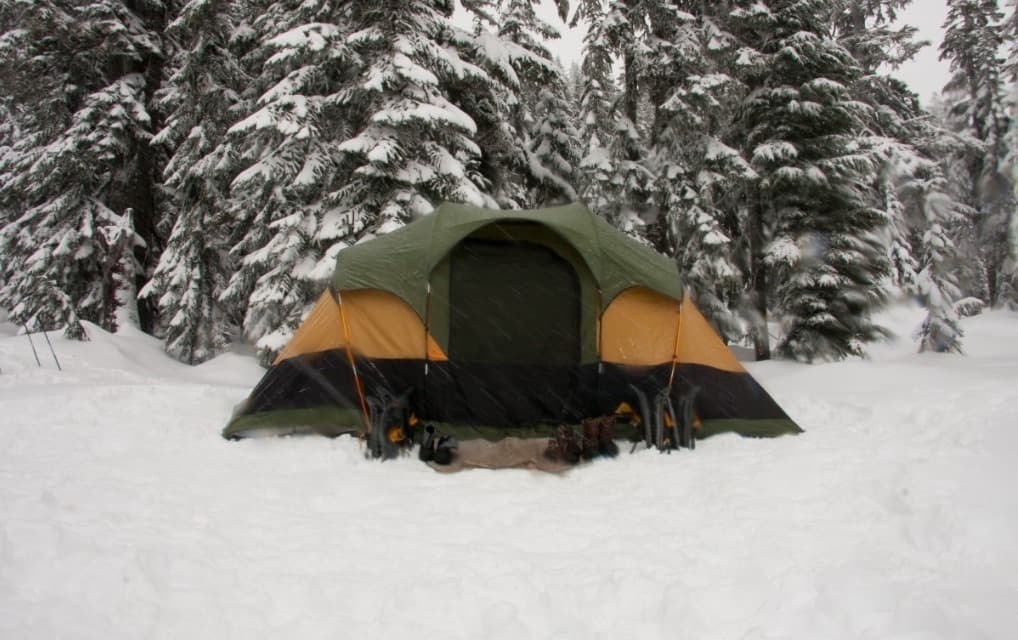
Finding the best ultralight 4 season tent means solving a tricky problem: it has to handle snow loading, high winds, and freezing temperatures while staying light enough to carry on a multi-day route. That's harder than it sounds. Most camping tents fold in serious alpine conditions, and most expedition tents weigh 3-5kg. The sweet spot between capability and weight is narrow, but it exists.
These are the ultralight 4-season options worth considering for hikers who venture into genuine winter or high-alpine conditions without wanting to carry expedition-grade weight.
What Defines a True 4-Season Tent?
Marketing has diluted the term. Some "4-season" tents are simply 3-season tents with thicker fabric or fewer mesh panels. A genuine 4-season tent has specific structural features that matter in harsh conditions:
Pole architecture: More poles, or stronger poles, that create a dome or geodesic geometry capable of handling snow loading from multiple directions. A single-pole tunnel tent is light but vulnerable to crosswind loading. A geodesic design transfers stress through multiple pole intersections.
No mesh inner: A full-fabric inner (rather than mesh) provides insulation and prevents spindrift from entering in high winds. Some semi-4-season designs use minimal mesh, which is a compromise.
Snow anchoring system: Guylines attached at multiple points and designed for snow anchoring (wide V-shaped stakes or dedicated snow pickets). Tent pegs don't work in snow; deadman anchoring from the guylines is the alternative.
Vestibule capacity: A large vestibule to stow wet, snowy gear outside the inner tent. In winter, your outer shell, boots, and crampons can't go inside the sleeping area.
Weight Versus Protection: The Trade-Off
Ultralight and 4-season create tension as design goals. Carbon fibre poles reduce weight but are more brittle in very cold temperatures (carbon fibre becomes more brittle below -20°C). Aluminium poles handle cold better but weigh more. Silnylon fabrics are lighter than silpoly but stretch more when wet, which affects snow loading performance.
The realistic target weight for a capable ultralight 4-season tent in the 2-person category is 1.2-1.8kg. Below 1kg, compromises start to affect genuine 4-season performance. Above 2kg, you're approaching standard expedition territory and the "ultralight" label loses meaning.
Best Ultralight 4-Season Tents
MSR Access 2: Best All-Round Option
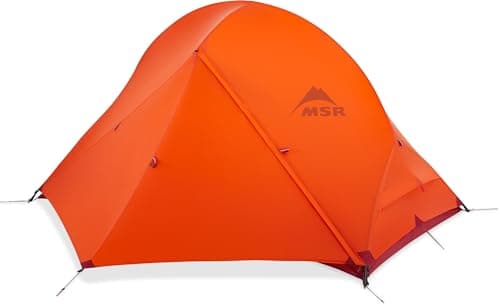
The MSR Access 2 sits at around 1.5kg, which puts it in genuine ultralight territory for a 4-season tent. The three-pole semi-geodesic design handles snow loading well, and the full-fabric inner (no mesh) provides insulation and blocks spindrift effectively.
The Xtreme Shield polyester fly is durable, holds tension in cold temperatures (no sagging), and resists moisture absorption. Two large vestibules provide adequate gear storage. The liveable interior is 2.7m², which works for two people in conditions where you'll be spending extended time inside during storms.
At around $600, the Access 2 is expensive. But it covers the full range from late-season alpine trips through genuine winter use, making it a versatile single purchase.
Specs: Weight: 1.5kg | Floor area: 2.7m² | Poles: 3 (aluminium) | Vestibules: 2
Black Diamond Firstlight 2P: Best Under 1.5kg
Black Diamond's Firstlight 2P hits 1.36kg with its twin-pole geodesic dome. It's a genuinely capable 4-season design at a weight usually associated with 3-season tents. The compromise is the single vestibule and slightly reduced floor area (2.5m²) compared to the Access 2.
The geodesic pole geometry (X-shaped crossing) provides good snow loading resistance in all directions. No mesh is used in the inner, and the fly comes close to the ground to block windblown snow. For solo mountaineers or two-person teams prioritising minimum weight, this is the most compelling option.
Specs: Weight: 1.36kg | Floor area: 2.5m² | Poles: 2 (aluminium) | Vestibule: 1
Nemo Kunai 3P: Best for Three-Season to Winter Transition
The Nemo Kunai fits hikers who want a tent that handles most 4-season conditions but also functions as a pleasant 3-season tent rather than feeling like a dedicated winter tool. The larger 3.7m² floor area makes it comfortable when weather pins you inside for hours.
At 2kg, it's at the upper limit of what most hikers would call ultralight. But the larger footprint and comfort features (low profile doors, multiple internal pockets) make it the best choice for extended winter basecamp use where weight is less critical than comfort.
Specs: Weight: 2.0kg | Floor area: 3.7m² | Poles: 3 (aluminium) | Vestibules: 2
When Ultralight Isn't Enough: Hilleberg Allak 2
Everything above respects the 1.2 to 1.8kg bracket. Sometimes the forecast doesn't care about your bracket.
The Hilleberg Allak 2 weighs 2.8kg before you add pegs, which by the standard set earlier in this guide disqualifies it from the ultralight label entirely. It earns its place here anyway, because it solves the one problem the lighter tents can't. It's a fully freestanding dome with three poles crossing at multiple points, so it holds its shape under wind from any direction and under snow load that would have you out clearing the canopy hourly in a lighter shelter.
The outer is Kerlon 1200, a triple silicone-coated 30D ripstop nylon rated to 15,000mm, and the inner and fly pitch together as one unit. That last detail sounds minor until you've done it in a gale with numb hands. Two vestibules give you somewhere to leave boots and crampons, and Hilleberg backs the tent with a lifetime warranty against defects.
At $1,385 it costs more than twice the MSR Access 2. This is not the tent for a cold weekend in the hills. It's the tent for a week on a glacier, a winter traverse where retreating isn't simple, or any trip where being pinned down for 48 hours is a realistic outcome rather than bad luck. If that describes your season, the extra 1.2kg buys you the ability to sit it out.
Specs: Weight: 2.8kg (minimum trail) | Floor area: 2.9m² | Poles: 3 (aluminium) | Vestibules: 2
Ultralight 4-Season Tents Compared
Pros
- ✓True 4-season capability with semi-geodesic design
- ✓Full-fabric inner blocks spindrift
- ✓Two large vestibules for gear storage
- ✓Xtreme Shield fabric holds shape in cold
Cons
- ✕Expensive at $600
- ✕Heavier than Black Diamond Firstlight at 1.5kg
Black Diamond Firstlight 2P
$450
?Estimated price — check Amazon for the latest price
Weight-priority alpine and winter use
Pros
- ✓Lightest genuine 4-season option at 1.36kg
- ✓Geodesic dome handles omnidirectional snow loading
- ✓No mesh inner, minimal spindrift entry
- ✓Lower price point than MSR
Cons
- ✕Single vestibule only
- ✕Smaller interior than Access 2
Nemo Kunai 3P
$700
?Estimated price — check Amazon for the latest price
Winter basecamps where comfort beats grams
Pros
- ✓Largest floor area here at 3.7m²
- ✓Comfortable enough for long storm days inside
- ✓Works as a pleasant 3-season tent too
- ✓Two vestibules
Cons
- ✕Heaviest of the ultralight picks at 2.0kg
- ✕Sold direct rather than on Amazon
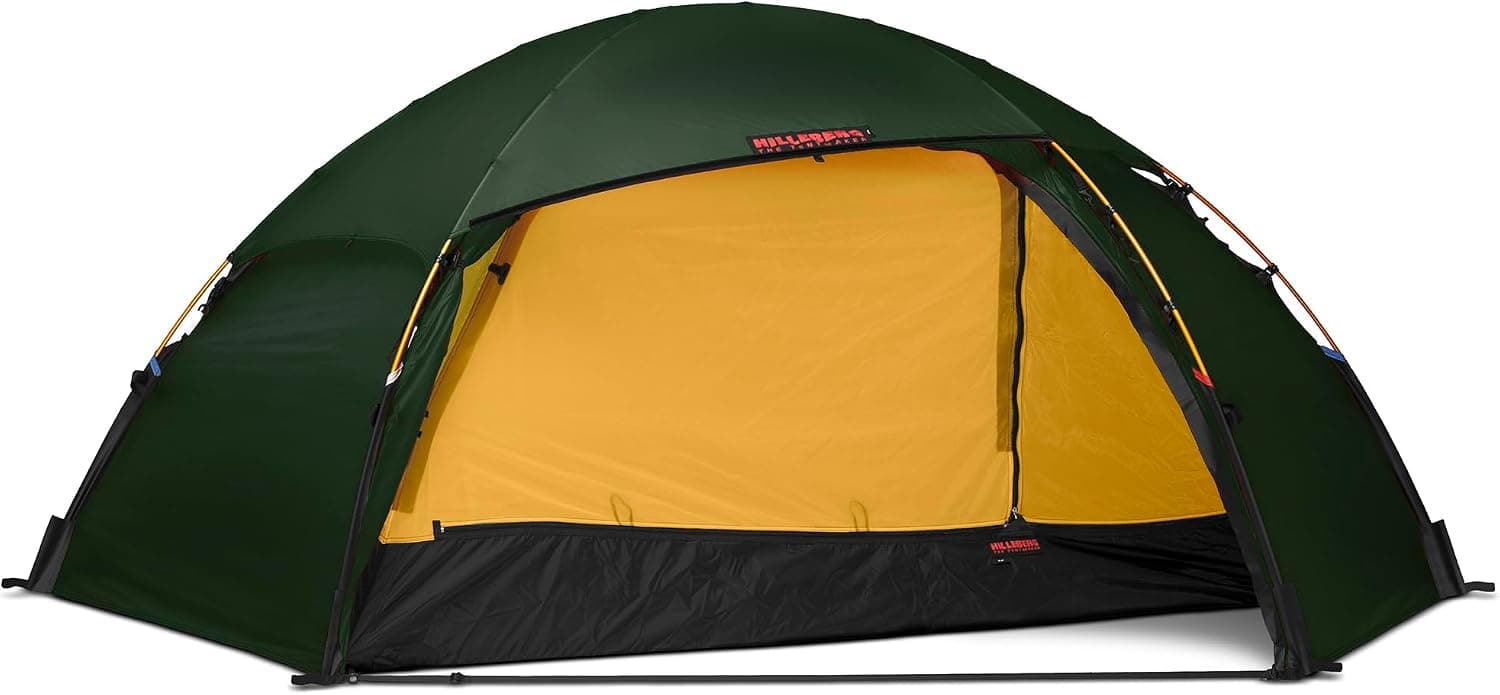
Hilleberg Allak 2
$1385
?Estimated price — check latest price on Amazon
Sustained storms and trips where retreat is not simple
Pros
- ✓Freestanding dome holds wind from any direction
- ✓Kerlon 1200 outer rated to 15,000mm
- ✓Inner and fly pitch together in one go
- ✓Lifetime warranty against defects
Cons
- ✕At 2.8kg it sits outside the ultralight bracket
- ✕Costs more than twice the MSR Access 2
How to Pitch in Snow and Wind
Cold-weather tent setup requires technique adjustments even with a quality 4-season tent:
Site selection matters more than gear. A tent pitched behind a natural windbreak (a ridge, large boulder, or snow wall you've built) reduces wind load far more than any pole geometry improvement. Spend 5-10 minutes finding the best spot rather than just pitching where you stop.
Anchor the fly first. In wind, clip the fly to the windward pole tip and stretch it out into the wind before clipping remaining attachment points. A loose fly in high wind is dangerous for both the tent and you.
Deadman anchors for snow. Fill a stuff sack with snow and bury it horizontally as a deadman anchor for guylines. A tent peg pushed into soft snow provides almost no holding strength; a buried deadman provides 10-20x more.
Pitch low. If your tent allows height adjustment through pole tension, pitch it low in high wind. A lower profile reduces the wind surface area significantly.
If you're considering trekking pole tents as a lighter alternative for 3-season use before upgrading to a 4-season design, our best trekking pole tents guide covers the trade-offs in that category. A capable tent is only half the winter setup, so pair it with one of the best insulated sleeping pads to stop the cold ground sapping your warmth overnight.
The decision between ultralight and 4-season capability gets easier as gear has improved. The MSR Access 2 and Black Diamond Firstlight now offer genuine alpine performance at weights that would have been considered ultralight 3-season territory a decade ago. If you're regularly moving into winter or high-alpine conditions, the investment in a proper 4-season tent is worth making once rather than learning its limits in the field.
Last updated on June 21, 2026.

Jasper Baetens
Hiking enthusiast from Belgium, mainly active in Europe. Created HikeHeaven to share experiences, research, tips, tricks and recommend products — or simply to help other hikers.