Best Hiking Seat Pads for Trail Comfort
Compare the best hiking seat pads, from foam to inflatable. Find your ideal trail cushion with honest specs, weights, and real-world pros and cons.


A good seat pad turns a cold boulder into a comfortable lunch spot. The best hiking seat pads weigh almost nothing, pack flat, and insulate you from whatever surface you're sitting on. After testing foam, inflatable, and hybrid options on everything from granite ledges to soggy grass, here are the ones that actually earned their place in my pack.
Quick Comparison: Top Seat Pads
Best Hiking Seat Pads Compared

Therm-a-Rest Z-Seat
$18
?Estimated price — check latest price on Amazon
Best overall, ultralight classic
Pros
- ✓Only 57 g, nearly weightless
- ✓Closed-cell foam insulates from cold ground
- ✓Accordion fold packs flat against your back
- ✓Lifetime warranty from Therm-a-Rest
Cons
- ✕Thin at 1.9 cm, limited cushion on hard surfaces
- ✕Can crease and deform over time
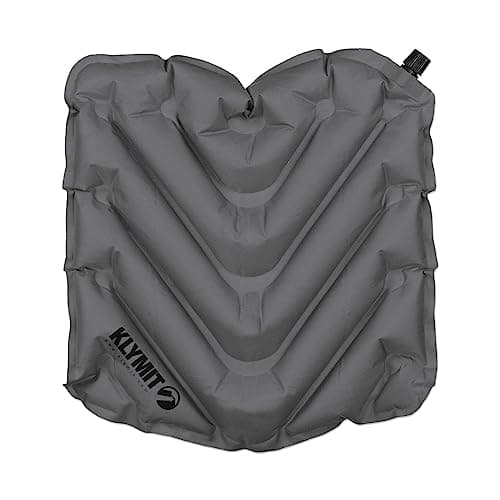
Pros
- ✓Inflatable design offers superior cushioning
- ✓Only 49 g before inflation
- ✓V-chamber pattern prevents sliding
- ✓Packs smaller than a fist
Cons
- ✕Requires inflation (10-15 seconds)
- ✕Puncture risk on sharp rock
Pros
- ✓Dual-density foam for warmth and comfort
- ✓Thermal mirror on one side reflects body heat
- ✓Accordion fold with integrated attachment points
- ✓No inflation needed
Cons
- ✕Heavier than the Z-Seat at 74 g
- ✕Slightly bulkier when folded
Best Hiking Seat Pads in Detail
Therm-a-Rest Z-Seat, Best Overall
The Therm-a-Rest Z-Seat is the seat pad that started it all, and it remains the default choice for ultralight hikers. At 57 g (2 oz) it adds virtually no weight to your pack. You'll forget it's there until you need it.
Key specs:
- Weight: 57 g (2 oz)
- Dimensions: 41 cm x 33 cm (unfolded)
- Thickness: 1.9 cm
- Material: Closed-cell foam
- Warranty: Lifetime
The accordion-fold design lies flat against your back panel or slides into a side pocket. Closed-cell foam won't absorb water, so you can set it down on a wet log without a second thought. The insulation works both ways too. On cold rock, it keeps your body heat from draining into the ground. On sun-baked surfaces, it prevents discomfort from the heat radiating upward.
The main limitation is cushioning. At 1.9 cm thick, the Z-Seat takes the edge off hard surfaces but doesn't eliminate pressure points entirely. If you're sitting on flat granite for 20 minutes, you'll feel the rock. Over time, the foam also develops permanent creases at the fold lines, though this doesn't affect function.
Klymit V Seat, Best Inflatable Option
The Klymit V Seat takes a different approach. Instead of foam, it uses an inflatable air chamber with Klymit's signature V-shaped baffles. The result is noticeably more comfortable than any foam pad, with better cushioning on uneven terrain.
Key specs:
- Weight: 49 g (1.7 oz) uninflated
- Dimensions: 38 cm x 30 cm
- Packed size: Roughly the size of a tennis ball
- Material: 75D polyester
- Inflation: 10-15 seconds by mouth
At 49 g uninflated, it's actually lighter than the Z-Seat. The packed size is smaller too. When deflated, you can stuff it into a jacket pocket without noticing the bulk.
The V-chamber pattern does more than look distinctive. It cradles your weight and prevents you from sliding on angled surfaces, which is genuinely useful on sloped ground or uneven logs. Comfort-wise, it's a clear step above foam pads, particularly on rocky terrain.
The obvious downside is durability. An inflatable pad on rough ground carries puncture risk. Klymit includes a repair kit, and the 75D polyester is tougher than it looks, but you'll want to check the surface before sitting. Sharp gravel or thorns can end your lunch break early.
Nemo Switchback Seat, Best for Cold Weather
The Nemo Switchback Seat is built on the same dual-density foam and thermal mirror technology as Nemo's popular Switchback sleeping pad. One side features a reflective thermal film that bounces body heat back toward you. In cold conditions, this makes a noticeable difference.
Key specs:
- Weight: 74 g (2.6 oz)
- Dimensions: 40 cm x 33 cm
- Thickness: 2.3 cm
- Material: Dual-density closed-cell foam with thermal mirror
- Fold: Accordion-style
The extra thickness (2.3 cm versus the Z-Seat's 1.9 cm) provides marginally better cushioning, though you shouldn't expect a dramatic difference. Where the Nemo really pulls ahead is insulation. On a frozen log or snow-covered rock, the thermal mirror side keeps you warm enough to sit comfortably for a proper break.
The trade-off is weight and bulk. At 74 g it's 30% heavier than the Z-Seat, and the folded dimensions are slightly larger. For three-season hiking where cold ground isn't a factor, the Z-Seat is the simpler choice. But if you regularly hike in winter or at altitude, the Switchback earns its extra grams.
Gossamer Gear Nightlight, Best Dual-Purpose Option
The Gossamer Gear Nightlight is technically a sleeping pad, but many ultralight hikers use it as an oversized seat pad or cut a section to create a custom sit pad. It's a smart approach if you want one piece of gear doing two jobs. If you're shopping for proper overnight comfort too, our guide to the best sleeping pads covers full-length options in more detail.
Key specs:
- Weight: 68 g (full torso-length pad)
- Dimensions: 51 cm x 96.5 cm (torso length)
- Thickness: 0.6 cm (1/4 inch)
- Material: Closed-cell foam
The Nightlight is thin, just 0.6 cm, so it won't win any cushioning contests. Its primary role is insulation and moisture protection. Folded in thirds, it creates a multi-layer seat that performs well on cold or wet ground. Cut to seat-pad size, it weighs under 30 g.
This is a niche pick. If you already carry a Nightlight as a sleeping pad supplement, you have a built-in seat pad. If you're buying specifically for sitting comfort, the Z-Seat or Klymit V Seat are better dedicated options.
Foam vs. Inflatable Seat Pads
Choosing between foam and inflatable comes down to your priorities.
Foam pads (Z-Seat, Nemo Switchback) are bombproof. You can sit on thorns, gravel, or sharp rock without worrying about punctures. They're always ready, no inflation required, and they insulate well from cold surfaces. The downside is limited cushioning and slightly more bulk.
Inflatable pads (Klymit V Seat) offer superior comfort with a smaller packed size. They compress to almost nothing in your pack. But they need inflation, carry puncture risk, and provide less ground insulation than closed-cell foam.
For most hikers, foam is the practical choice. It's simpler, more durable, and the weight difference is negligible. Choose inflatable if comfort on hard surfaces is your top priority and you're careful about where you sit.
What to Look For in a Hiking Seat Pad
Weight matters, but only to a point. Every pad on this list weighs under 75 g. The difference between the lightest (Klymit V Seat, 49 g) and heaviest (Nemo Switchback, 74 g) is 25 g. That's barely noticeable in a loaded pack. Don't sacrifice comfort or insulation to save the weight of a few coins.
Insulation is the real value. Most hikers buy a seat pad for comfort, but insulation delivers more practical benefit. Sitting on cold rock or frozen ground pulls heat from your body fast. A closed-cell foam pad with even modest insulation makes rest breaks genuinely restorative instead of chilling.
Durability separates foam from inflatable. If you hike in rough terrain with sharp rock and thorns, foam pads are the safer bet. Inflatables offer more comfort but introduce a failure point.
Size and fold pattern affect packability. Accordion-fold pads (Z-Seat, Nemo Switchback) lie flat and integrate well with pack back panels. The Klymit V Seat stuffs into any pocket. Consider where you'll carry it, not just how much it weighs.
Seat Pad Packing Suggestions
Ultralight Day Hike Setup
- Therm-a-Rest Z-SeatEssential
57 g, slides behind the back panel of your pack
- Sit spot checkEssential
Quick visual scan for sharp objects before sitting
49 g inflatable if you prefer more cushion
- Repair patch
Only needed if carrying an inflatable pad
If you're looking for more substantial seating options for camp, check out our roundup of the best cheap camping chairs, which covers everything from full-size chairs to ultralight stools.
Frequently Asked Questions
A seat pad is one of those small items that makes a disproportionate difference on trail. For most hikers, the Therm-a-Rest Z-Seat is the right call. It's light, durable, and does everything a seat pad needs to do. If comfort on rock is your priority, try the Klymit V Seat. And for cold-weather hikers, the Nemo Switchback Seat with its thermal mirror earns the small weight premium.
Last updated on June 21, 2026.

Jasper Baetens
Hiking enthusiast from Belgium, mainly active in Europe. Created HikeHeaven to share experiences, research, tips, tricks and product recommendations, or simply to help other hikers.