Best Hiking Meals: Trail Food for Every Trip Length
From day hike packed lunches to multi-day expedition food: the best hiking meals by calorie density, weight, and taste with real product recommendations.

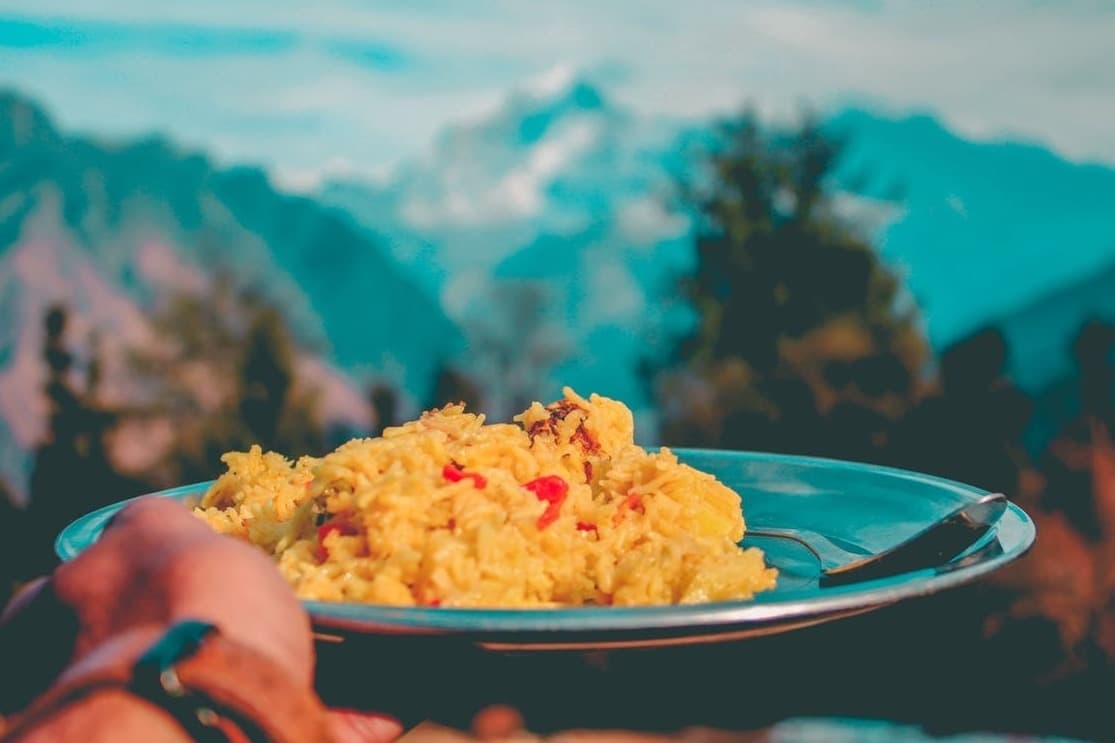
Food is fuel on the trail, and the wrong food makes everything harder. Too heavy and your pack punishes you. Too few calories and you bonk halfway up a ridge. Too complicated and you're cooking in the dark with wet hands. The best hiking meals are the ones that deliver enough energy, don't weigh much, and are actually worth eating after a long day.
How Much Food Do You Need?
Before working out what to eat, you need a number: how many calories per day are you burning? On an average hiking day covering 15 to 20 km with moderate elevation gain, most adults burn between 400 and 600 calories per hour of active hiking. Over an eight-hour day, that's roughly 3,200 to 4,800 calories, plus your base metabolic rate of 1,500 to 2,000 calories.
A practical working number for multi-day backpacking is 3,500 to 4,500 calories per day. You can manage on less for short trips, but multi-day calorie deficits compound into fatigue that affects your safety and enjoyment.
For a detailed breakdown of how terrain, pack weight, and elevation affect your calorie burn, read our guide on how many calories you burn hiking.
Calorie Density: The Key Metric
Calorie density is the number of calories per 100 g of food. It determines how much weight you carry for the fuel you get.
| Calorie density | Examples |
|---|---|
| Below 200 kcal/100g | Fresh fruit, most vegetables, ready meals |
| 200-350 kcal/100g | Bread, rice, oats, pasta |
| 350-500 kcal/100g | Freeze-dried meals (rehydrated), cheese, dried fruit |
| 500-600 kcal/100g | Freeze-dried meals (dry weight), nuts, chocolate |
| 600+ kcal/100g | Olive oil (900), peanut butter, hard cheeses |
For multi-day backpacking, you want most of your food sitting at 400 to 600 kcal/100g. Fresh vegetables and sandwiches are fine for day hikes but impractical for a week in the mountains. Freeze-dried meals, nuts, and dense carbohydrates are the building blocks of a functional multi-day food plan.
Adding olive oil or peanut butter to meals is the most efficient way to increase calorie density without increasing pack weight significantly.
Day Hike Food
For trips under a day, weight is a secondary concern. The priority is palatability and convenience. You want food you'll actually eat when you're moving.
Good day hike foods:
- Sandwiches or wraps with protein filling (chicken, cheese, nut butter)
- Boiled eggs (1-2 per person)
- Fresh fruit (apple, banana, orange)
- Nuts and dried fruit mix
- Flapjacks, energy bars, or homemade oat balls
- Pre-made pasta or grain salad in a container
Avoid foods that soften badly in a pack (crackers), require cutlery you haven't brought (soups), or melt into a sticky mess (chocolate bars in summer). Wraps hold up better than bread over a long hiking day.
How much you pack depends partly on how long you'll be out, so check our guide on how many miles you can hike in a day before you portion up.
Multi-Day Backpacking Meals
Over multiple days, food planning becomes more systematic. You're managing calorie density, weight, variety, and preparation time. A simple framework: plan breakfast, lunch, dinner, and snacks separately, then check the total weight.
For a week-long backpacking trip at 700 g of food per person per day (a reasonable target at 450-500 kcal/100g average), you'd carry 4.9 kg of food. That's a meaningful chunk of your pack weight and worth optimising.
Breakfast
Breakfast needs to be fast and calorie-dense. You're often packing up camp and want to be moving within 30 to 45 minutes of waking.
Oats are the benchmark. 80 g of oats with 20 g of powdered milk, 30 g of nuts, and 20 g of dried fruit gives you around 600 calories in a 150 g package. Add boiling water, wait three minutes, eat. It's hard to improve on this for efficiency.
DIY granola bags work similarly. Mix oats, nuts, seeds, coconut flakes, and dried fruit at home and portion into daily bags. Add powdered milk and cold soak if you want to skip the stove.
Instant coffee sachets add negligible weight and significant morale. Take more than you think you need.
For expeditions where stove fuel is limited or weight is critical, cold-soaking oats the night before in a sealed jar works well. Pour in cold water at camp, sleep, breakfast is ready in the morning.
Lunch
Lunch on the trail is typically eaten on the move or during a brief rest. Hot food isn't practical unless you stop long enough to boil water, which most people don't on walking days.
Tortillas are the multi-day backpacker's best friend. They're calorie-dense, flexible (literally and figuratively), don't go stale as fast as bread, and work with almost any filling. Pack one tortilla per person per lunch.
Fillings to combine with tortillas:
- Peanut butter and honey (high calorie, no refrigeration needed)
- Hard cheese (keeps 3 to 4 days unrefrigerated in cool conditions)
- Salami or chorizo (cured meat keeps well without refrigeration)
- Tuna sachets (not tins, sachets are lighter and you don't need a spoon)
- Hummus (single-serve packs keep for a couple of days unopened)
Supplement with a handful of trail mix, an energy bar, and something with electrolytes if it's hot.
Dinner
Dinner is where most backpackers invest in comfort. After a long day, a decent hot meal dramatically improves morale and helps you sleep better. This is where freeze-dried meals earn their price premium.
Freeze-dried meals are the easiest multi-day dinner solution. You boil water, pour it into the bag, seal it and wait 8 to 12 minutes, then eat directly from the bag. No washing up. Weights range from 80 g to 150 g per portion (dry), delivering 400 to 650 calories.
The Mountain House Classic Bucket is worth knowing about for base camp and car camping situations. It contains 29 individual meal pouches across six varieties at a cost-per-meal that significantly undercuts buying pouches individually. Not ideal for carrying on multi-day routes (too bulky), but brilliant for a family camping weekend or as a cache at a base camp.
Firepot meals are made from real whole ingredients, slow-cooked and freeze-dried rather than assembled from processed components. The difference in taste is noticeable. Varieties like Moroccan Chicken and Dal with Rice taste like actual food rather than hydrated powder. They're more expensive than budget freeze-dried options, but on a five-day trip the morale value of good-tasting dinners is measurable.
DIY pasta dinners are the classic budget alternative. Dried pasta or ramen, olive oil or powdered cheese, dried herbs, and optionally a tuna sachet or small piece of hard cheese. Total weight per portion: around 120 to 150 g. Total cost: under £1.50. The taste ceiling is lower than freeze-dried meals, but the savings over a week are substantial.
Instant mashed potato is another reliable option. Add a sachet of olive oil or butter powder, some dried herbs, and reconstituted dried milk, and you have a warm, carb-dense dinner for minimal effort and cost.
Snacks
Snacks keep your energy level stable between meals and are the most important food category on days with significant elevation gain. The goal is something with fast-releasing and slow-releasing energy that you can eat while walking.
Reliable trail snacks:
- Trail mix (nuts, seeds, dried fruit, dark chocolate chips): 550-600 kcal/100g
- Energy bars with protein: look for at least 15 g protein per bar, around 350-400 kcal total
- Jerky: 250-300 kcal/100g, high protein
- Hard cheese portions: 400 kcal/100g
- Dates: 280 kcal/100g, fast energy
For protein specifically on longer efforts, the Fuel for Fire packs are fruit and protein puree in a squeezable pouch format. They're convenient on the move, require no preparation, and deliver around 10 g of protein per pack. Some people find the texture odd at first, but they're practical for mid-hike protein intake without stopping to prepare food.
Best Hiking Meals: Freeze-Dried vs Homemade vs Supermarket
All three approaches have a place depending on your trip length, budget, and priorities.
Freeze-dried meals are convenient and reliable. Consistent prep time, known calorie counts, no spoilage risk. The cost per meal is high (£7 to £15 per dinner portion), but the convenience is real. Best for longer trips, international travel, or routes where resupply is impossible.
Homemade dehydrated food requires investment in a food dehydrator but gives you complete control over ingredients and costs. Dehydrated pasta sauce, rice meals, and stews made at home weigh similarly to commercial freeze-dried options and cost a fraction of the price. The prep time at home is significant, but for regular long-distance hiking, it pays off quickly.
Supermarket food is underrated for trips of up to three or four days. Instant oats, tortillas, cured meats, hard cheeses, nuts, dried fruit, pasta, instant mash, and ramen are all available at any supermarket for far less than outdoor shop prices. For UK weekend backpacking, a supermarket food plan is perfectly practical.
Cooking Systems and What They Mean for Your Food Choices
Your cooking system shapes your menu. A canister stove (Jetboil, MSR PocketRocket) boils water in two to three minutes and suits any food requiring only boiling water. An alcohol stove is lighter but slower, better for foods that need long soak times. A wood gasifier stove needs no fuel to carry but takes longer to set up and is banned in many fire-risk areas.
Cold-soaking (carrying no stove at all) is the lightest option. Foods like instant oats, couscous, and some ramen rehydrate adequately in cold water given enough time. Many ultralight hikers eat entirely cold-soaked for trips under a week.
Some hikers considering extended fasting or intermittent fasting approaches on trail might find our piece on fasting while hiking useful context for food planning on longer efforts.
Sample 3-Day Meal Plan
3-Day Backpacking Food Plan (Per Person)
- Day 1-3 Breakfasts: Oat sachets
80g oats, 20g powdered milk, 30g nuts, 20g dried fruit per day. Approx 600 kcal, 150g packed
- Day 1-3 Lunches: Tortilla wraps
2 tortillas with peanut butter + honey or hard cheese + salami. Approx 550 kcal, 130g per day
- Day 1: Dinner
Firepot meal or homemade pasta with olive oil and tuna sachet. 450-600 kcal
- Day 2: Dinner
Ramen with added peanut butter, soy sauce, and sesame oil for calories. 500 kcal
- Day 3: Dinner
Instant mash with olive oil sachet, dried herbs, and hard cheese. 450 kcal
- Snacks (all days)
100g trail mix, 1 energy bar, 1 protein pack per day. Approx 600-700 kcal, 160g
Frequently Asked Questions
Good trail food is personal. Some people want the simplest possible system and eat the same thing every day for a week. Others find real enjoyment in planning interesting meals and cooking properly at camp. Both approaches work, provided the calories are there. Start with a baseline system, track what you actually enjoy eating after big days, and refine from there.
Last updated on June 21, 2026.

Jasper Baetens
Hiking enthusiast from Belgium, mainly active in Europe. Created HikeHeaven to share experiences, research, tips, tricks and recommend products — or simply to help other hikers.