Best Cheap Softshell Jackets for Hiking Under £100
The best cheap softshell jackets for hiking under £100. Covers what softshell does well, when hardshell is better, and which budget picks offer real value.


A cheap softshell jacket for hiking is often the most useful layer you own for mixed-weather days. Not a full waterproof shell, not a fleece, but something in between: stretchy, wind-resistant, breathable on uphills, and capable of shrugging off a light shower. For the majority of spring, autumn, and even mild winter hiking, it's the jacket you'll actually reach for.
The challenge is that "softshell" gets applied to a wide range of garments, from genuinely windproof and DWR-treated kit to what is essentially stretchy fleece with a face fabric. This guide explains what a proper cheap softshell jacket for hiking should do, and which options under £100 deliver real performance on the trail.
What Is a Softshell Jacket?
A softshell jacket is a category defined by what it trades off rather than what it maximises. It gives up full waterproofing in exchange for stretch, breathability, and a more comfortable wearing experience during active hiking.
The typical construction is a bonded two-layer fabric with a face fabric that is tightly woven for wind resistance and DWR-coated to shed light rain, backed by a fleece or soft interior for warmth and comfort against skin. Some softshells add a stretch panel at the back or underarms for freedom of movement on scrambles.
The result is a jacket that performs better than a fleece in wind and light rain, and better than a hardshell in breathability during sustained aerobic effort. It's not better than a hardshell in heavy rain. It's not warmer than a heavily insulated mid-layer. It's genuinely useful in the significant middle ground between those conditions.
Softshell vs Hardshell: When Each Is Right
The comparison isn't really about which is better. It's about what conditions you're hiking in and how hard you're working.
A hardshell waterproof jacket, like The North Face Venture 2 (~£100) at the budget end of the hardshell category, keeps water out reliably in heavy, sustained rain. The membrane-based waterproofing works under backpack pressure and in weather that would defeat a DWR-only softshell within an hour. The cost is breathability: even a well-vented hardshell accumulates sweat faster than a softshell during hard uphill efforts.
A softshell matches the effort. On a steep trail, aerobic output is high and body heat is generated quickly. A softshell jacket allows moisture vapour to escape fast enough that you don't overheat or build up significant sweat load. In the same conditions, a hardshell requires pit zips or full open venting to prevent the same problem.
The practical answer for most hikers: own both, and use the right one for the day. On a dry but cold and windy day, the softshell. On a day forecast with significant rain, the hardshell. On a mixed day with possible showers but mostly active hiking, the softshell with the hardshell in the pack. If you're looking to pair your softshell with waterproof legwear, our best cheap rain pants guide covers the options under £60.
Best Cheap Softshell Jackets Under £100
Best Cheap Softshell Jackets for Hiking
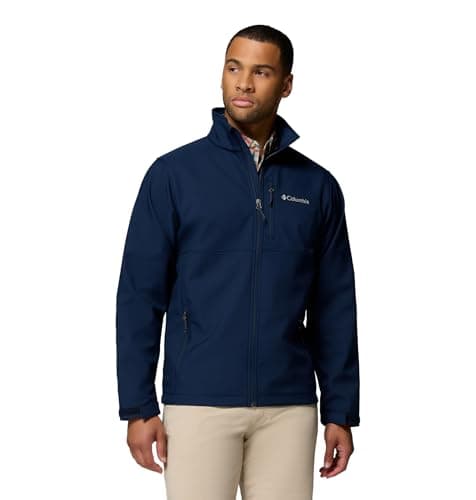
Columbia Ascender Softshell
~£65
?Estimated price — check latest price on Amazon
Casual hiking and cool-weather trail walking
Pros
- ✓Wind resistant and DWR treated for light rain
- ✓Soft fleece interior comfortable against skin
- ✓Relaxed fit works over mid-layers
- ✓Consistently available around £65 on sale
Cons
- ✕Limited stretch compared to premium softshells
- ✕DWR coating degrades faster than higher-end fabrics
- ✕No pit zips for venting on hard efforts
The North Face Canyonlands
~£80
?Estimated price — check latest price on Amazon
Active hiking in mixed, non-torrential conditions
Pros
- ✓Better stretch than Columbia at a similar price point
- ✓TNF's FlashDry fabric manages sweat reasonably well
- ✓Multiple pocket configuration including internal fleece pocket
- ✓Regular sale pricing brings it comfortably under £100
Cons
- ✕Cut runs slightly slim for layering over thicker mid-layers
- ✕Face fabric is thinner than some competitors in this range
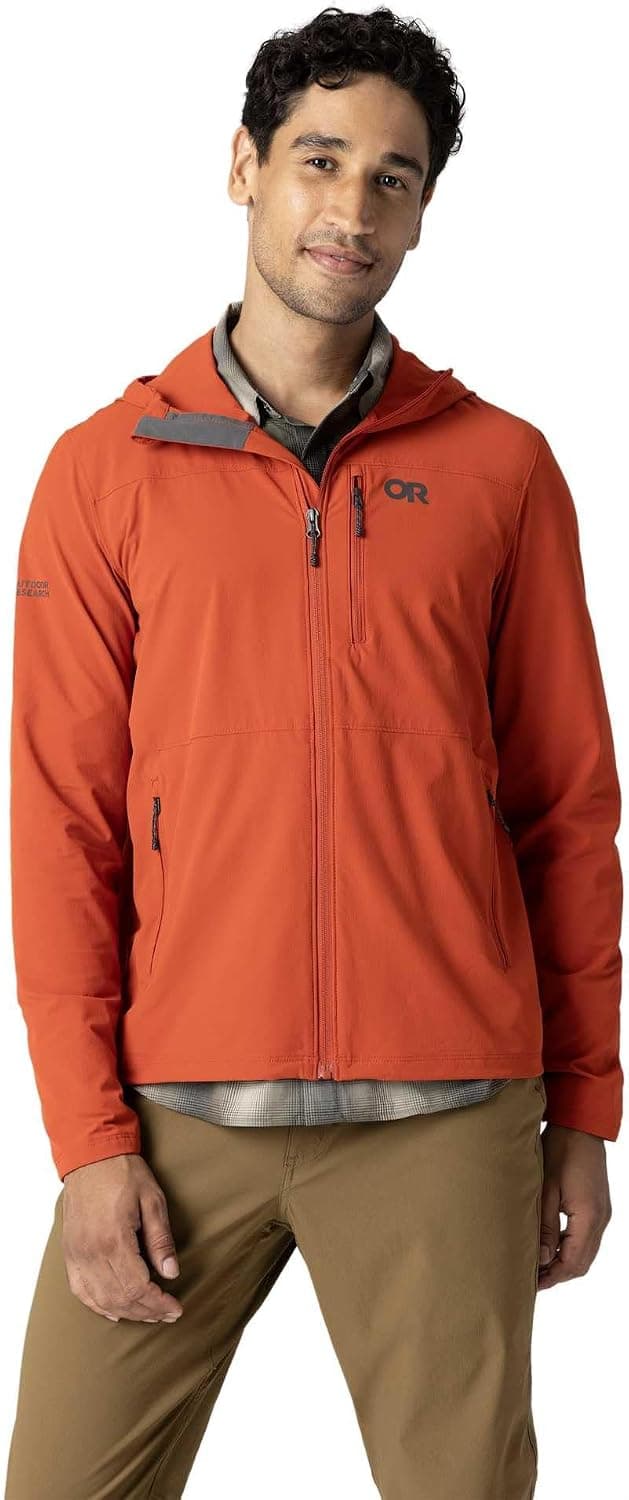
Outdoor Research Ferrosi
~£100 on sale
?Estimated price — check latest price on Amazon
Active hiking and scrambling on mixed terrain
Pros
- ✓Excellent stretch for scrambling and technical movement
- ✓Pertex Equilibrium face fabric handles light rain well
- ✓Pit zips aid venting on steep terrain
- ✓Available under £100 regularly through sales
Cons
- ✕Lighter insulation than heavier softshells in this category
- ✕Pricing can drift above £100 at full retail
Key Features to Look for in a Hiking Softshell
Stretch panels: The best cheap softshell jackets for hiking incorporate stretch fabric either throughout the body or at least in the underarms and back panel. Stretch matters when you're scrambling, reaching for a handhold, or simply moving a loaded pack off your shoulders. A stiff face fabric limits movement and becomes irritating on a full day out.
DWR treatment: Not all DWR coatings are equal. Look for a PFC-free DWR from the point of purchase (fluorocarbon-based DWR still appears on older stock) and check whether the brand offers guidance on restoring DWR after it degrades. Nikwax Softshell Proof works across most softshell fabrics and restores water-beading performance after washing.
Pit zips: Under-arm ventilation zips make a bigger practical difference than most hikers expect. On a sustained climb, the ability to vent without opening the main zip or taking the jacket off keeps you comfortable without losing wind protection. Many cheap softshell jackets skip pit zips to reduce cost. If you're buying one for active hiking rather than casual use, look for them.
Pocket configuration: At minimum, two hand pockets and a chest or internal pocket. Pockets accessible with a hip belt on are important if you're wearing a backpack. Many budget softshells position hand pockets too high to access with a hip belt in place.
Hood or no hood: A hood adds versatility in sudden showers and wind. Some softshell buyers prefer a hood-free design for cleaner aesthetics and less material to manage when not in use. Check whether a hood is rollable or removable if you want the option.
When a Softshell Isn't Enough
A softshell jacket handles most hiking conditions in the UK and temperate climates well. There are clear situations where it isn't the right primary layer.
Sustained heavy rain: After 30-45 minutes of heavy rain, even a well-treated softshell face fabric wets out. The garment gets heavier, colder, and the loft from any inner fleece compresses and loses its insulating properties. In a downpour, you need a hardshell.
Exposed winter conditions: In Scottish winter, Scandinavian conditions, or above treeline in genuine cold wind-driven rain, a softshell doesn't provide adequate protection. The combination of wind, wet, and cold demands a proper waterproof membrane. A DWR coating is not a membrane.
High-intensity use in warm conditions: A softshell designed for cool weather can be too warm for summer hiking in moderate temperatures. If you're generating significant body heat and the day is mild, a softshell that would be perfect in October becomes uncomfortable in July.
For those higher-demand conditions, read our best waterproof hiking jackets guide, our best 10,000mm waterproof jackets breakdown, and for serious all-day mountain rain, the best 20,000mm waterproof jackets guide. And on colder days, pair your jacket system with waterproof hiking gloves and good hiking pants to complete the system.
A cheap softshell jacket for hiking fills a gap in most hikers' kit that neither a fleece nor a waterproof jacket covers well. For active hiking in the kind of mixed weather that makes up most British and alpine days, a jacket in the £65-100 range from Columbia, TNF, or Outdoor Research gives you the breathability and wind resistance to stay comfortable without the cost or bulk of a full hardshell system.
Last updated on June 21, 2026.

Jasper Baetens
Hiking enthusiast from Belgium, mainly active in Europe. Created HikeHeaven to share experiences, research, tips, tricks and product recommendations, or simply to help other hikers.