Best 20,000 mm Waterproof Jackets for Hiking
Three tried-and-tested jackets rated above 20,000 mm, from budget Gore-Tex to premium ultralight. Find the right shell for heavy rain.

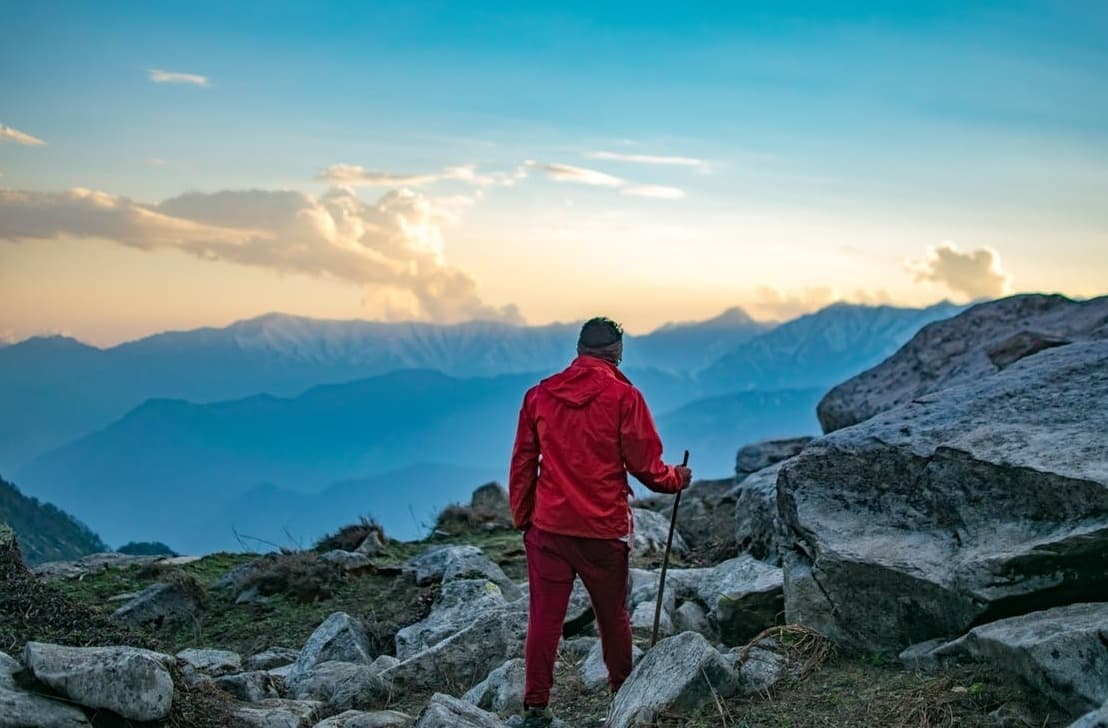
If you hike in places where rain arrives sideways and stays for hours, the best 20,000 mm waterproof jacket is the minimum you should consider. Lower-rated shells handle drizzle just fine. If you're unsure whether you need 20k or whether a 10k jacket would do, our 10,000mm waterproof jackets guide covers the best options in that more affordable category. But for sustained downpours, heavy wind-driven rain, and backpack strap pressure, you want a fabric that truly resists water penetration. Here are three jackets that meet (or exceed) the 20,000 mm hydrostatic head threshold, each suited to a different kind of hiker.
Quick Picks
Before the full breakdown, here's a summary of each jacket and who it suits best:
- Best overall value: Outdoor Research Foray II, reliable Gore-Tex Paclite at a fair price
- Best premium lightweight: Arc'teryx Beta SL, lighter build and refined fit, if budget allows
- Best breathability: Outdoor Research Foray 3L, AscentShell Dry membrane for high-output hiking
What Does 20,000 mm Waterproof Mean?
Waterproof ratings are measured by hydrostatic head (HH), the height of a water column a fabric can support before moisture seeps through. For the full picture, see waterproof ratings explained. A 20,000 mm rating means the material held up against a 20-metre column of water in laboratory testing.
The higher the number, the more water pressure the fabric can withstand before leaking. Backpack shoulder straps, for instance, press the fabric against your body and amplify the effective pressure. That's why a jacket that feels waterproof without a pack can sometimes wet out under a heavy load. The extra force pushes water through a lower-rated membrane.
For serious hiking in wet climates like the Scottish Highlands, Norway, or the Pacific Northwest, 20,000 mm is where confidence begins.
The 3 Best 20,000 mm+ Waterproof Jackets
Top 3 Waterproof Jackets Compared
Pros
- ✓28,000 mm hydrostatic head with Gore-Tex Paclite
- ✓Solid durability for the price
- ✓TorsoFlo side-zip ventilation
- ✓Comfortable fit with room for layering
Cons
- ✕Heavier than ultralight competitors
- ✕Breathability is adequate, not exceptional
Pros
- ✓28,000 mm hydrostatic head with Gore-Tex Paclite
- ✓Noticeably lighter than the Foray
- ✓Clean, athletic fit
- ✓Excellent build quality and trim details
Cons
- ✕Significantly more expensive
- ✕Slim fit may not suit all body types
Pros
- ✓AscentShell Dry 3L membrane: stretchy, quiet, and highly breathable
- ✓100% recycled nylon with mechanical stretch
- ✓TorsoFlo side-zip ventilation
- ✓Nikwax Direct.Dry DWR: durable and PFC-free
Cons
- ✕Heavier than the 2L Foray II at 434g
- ✕Higher price for AscentShell technology
Outdoor Research Foray II: Best Overall Value
The Outdoor Research Foray II uses a Gore-Tex Paclite membrane with a 28,000 mm hydrostatic head and 15,000 g/m²/24h moisture vapour transmission rate (MVTR). That puts it comfortably above the 20,000 mm threshold, with enough breathability to handle steady hiking in cool conditions.
What sets the Foray II apart from competing Gore-Tex shells is its TorsoFlo side-zip ventilation, full-length zips along the torso that dump heat far more effectively than standard pit zips. On steep climbs, this feature makes a genuine difference in comfort.
The fit is relaxed enough for layering a fleece or lightweight insulated jacket underneath, and the hood adjusts easily with a single pull. Build quality is typical Outdoor Research: robust without being overbuilt. At 311g, the Foray II is a lightweight 2-layer shell that packs down small.
The trade-off? The 2-layer Paclite construction is less durable against abrasion than a 3-layer shell. If you carry a heavy pack with rough shoulder straps, the inner lining can wear over time. But for general hiking and backpacking, it offers the best balance of protection, features, and price in this lineup.
Key specs:
- Waterproof: 28,000 mm HH
- Breathability: 15,000 g/m²/24h MVTR
- Membrane: Gore-Tex Paclite (2L)
- Weight: 311g
- Available for men and women (women's version: Outdoor Research Aspire II)
Arc'teryx Beta SL: Best Premium Lightweight
The Arc'teryx Beta SL matches the Foray's 28,000 mm hydrostatic head and 15,000 MVTR, since both use Gore-Tex Paclite, but delivers those numbers in a noticeably lighter, trimmer package.
Arc'teryx's pattern cutting and seam construction are a step above most competitors. The jacket sits close without feeling restrictive, and the hood works brilliantly with a helmet or on its own. Zips glide smoothly, the hem cinch is one-handed, and the overall feel is refined in a way that's hard to quantify but immediately noticeable when you put it on.
The downside is straightforward: price. The Beta SL typically costs around $350, roughly 75% more than the Foray for the same waterproof membrane. You're paying for lighter weight, superior fit, and Arc'teryx's construction quality. Whether those justify the premium depends entirely on your priorities and budget.
Key specs:
- Waterproof: 28,000 mm HH
- Breathability: 15,000 g/m²/24h MVTR
- Membrane: Gore-Tex Paclite
- Available for men and women
Outdoor Research Foray 3L: Best Breathability
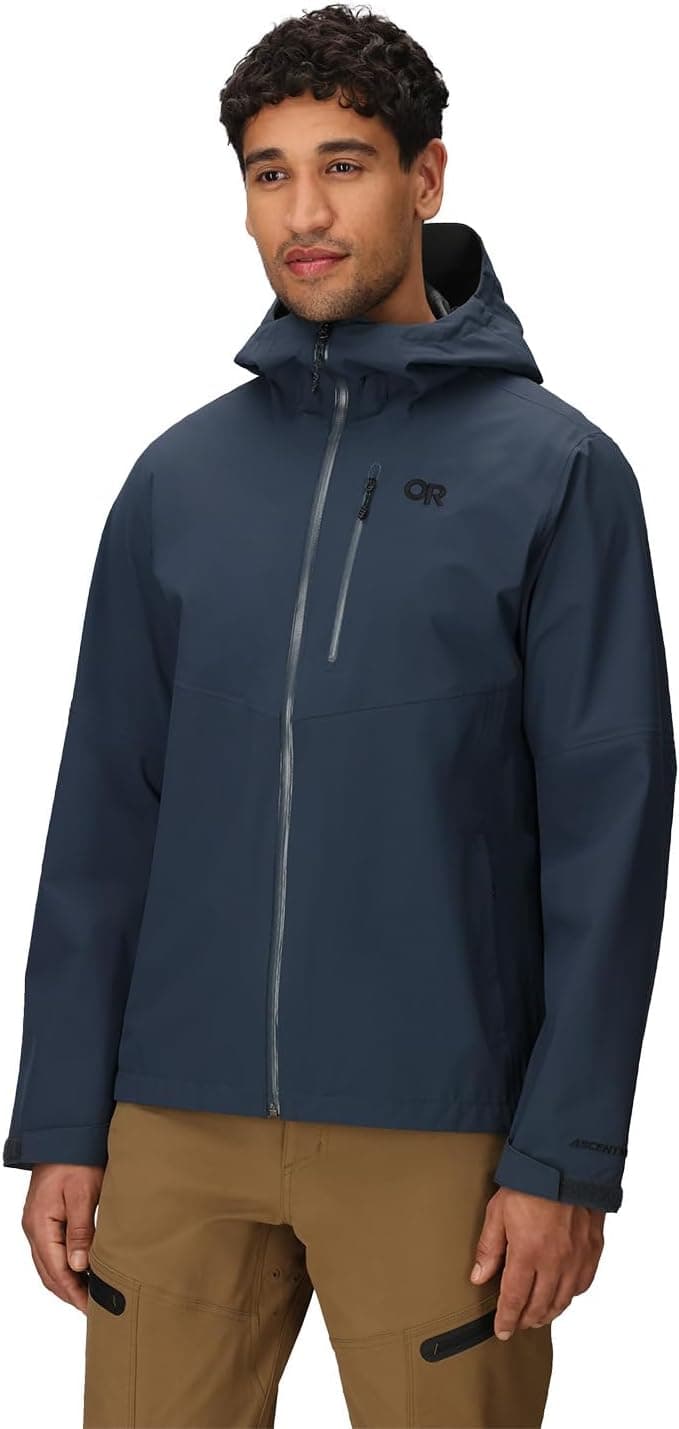
The Outdoor Research Foray 3L takes a fundamentally different approach from its Gore-Tex sibling. Instead of Paclite, it uses Outdoor Research's proprietary AscentShell Dry membrane in a full 3-layer construction, which prioritises breathability and stretch above all else.
The AscentShell Dry membrane is an air-permeable waterproof barrier, meaning it allows air to pass through the fabric rather than relying solely on vapour diffusion. The result is noticeably better moisture management during high-output activities. If you run hot during steep climbs, or you hike at a fast pace where sweat management matters more than absolute waterproofing, the Foray 3L is the clear pick.
The 3-layer construction with mechanical stretch feels closer to a softshell than a traditional hard shell. It moves with you, produces minimal crinkle noise, and the TorsoFlo venting (shared with the Foray II) provides an additional heat dump on steep ascents.
The Foray 3L also uses an exclusive Nikwax Direct.Dry DWR coating that is PFC-free and more durable than conventional DWR treatments. Combined with 100% recycled nylon, it's one of the more sustainable options in this category.
Key specs:
- Membrane: AscentShell Dry (3L)
- Weight: 434g
- DWR: Nikwax Direct.Dry (PFC-free)
- Available for men and women (women's version: Outdoor Research Aspire 3L)
How to Choose the Right Jacket
Picking between these three comes down to two questions: how heavy is the rain you typically face, and how hard are you working in it?
Heavy rain, moderate pace
Choose the Outdoor Research Foray II. The 28,000 mm Gore-Tex Paclite membrane handles sustained downpours with confidence, and the TorsoFlo venting compensates for the membrane's moderate breathability. At around $225, it's hard to beat for straightforward wet-weather protection.
Heavy rain, weight-conscious
Choose the Arc'teryx Beta SL. Same Gore-Tex Paclite protection as the Foray II in a lighter, more refined package. The extra cost buys you reduced weight and a more athletic fit, worthwhile if you cover long distances or care about pack weight.
Moderate rain, high output
Choose the Outdoor Research Foray 3L. The air-permeable AscentShell Dry membrane prevents the clammy, overheated feeling that plagues less breathable shells on steep terrain. The 3-layer stretch construction moves with you during intense effort.
What to Wear Under Your Waterproof
- Merino base layerEssential
Regulates temperature and manages moisture better than synthetics in cool, wet conditions
- Lightweight fleece or grid midlayerEssential
Adds warmth without trapping excessive moisture against your skin
- Buff or neck gaiter
Seals the gap between collar and neck to prevent rain entry
- Waterproof trousers
Complete the system: a dry torso means little if your legs are soaked
Caring for Your Waterproof Jacket
Even the best membrane degrades over time if you neglect maintenance. The DWR (Durable Water Repellent) coating on the outer fabric is the first line of defence. When it fails, the outer layer absorbs water instead of beading it off, and the jacket feels clammy even though the membrane itself isn't leaking.
Wash your jacket every 10 to 15 days of use with a specialist cleaner like Nikwax Tech Wash. Regular detergent leaves residue that impairs DWR. After washing, tumble dry on low heat for 20 minutes, since the warmth reactivates the DWR coating.
If water stops beading on the outer fabric even after washing, apply a fresh DWR treatment. Nikwax TX.Direct or Grangers Performance Repel work well as spray-on or wash-in options. The same care routine applies to the rest of your kit, so it's worth reading our guide to waterproof hiking jackets if you want to build out a full wet-weather system.
Frequently Asked Questions
Last updated on June 21, 2026.

Jasper Baetens
Hiking enthusiast from Belgium, mainly active in Europe. Created HikeHeaven to share experiences, research, tips, tricks and product recommendations, or simply to help other hikers.